e_header.jpg)

25 to 28 June 2022
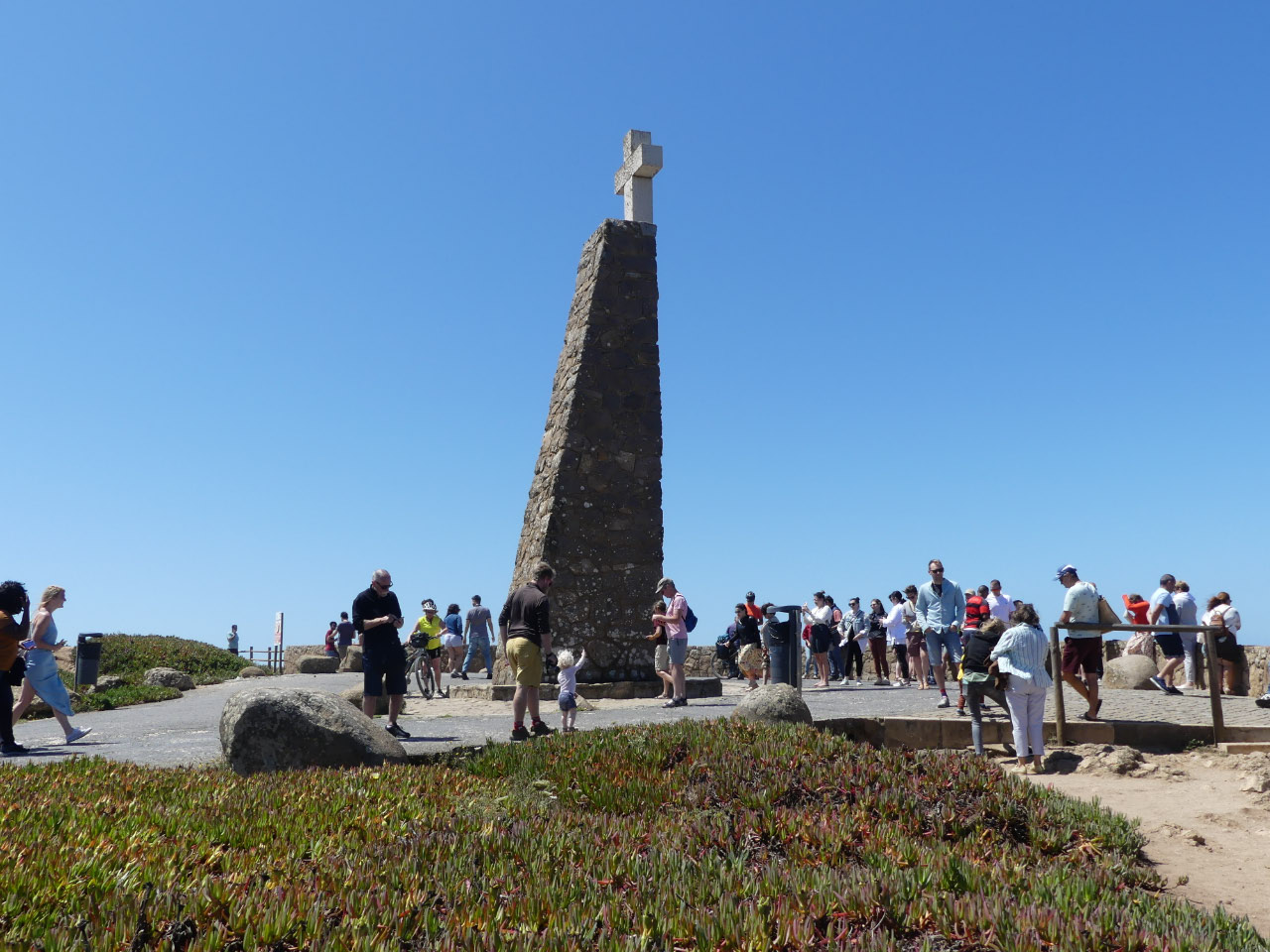
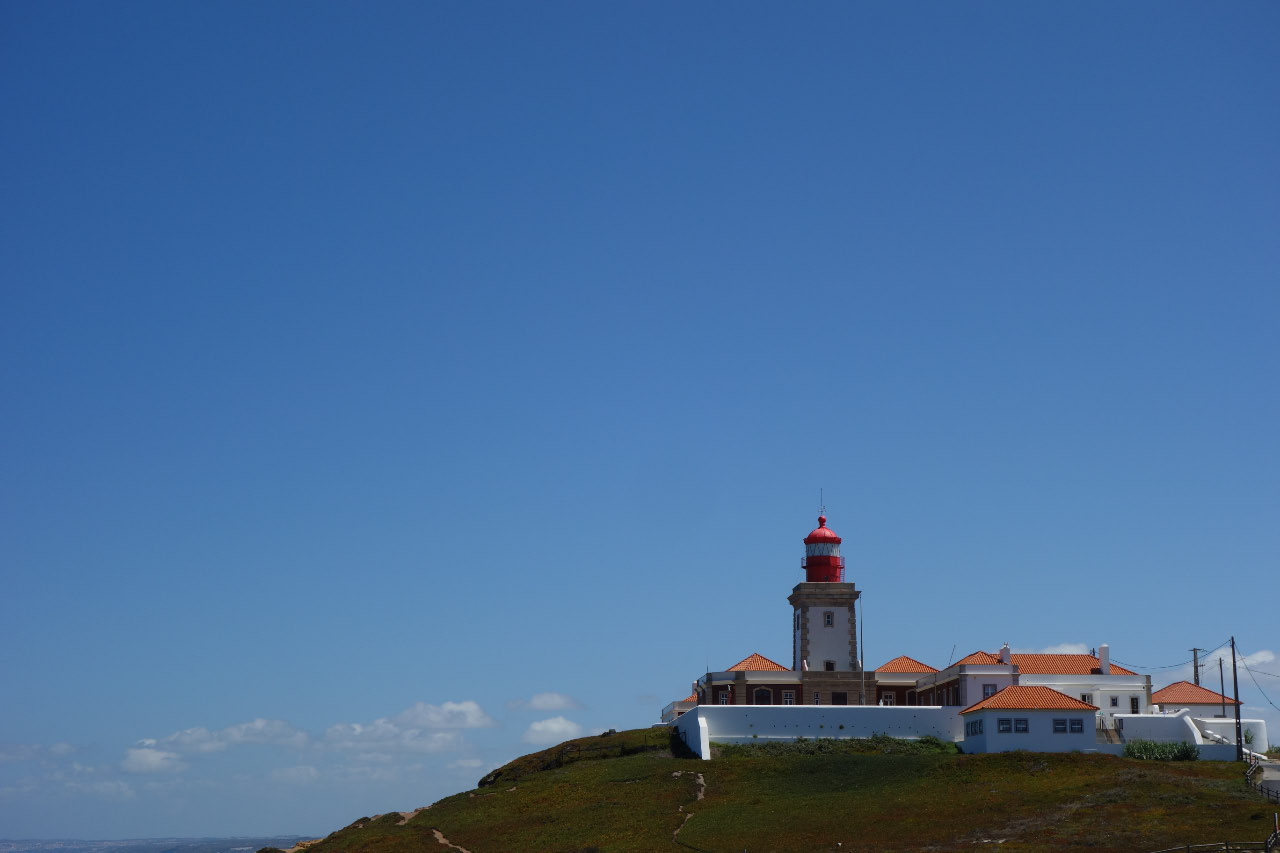
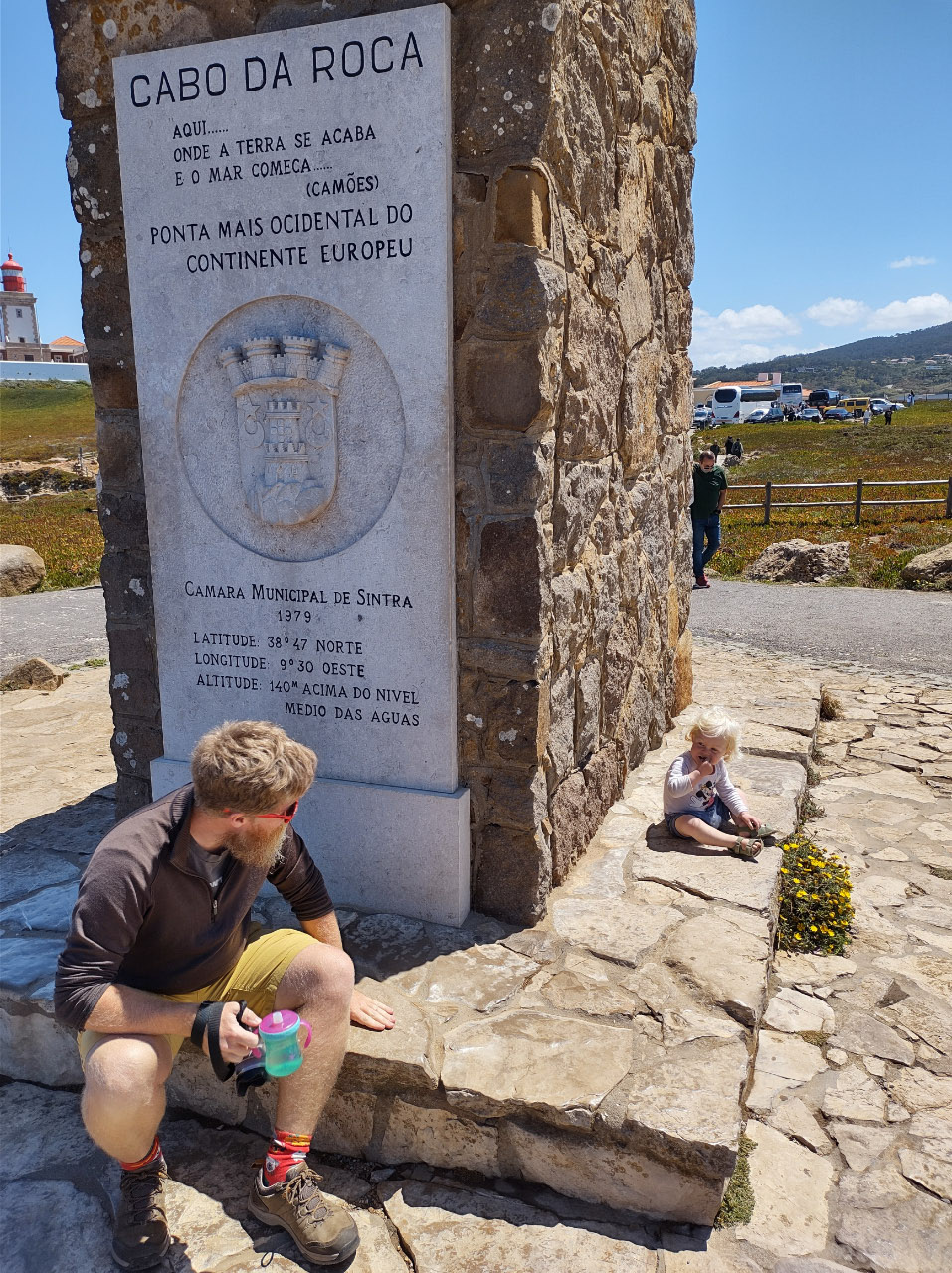
Sintra is on the outskirts of Lisbon and there was time before we were due to check in to our apartment, so we detoured to Cabo de Roca, the most westerly point of Europe on the mainland.
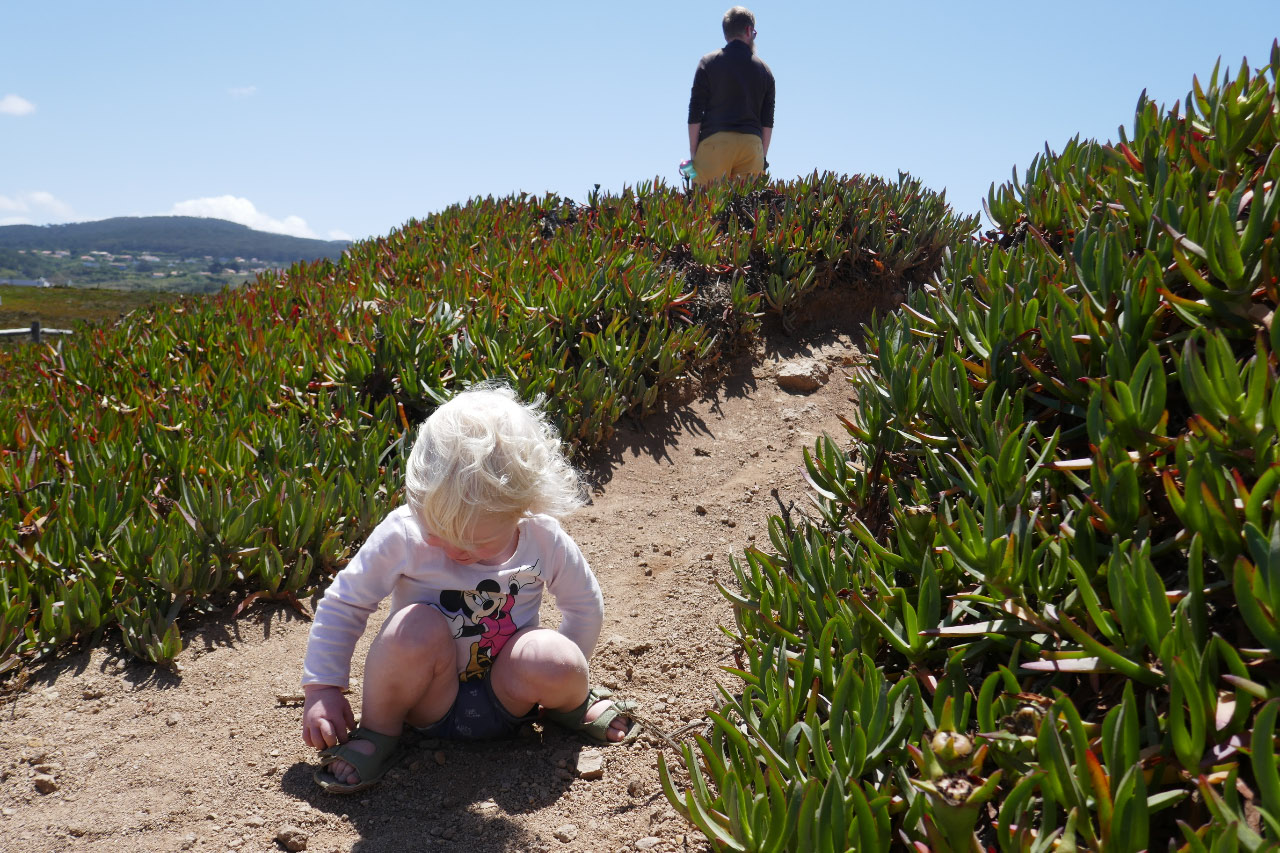
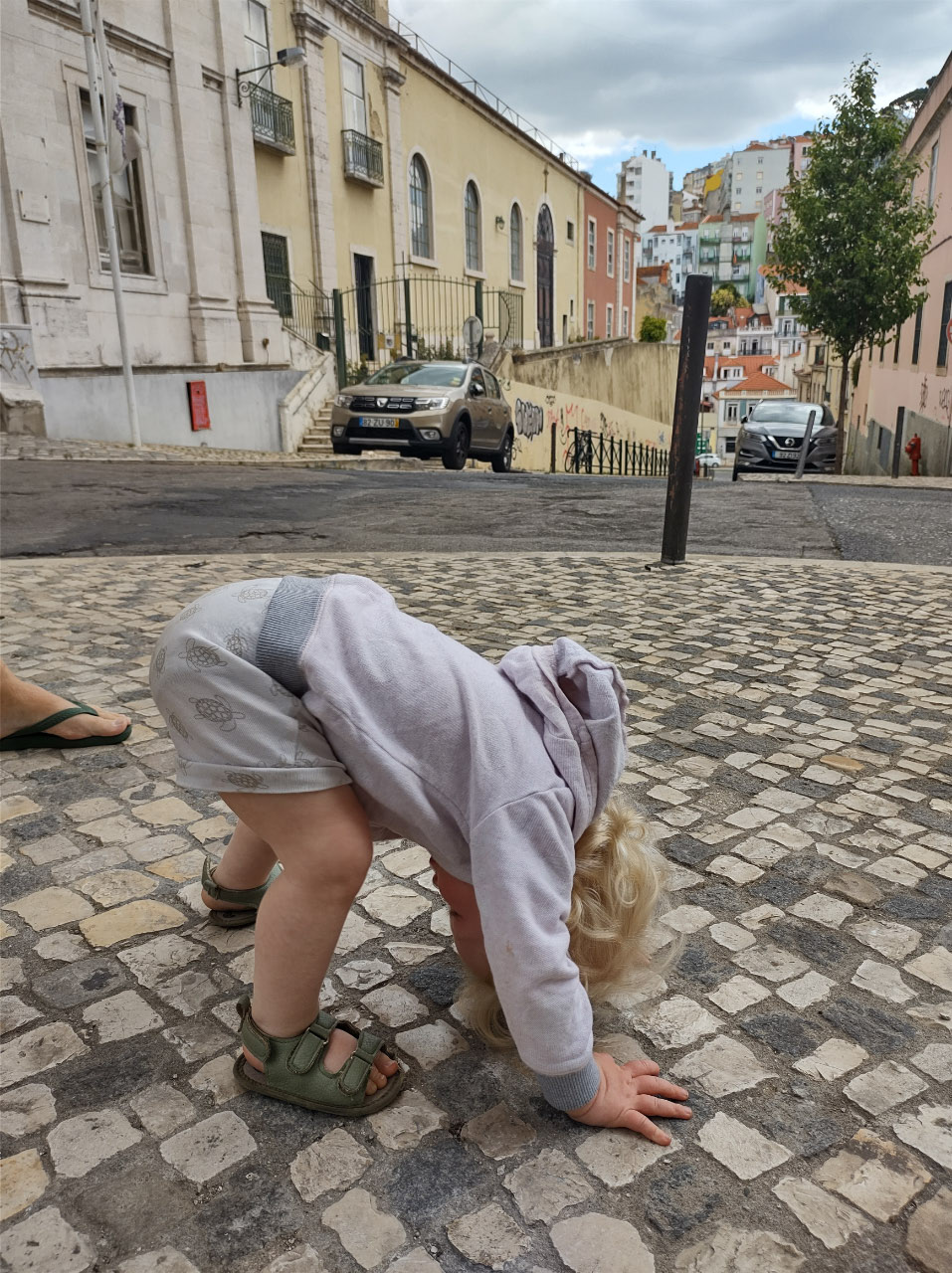
We enjoyed the view and the rather lopsided monument. We spoke to a Canadian couple who were on their first retirement journey and in awe at our travels. For A, the highlight were the many stones that paved the paths. She was interested in collecting all of them.
It was an easy drive from Cabo de Roca into Lisbon. Our priority was to get the luggage to our Airbnb and return the car. We found the company representing our AirBnB and were given directions. This is not one person offering their spare apartment. This is a business managing multiple units.
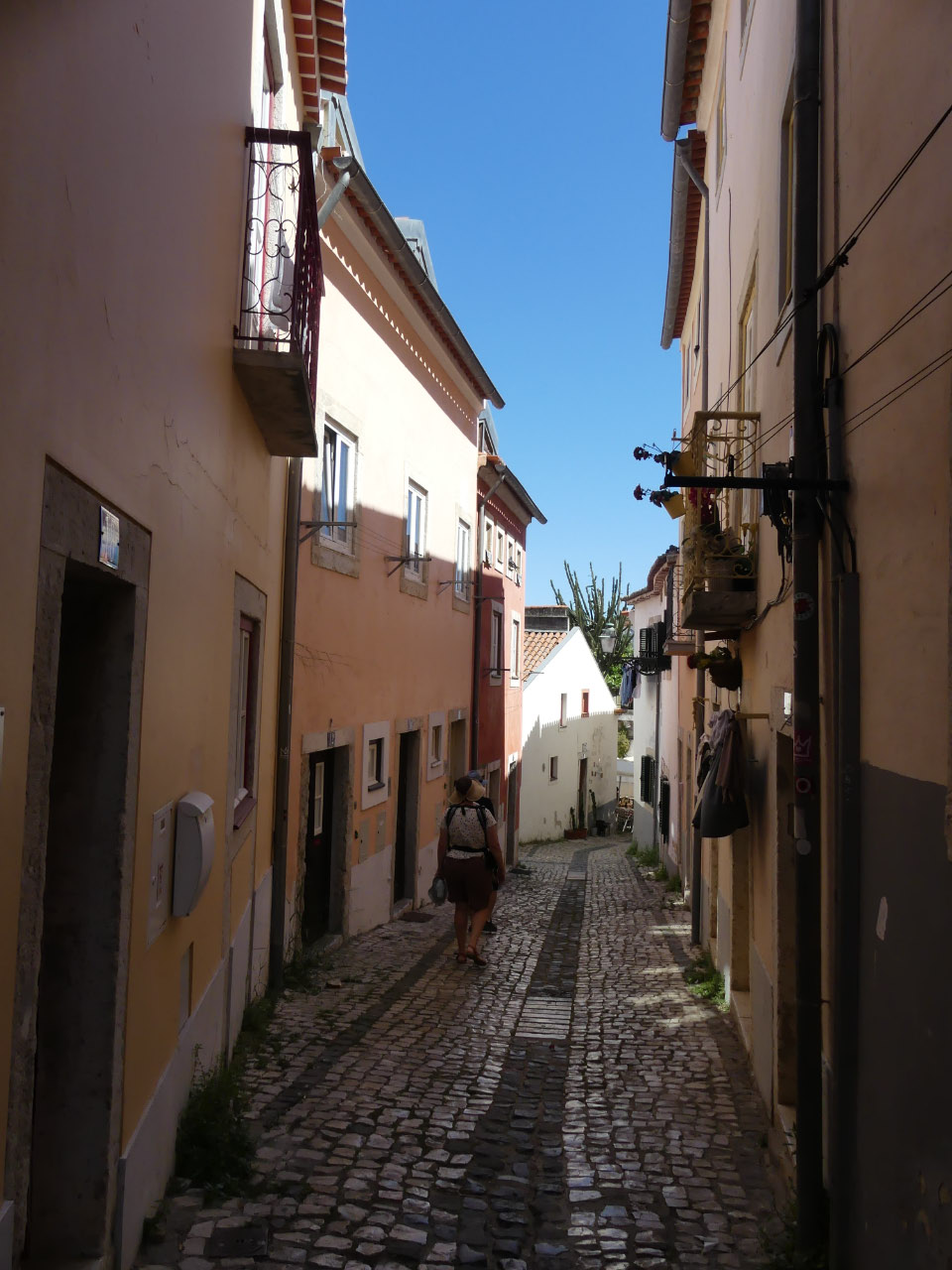
Our apartment was in the Pena district. It was a horrible climb up steep stairs. The apartment, on the surface, looked good. We chose our rooms – the double bed for us and the bunks with extra floor space for Evan & Steph. Only their room was full of desks and chairs and little floor space. While Bruce & Evan returned the car, Steph and I set about clearing their room to make space for a cot and the necessary items to manage a toddler.
We found the local supermarket and stocked up on food for an easy meal as well as the necessary beer and wine. Cooking turned into a challenge, when using more than one hotplate blew the fuse. Slow cooking tonight. Then we did a count of the towels – not enough. It was a long and difficult conversation with the ‘agent’ who accused us of lying and stealing. Oh dear. Airbnb has become too commercialised.
We stepped out in the morning to find:
- Coffee
- Directions to town
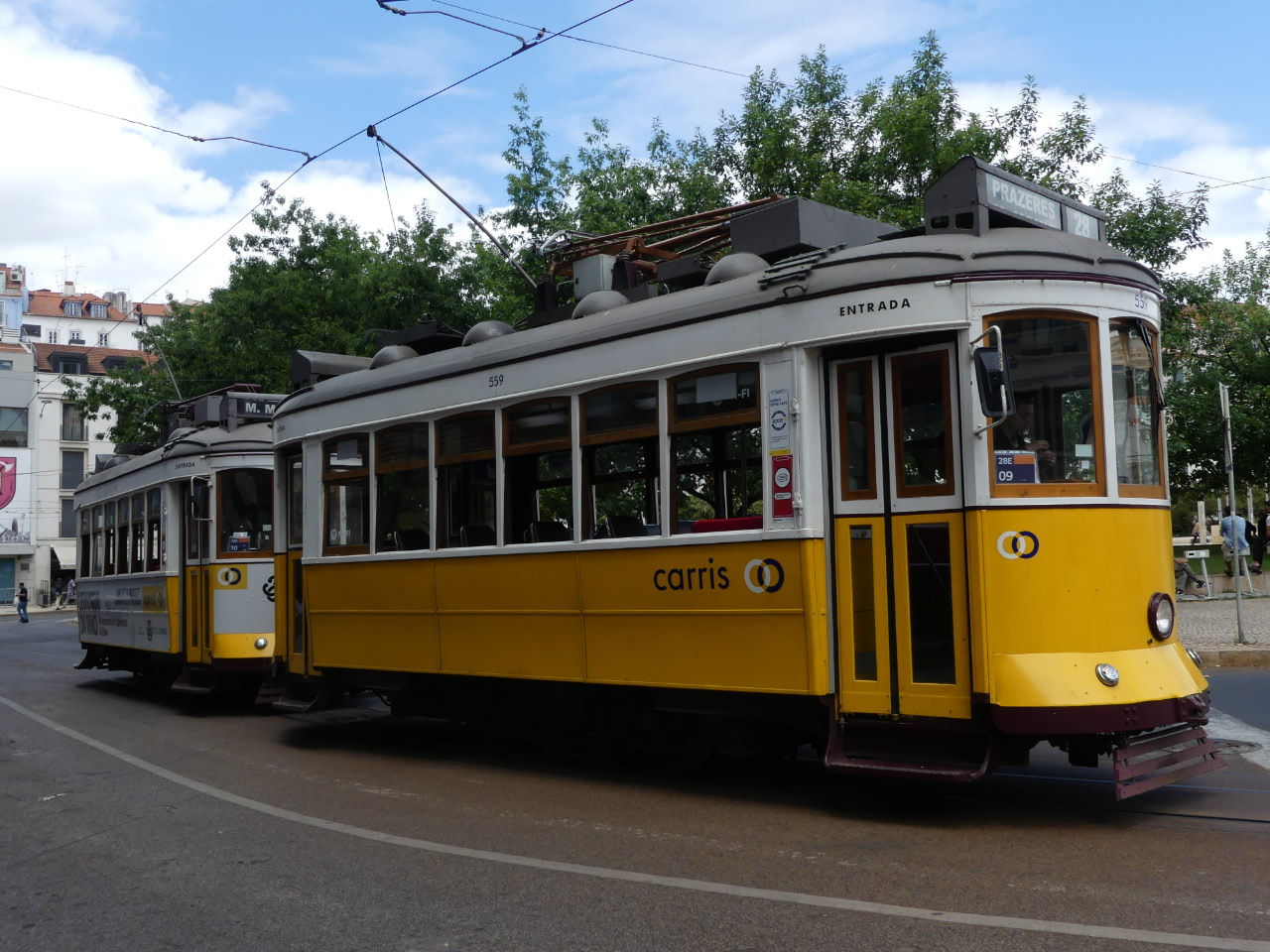
- A mandatory tram ride
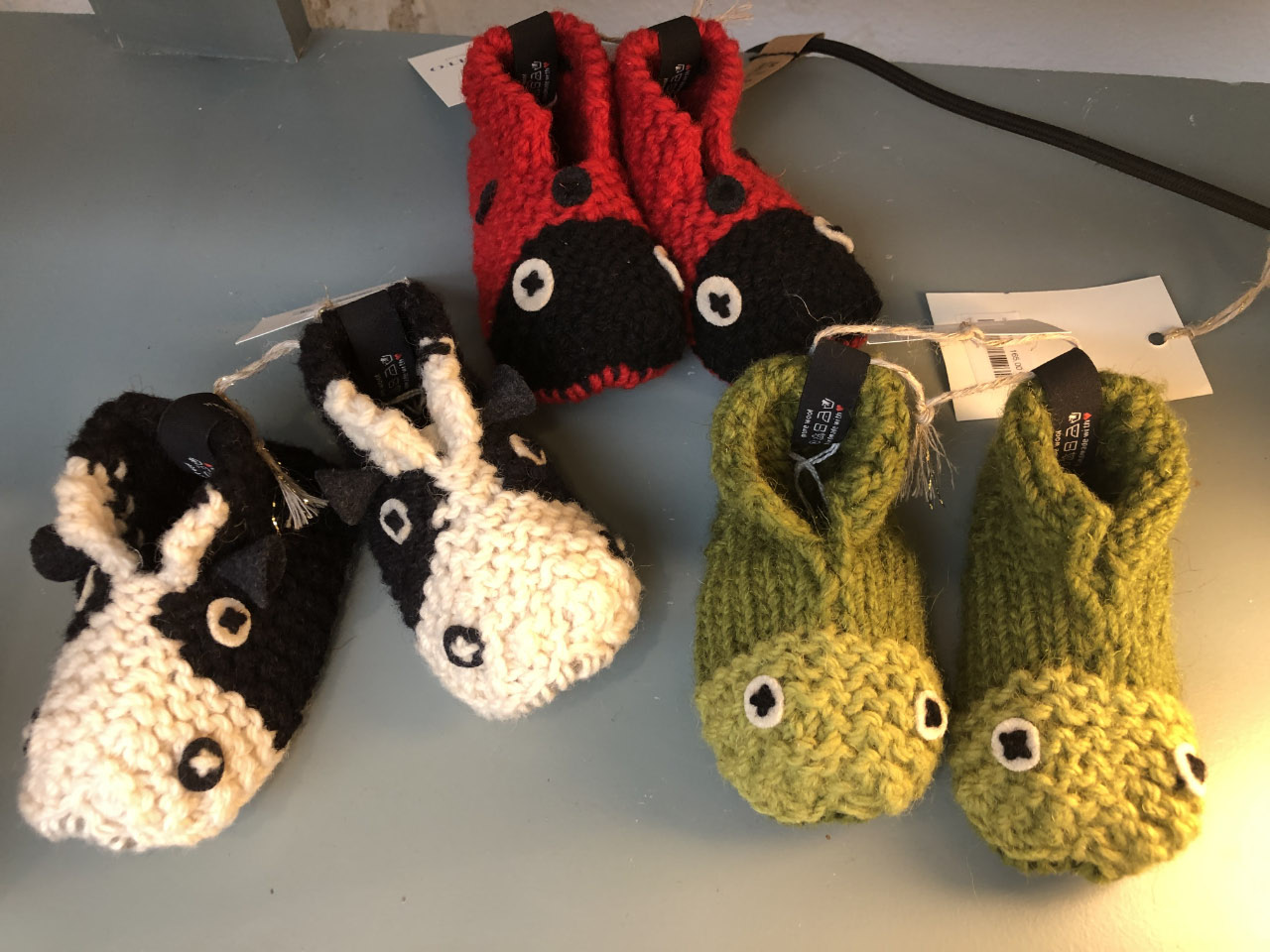
On the journey we found a wonderful arts and crafts shop specialising in old posters (Bruce), knitted jewellery (Thea), pottery (Steph) and a wonderful collection of eclectic things (Evan). We even made a return visit to make actual purchases
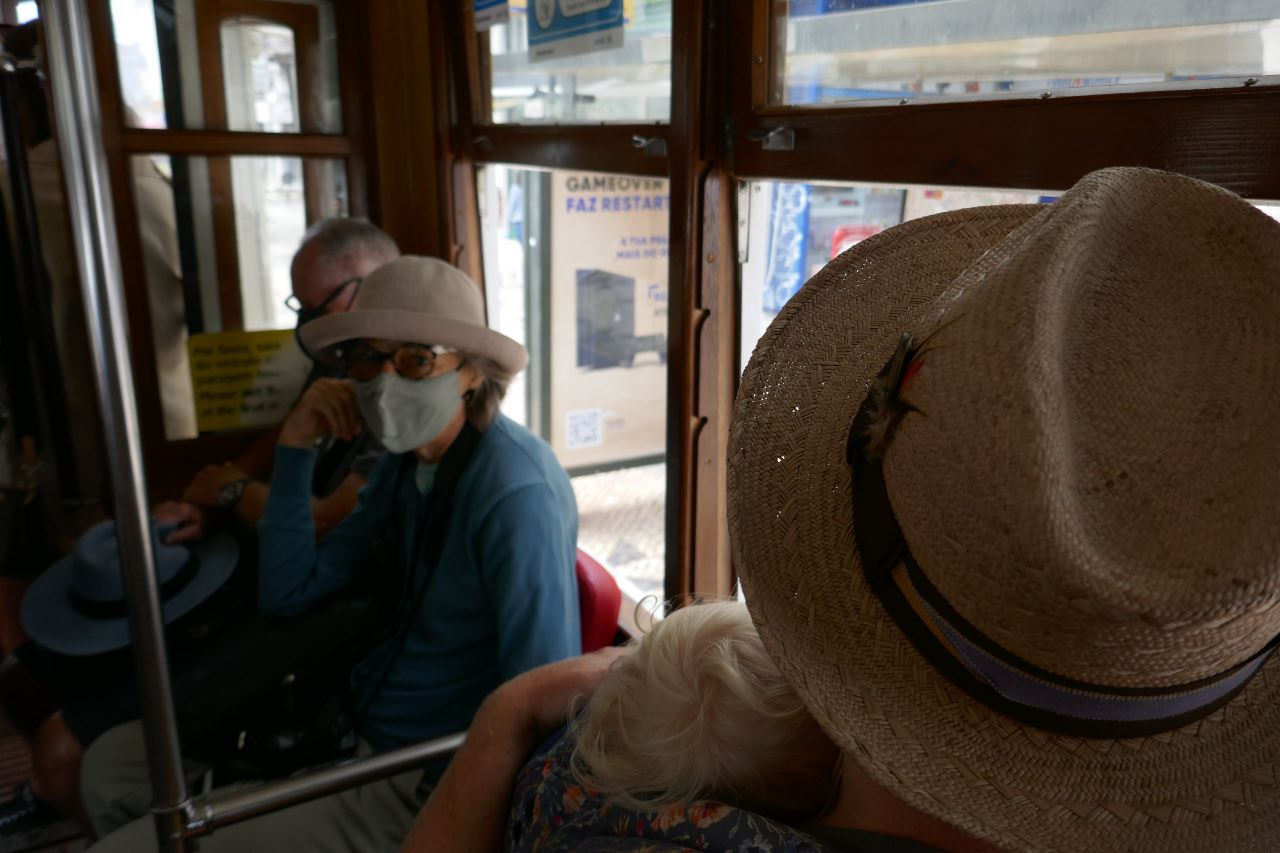
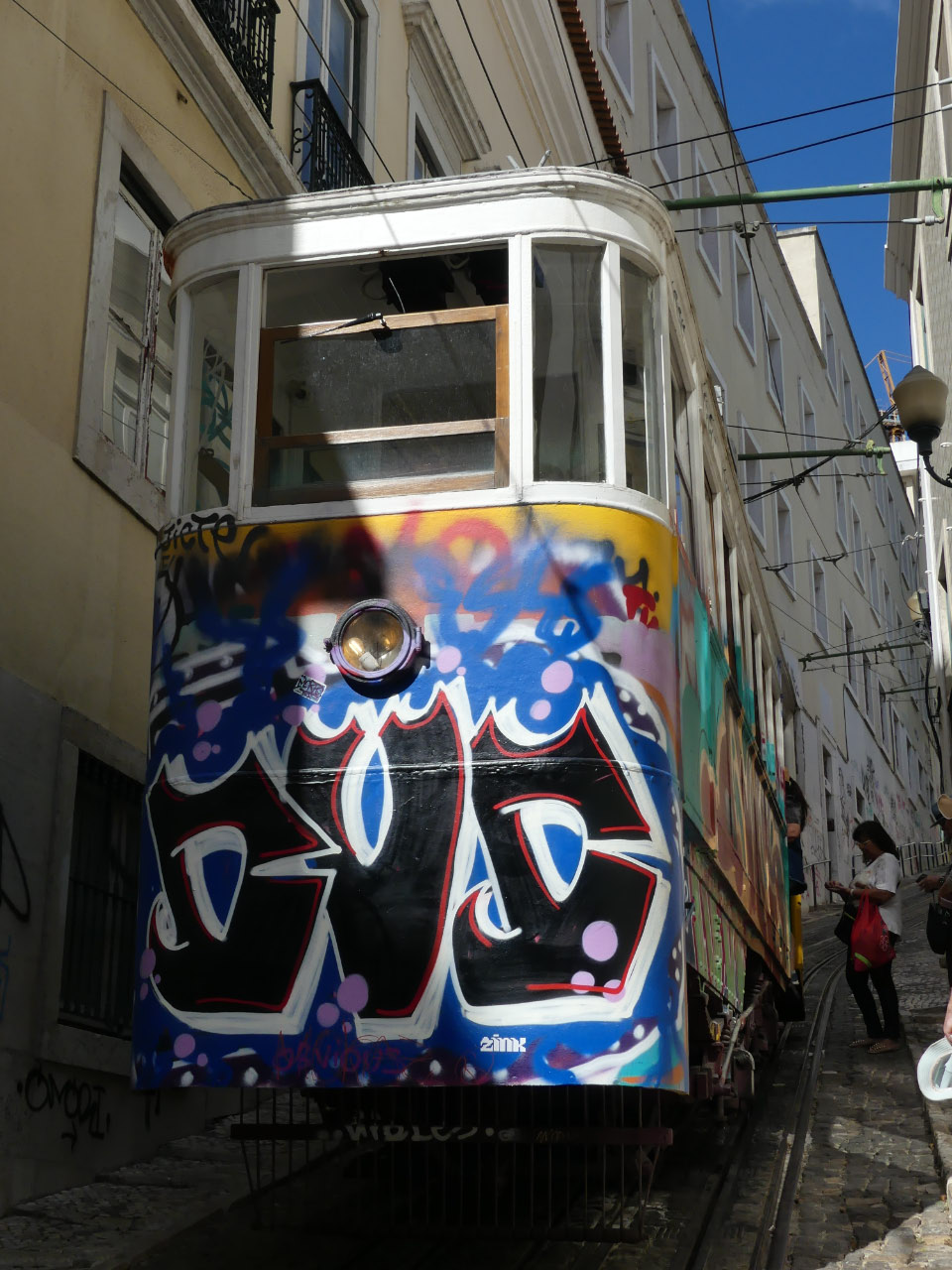
Lisbon is famous for its trams so a ride on one, however short, is a ‘must do’. Masks were still worn on all public transport in Portugal.
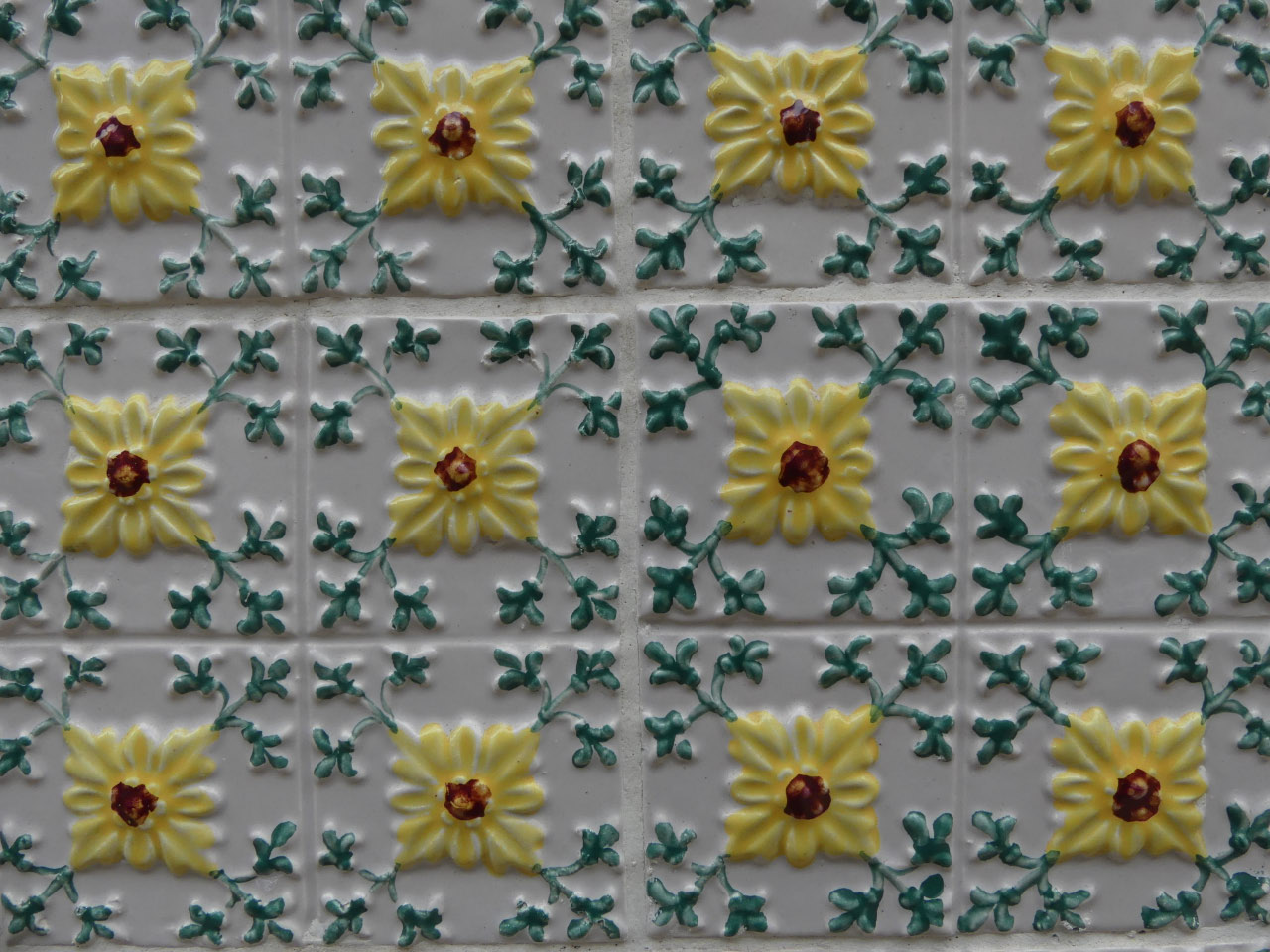
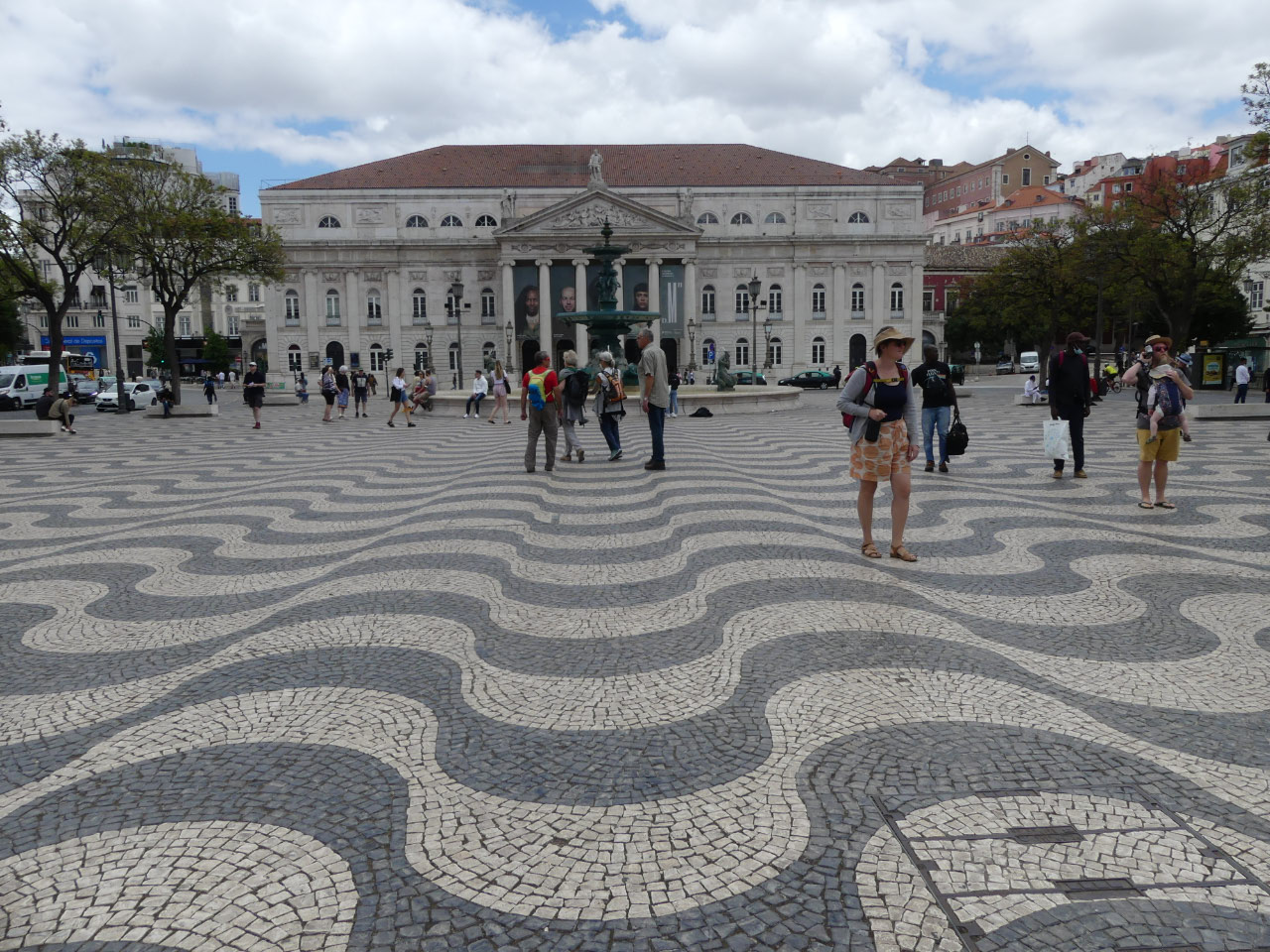
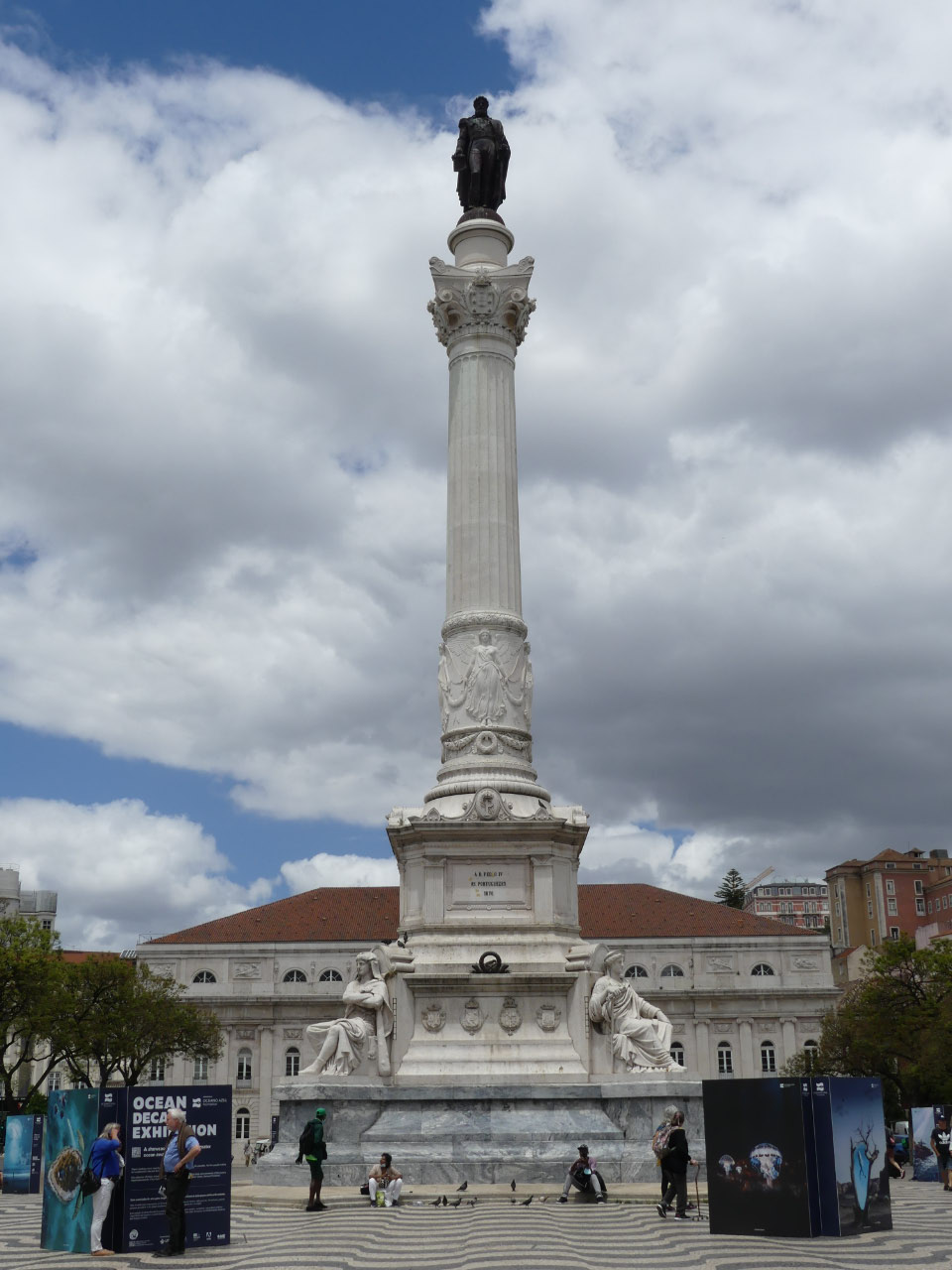
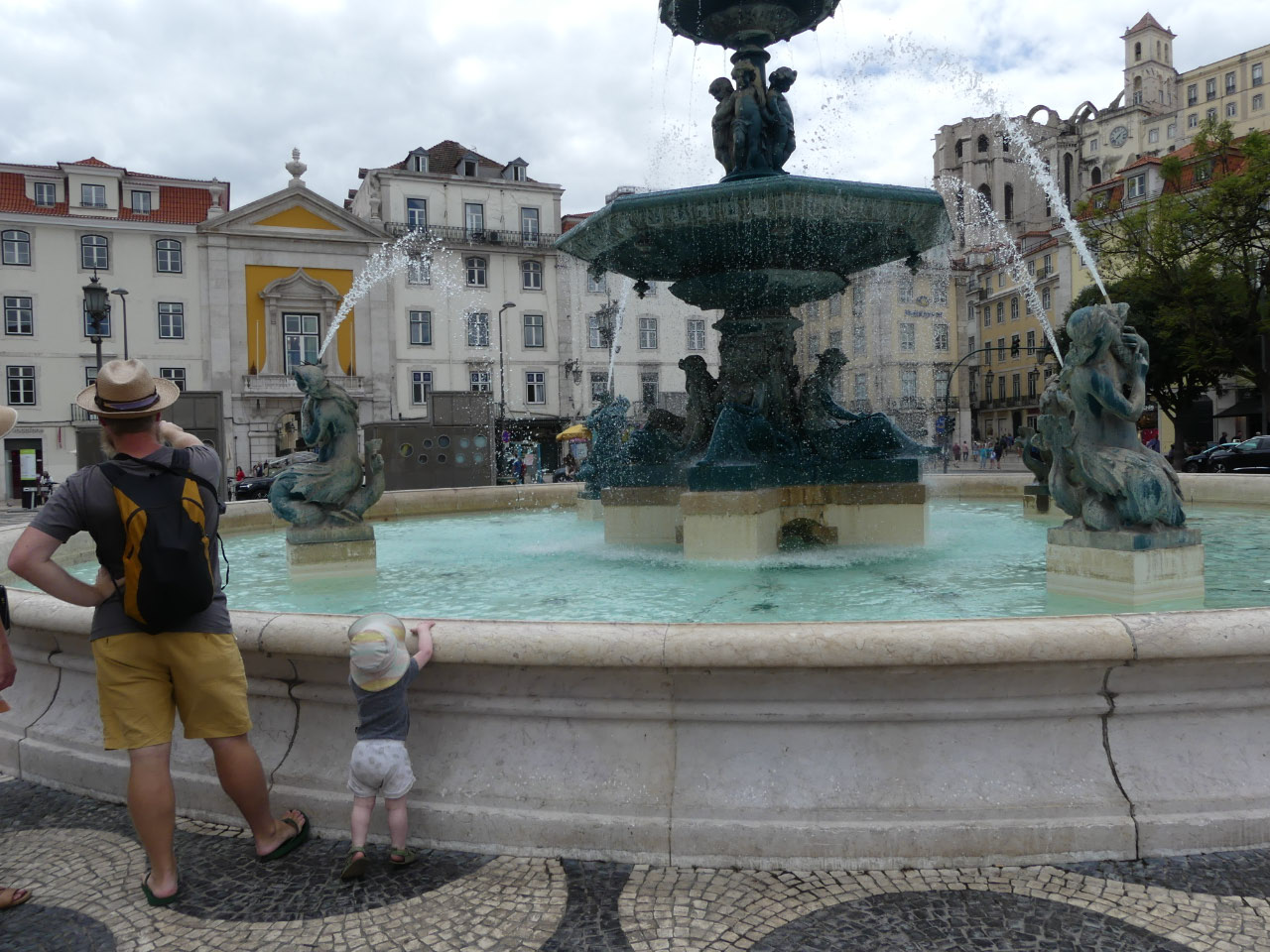
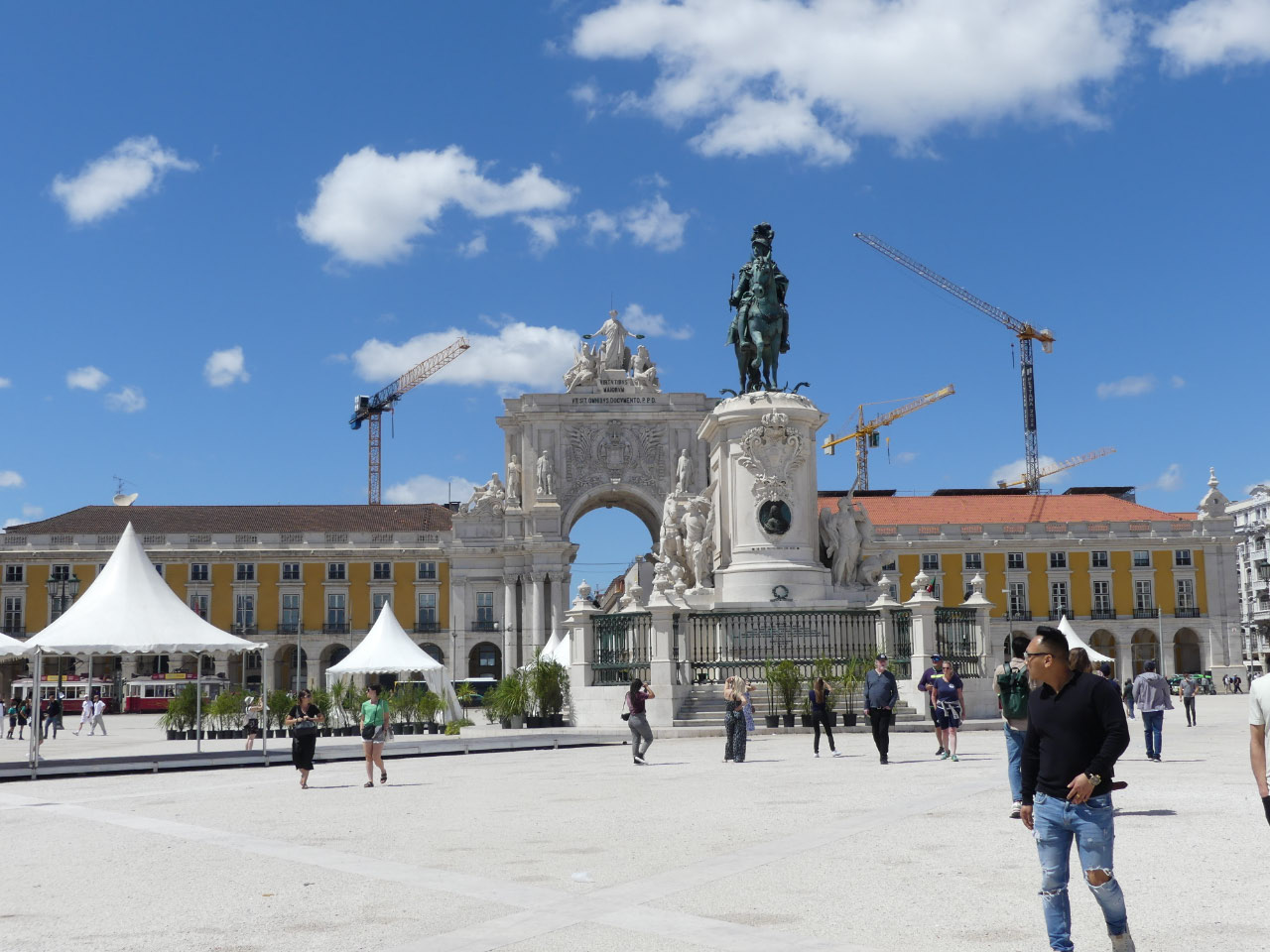
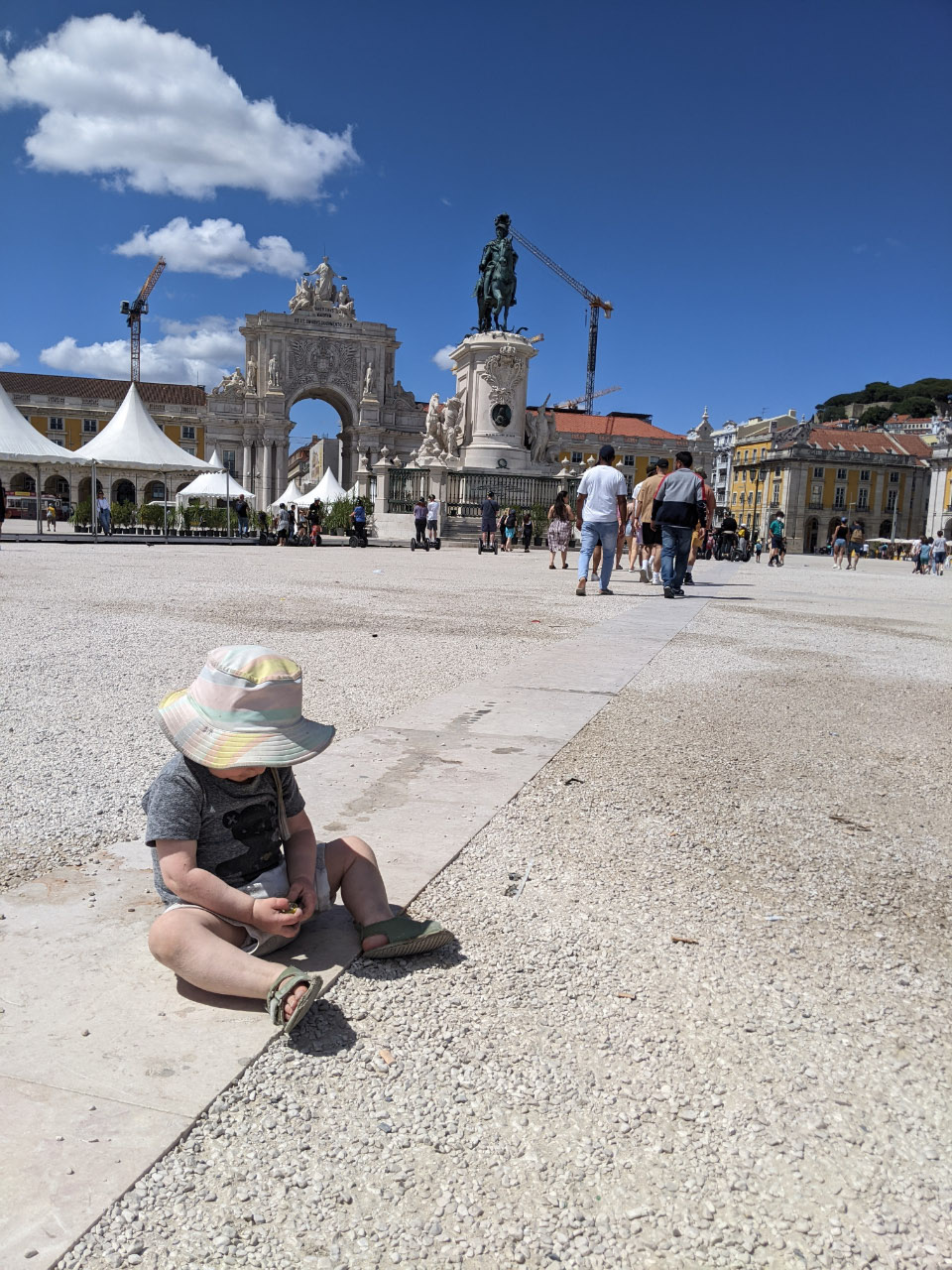
From the tram stop we walked into the impressive central plaza Praça Dom Pedro IV, where A was delighted to find space to run. Two magnificent fountains top and tail the square and beautifully laid tiles create a wavy, nearly 3-D pattern.
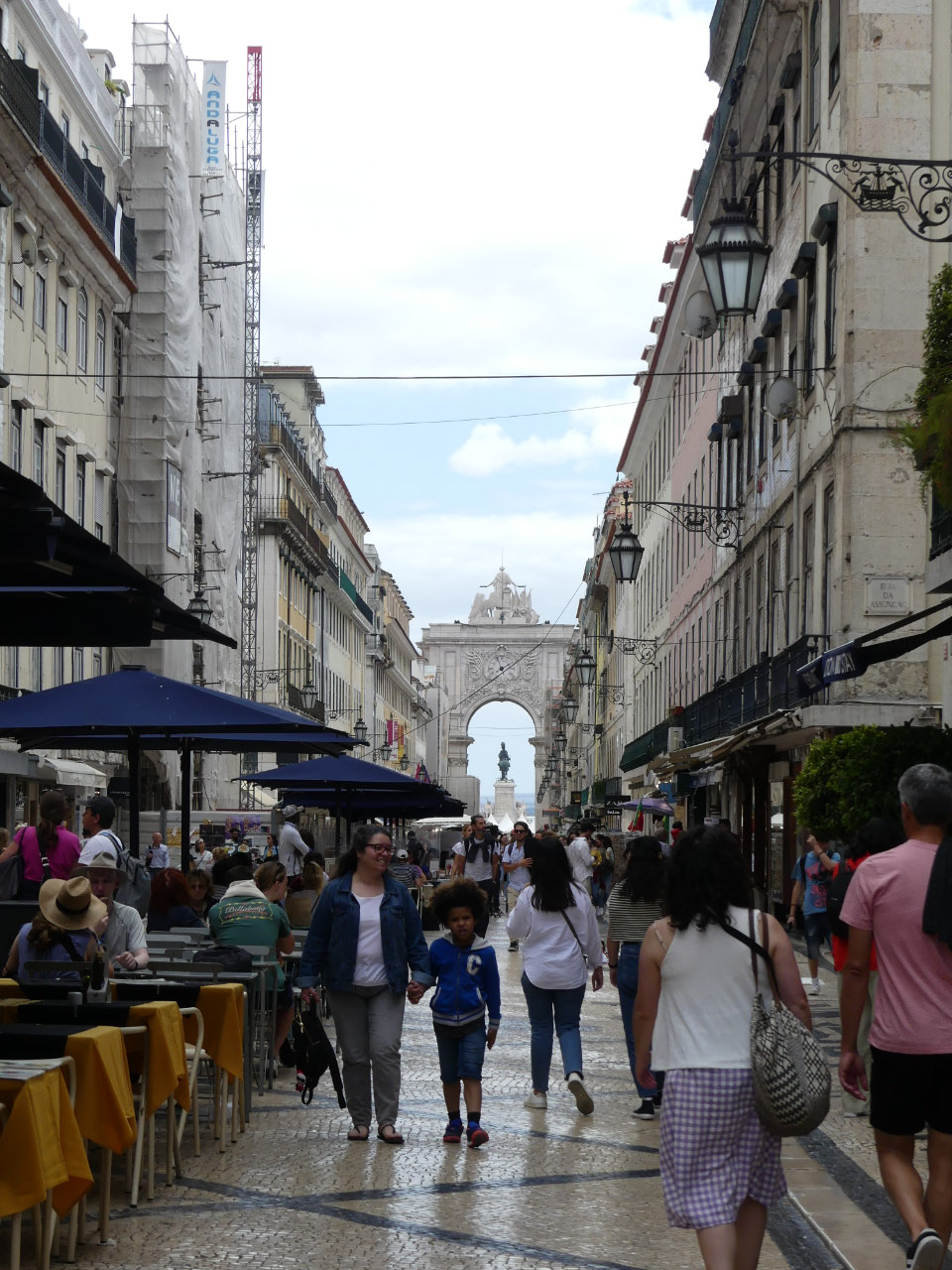
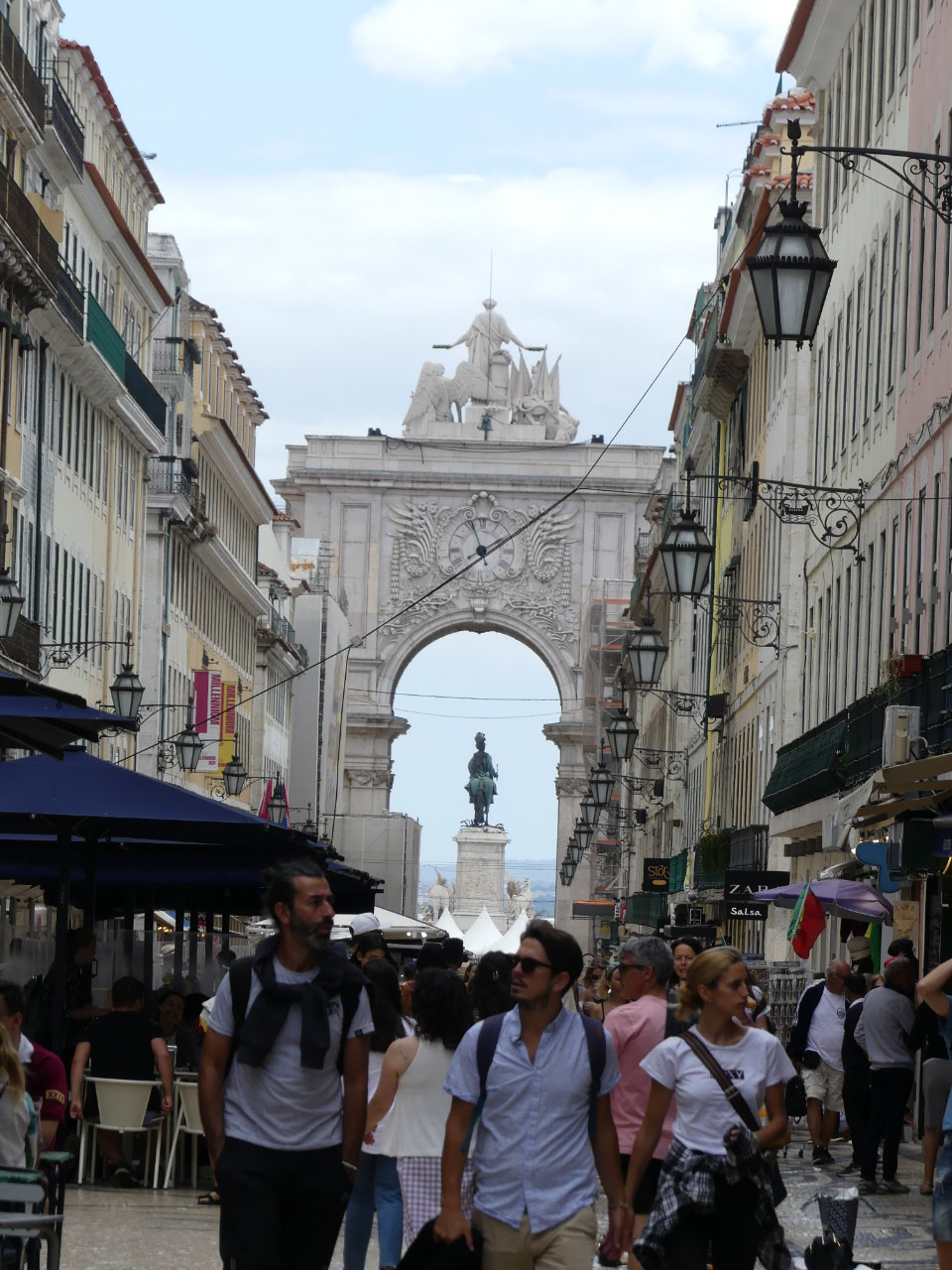
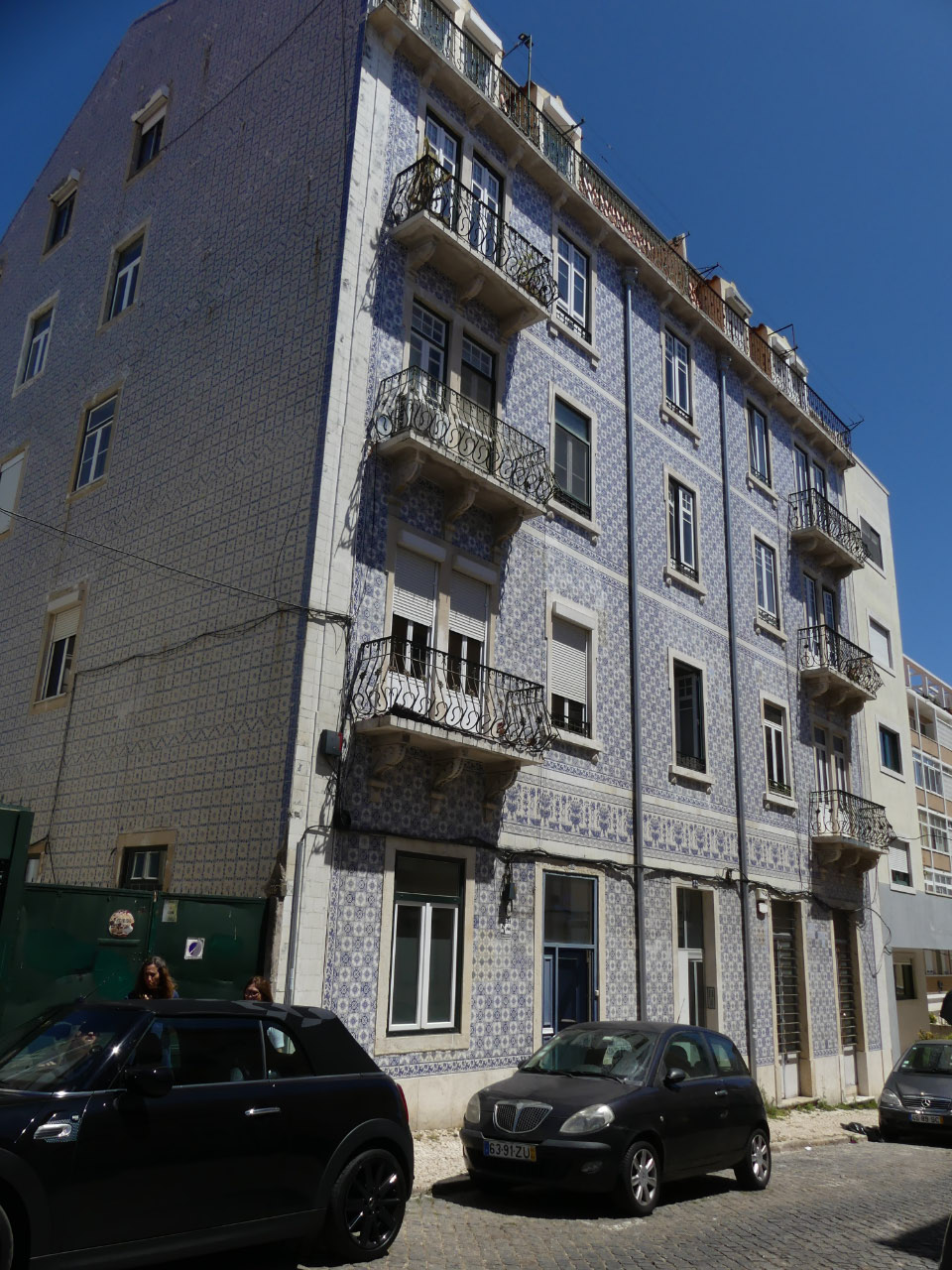
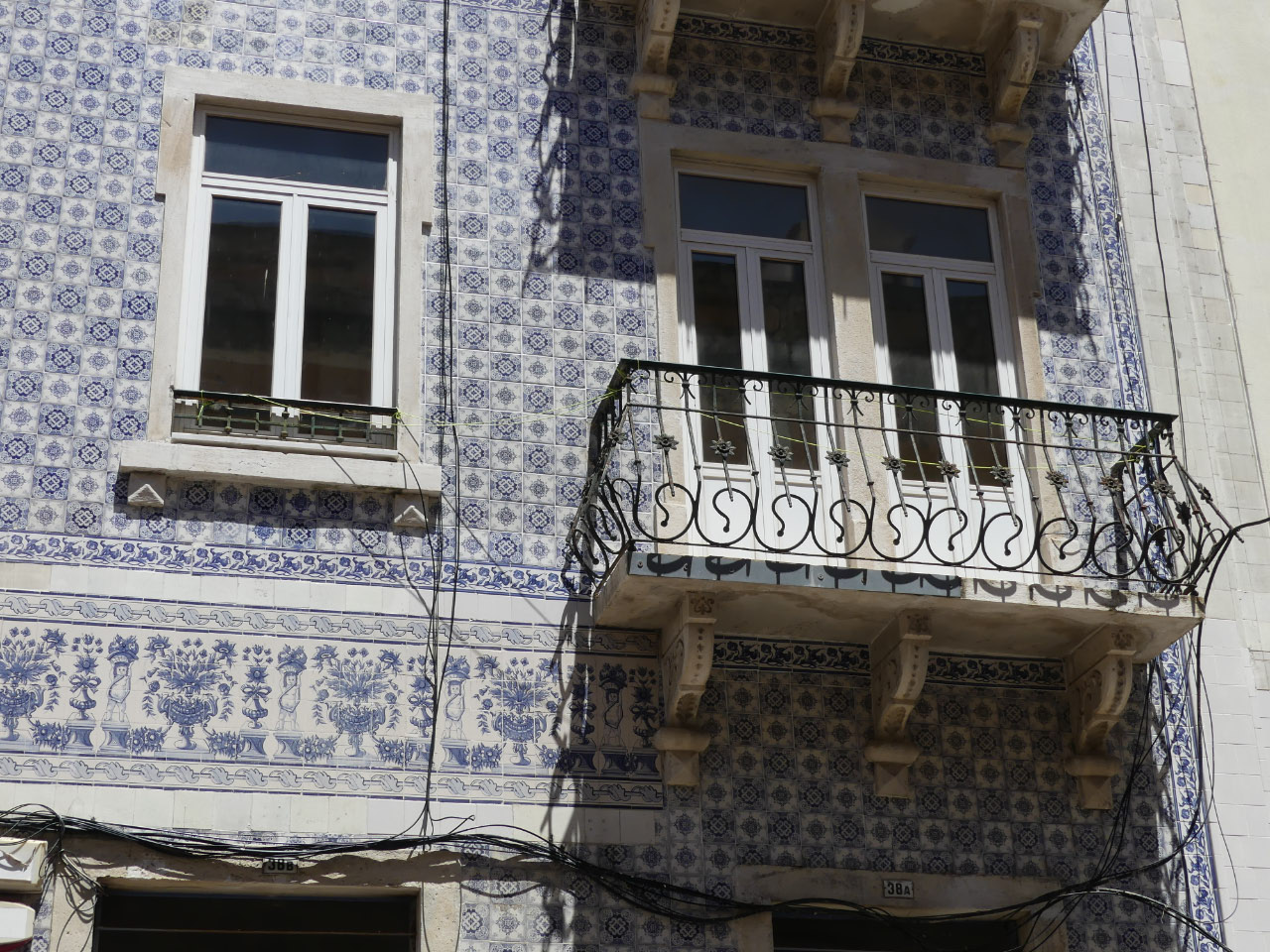
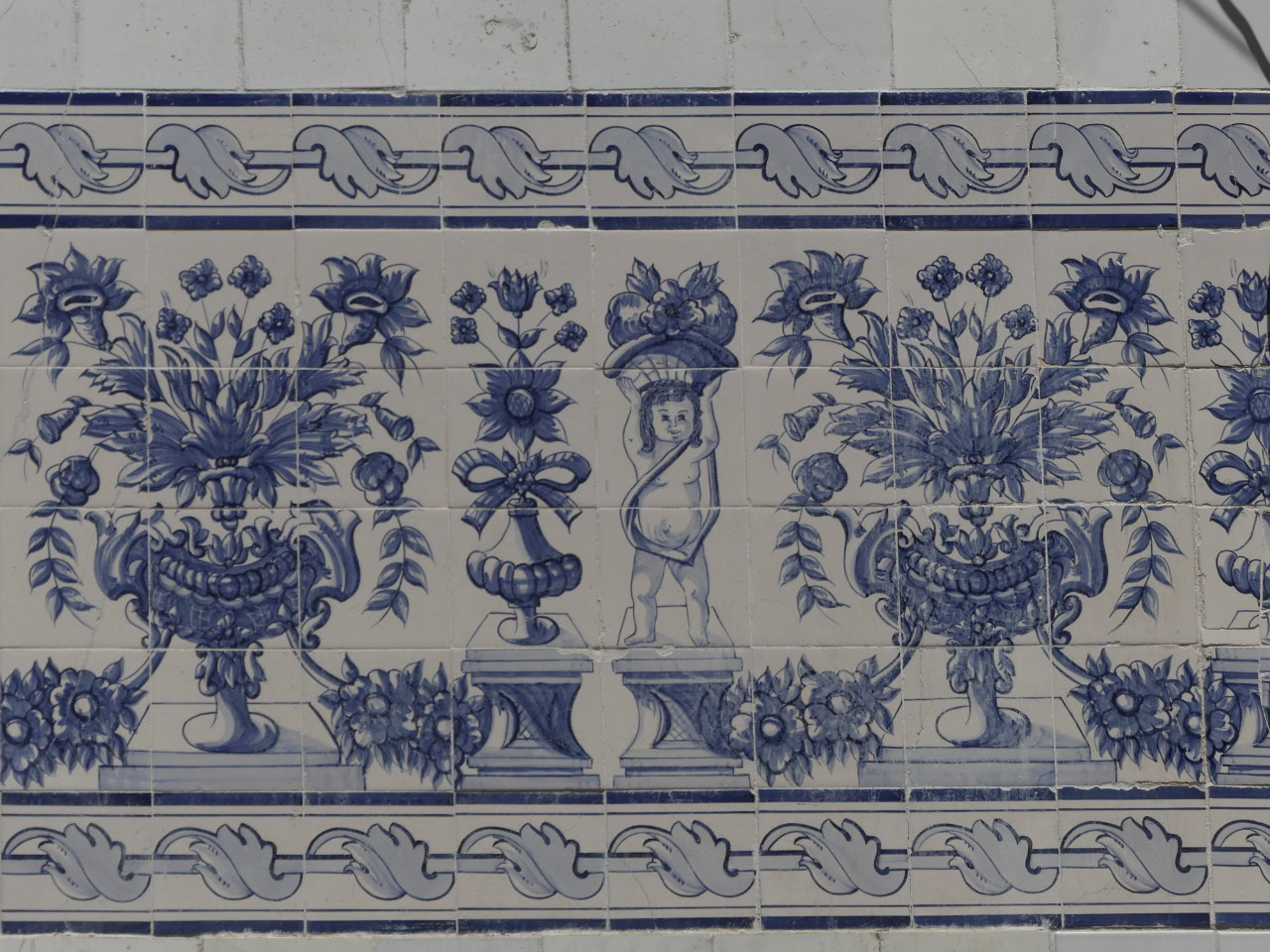
We meandered along Rua Augusta and its environs. There is no shortage of beautifully tiled buildings and twisted streets. We stopped for a simple lunch at Paul’s cafe.
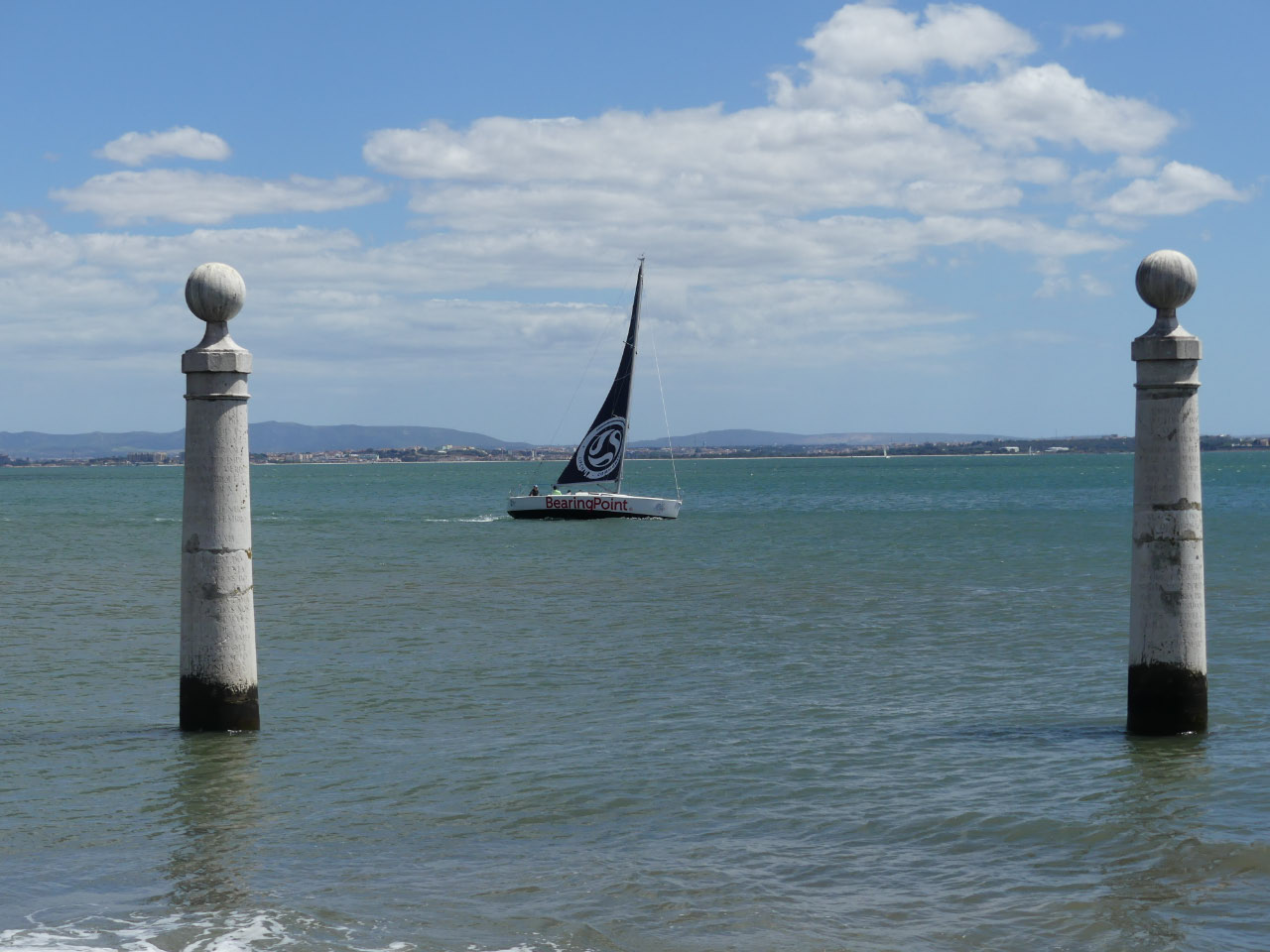
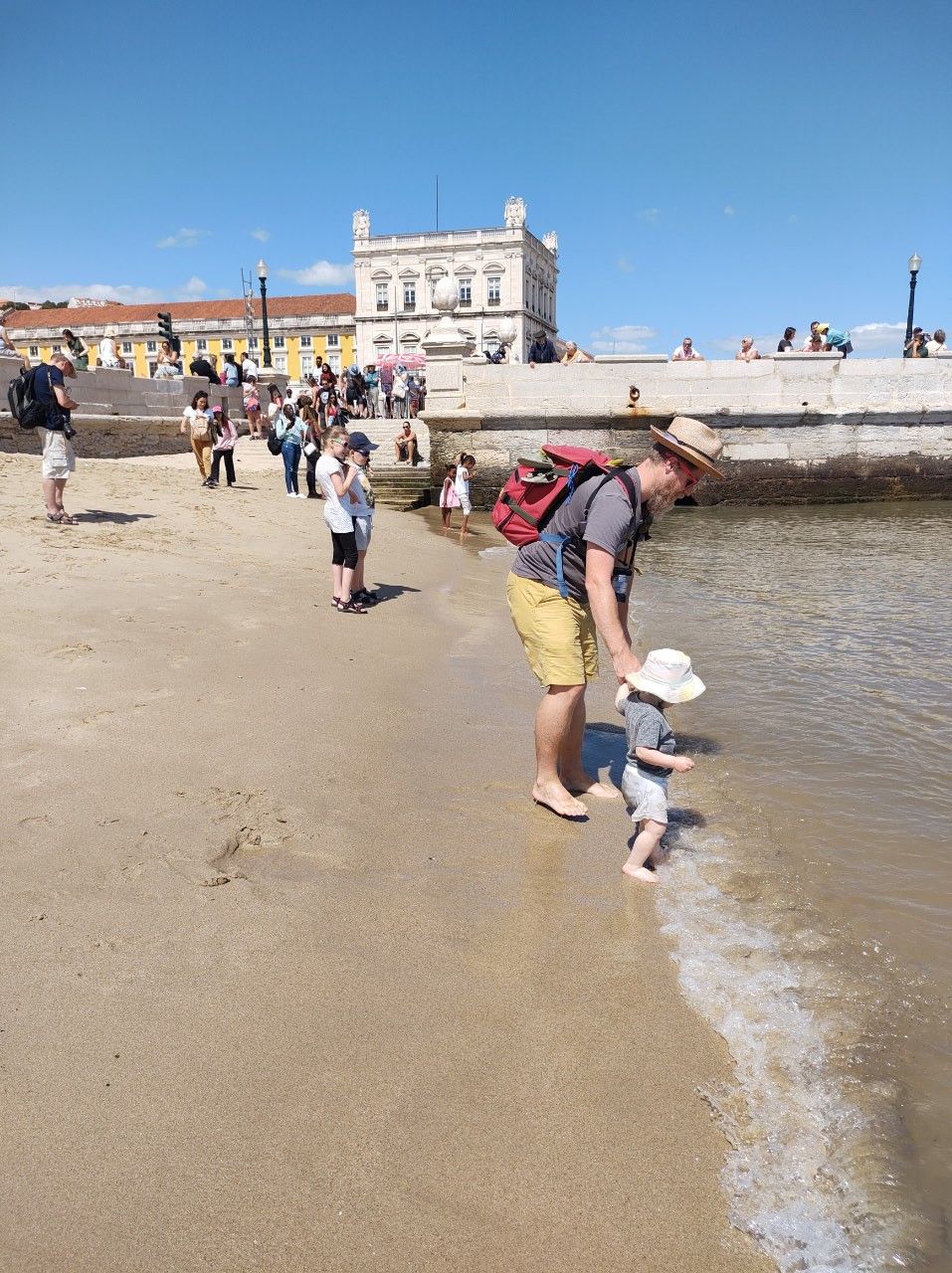
Just as patience was running low we found a tiny beach on Commerce Square on the Tagus River. A cooling and calming experience for a toddler.
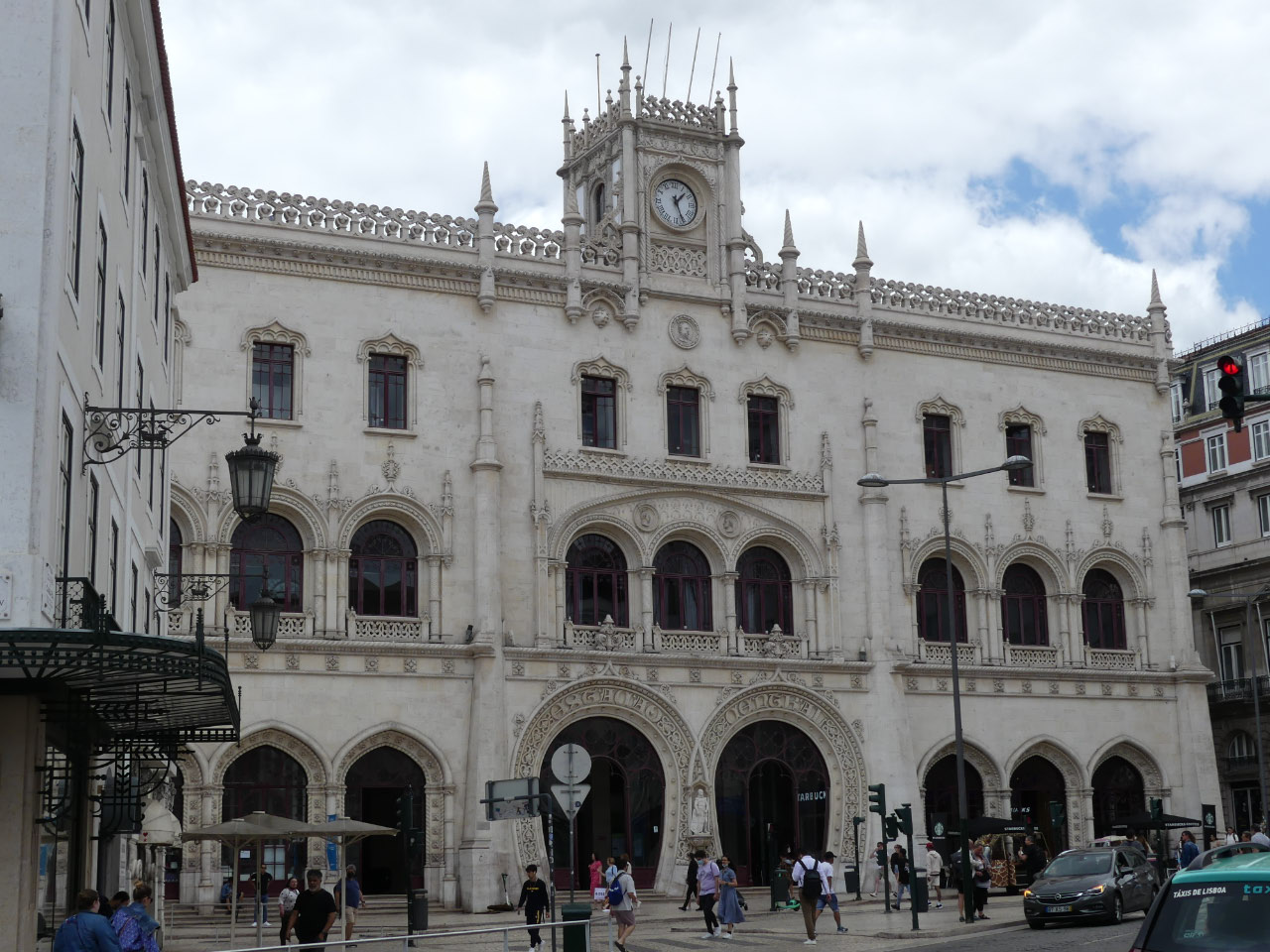
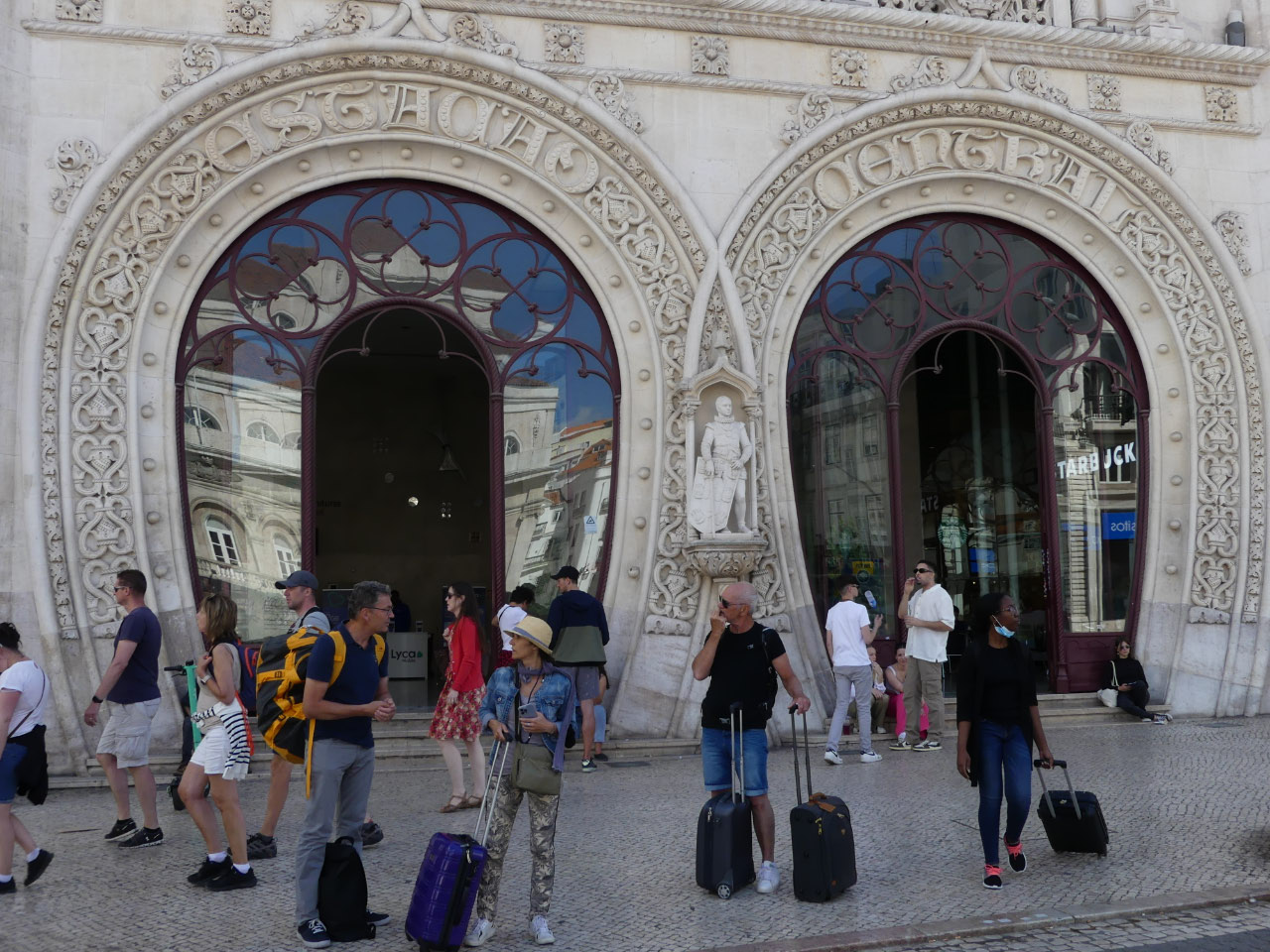
We found the beautiful main station Lisboa Rossio with its ornate arches on the front. Disappointingly boring inside.
Just off Av. Liberdade we caught the super expensive Ascensor do Lavra cable car up the hill. Climbing was becoming difficult for me. Surely I am not so unfit?
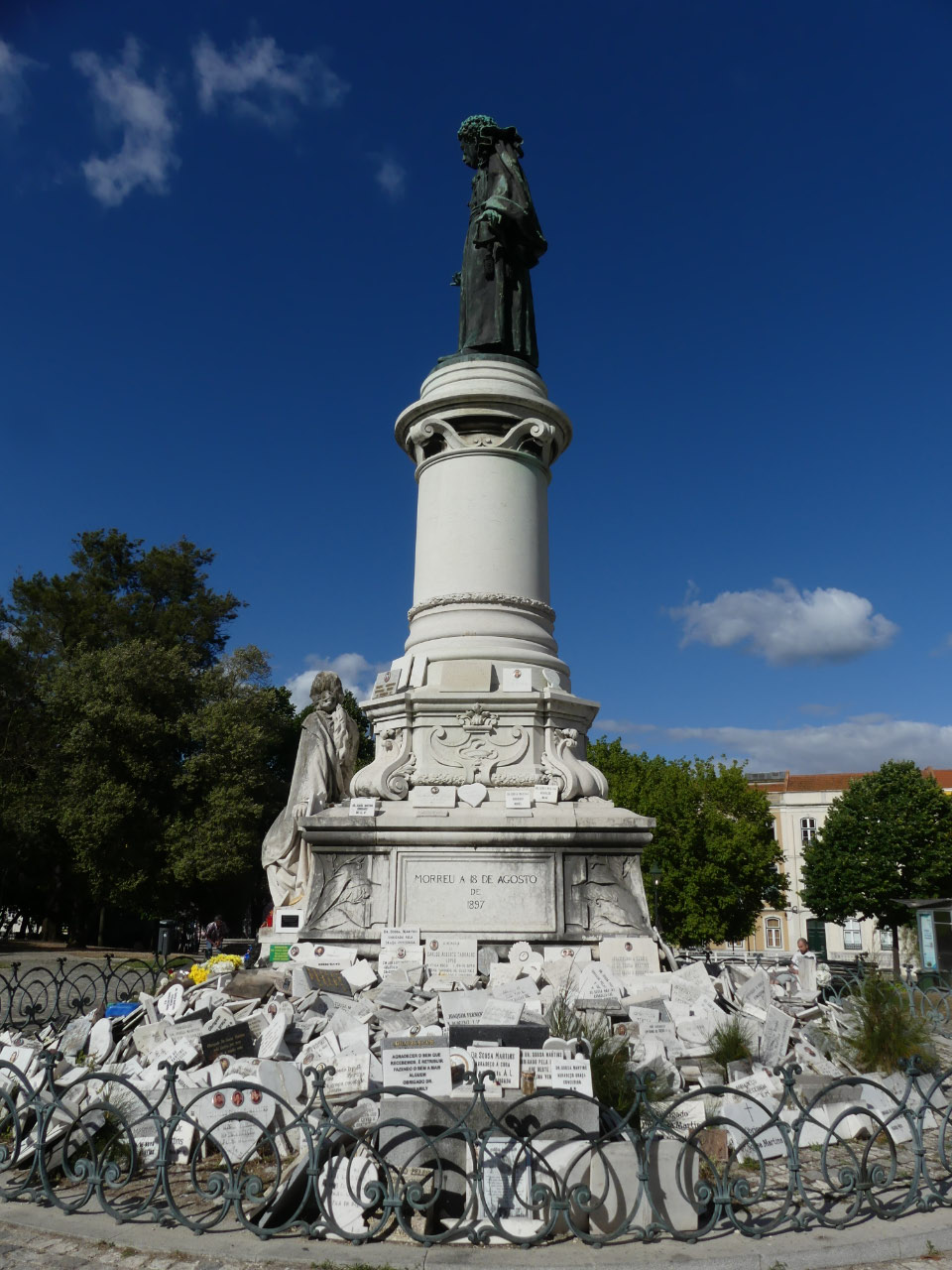
On top of the hill we came across the Monument to Dr. Sousa Martins. He was a doctor to poor and the monument was filled with plaques of gratitude for “miraculous cures”.
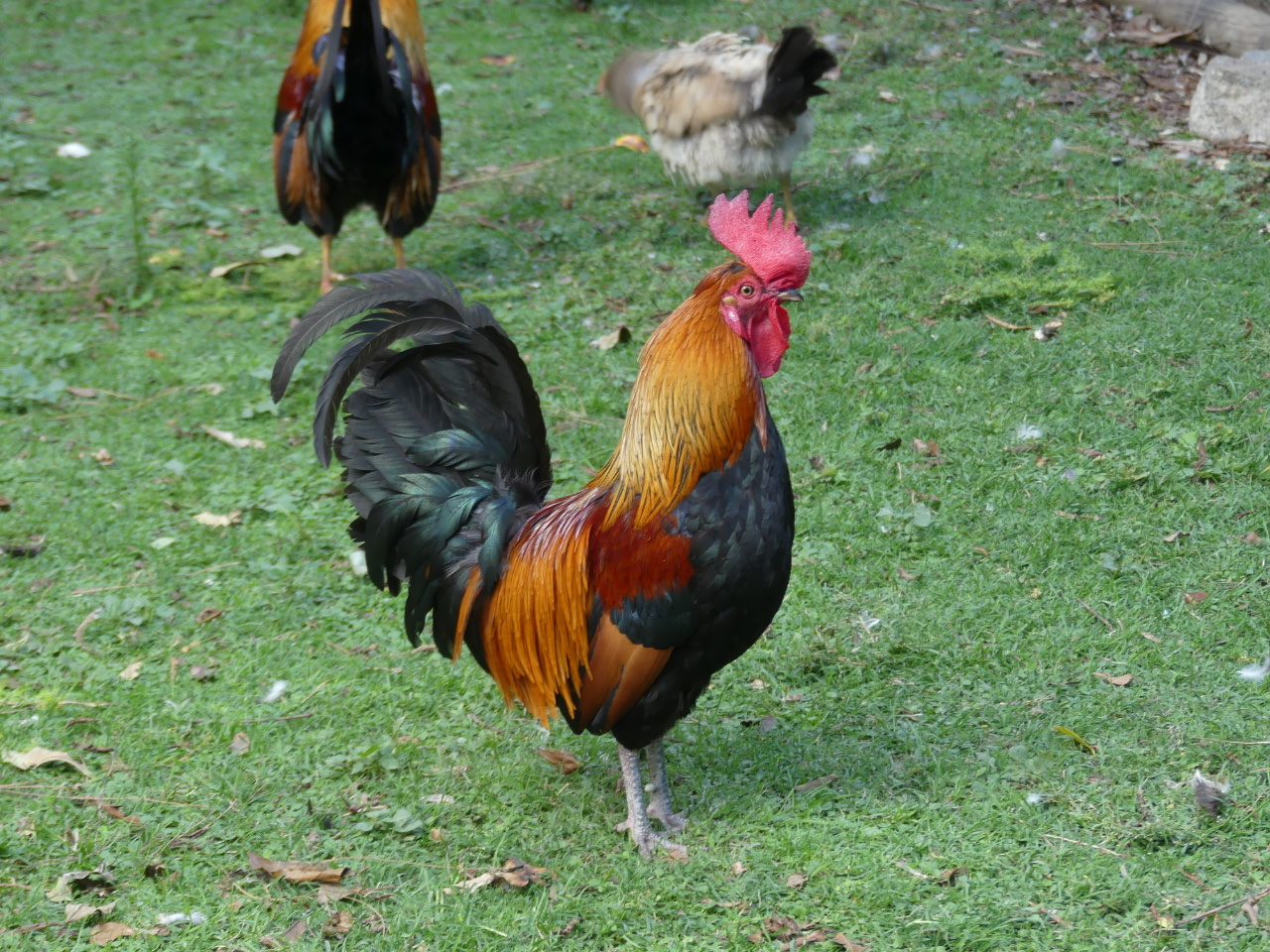
This was close to our nearest supermarket so we took advantage while A counted the Bantem chooks in Jardim Braancamp Freire. We were staying out of town, in a more local area of Lisbon. The park and activities around it were a welcome distraction.
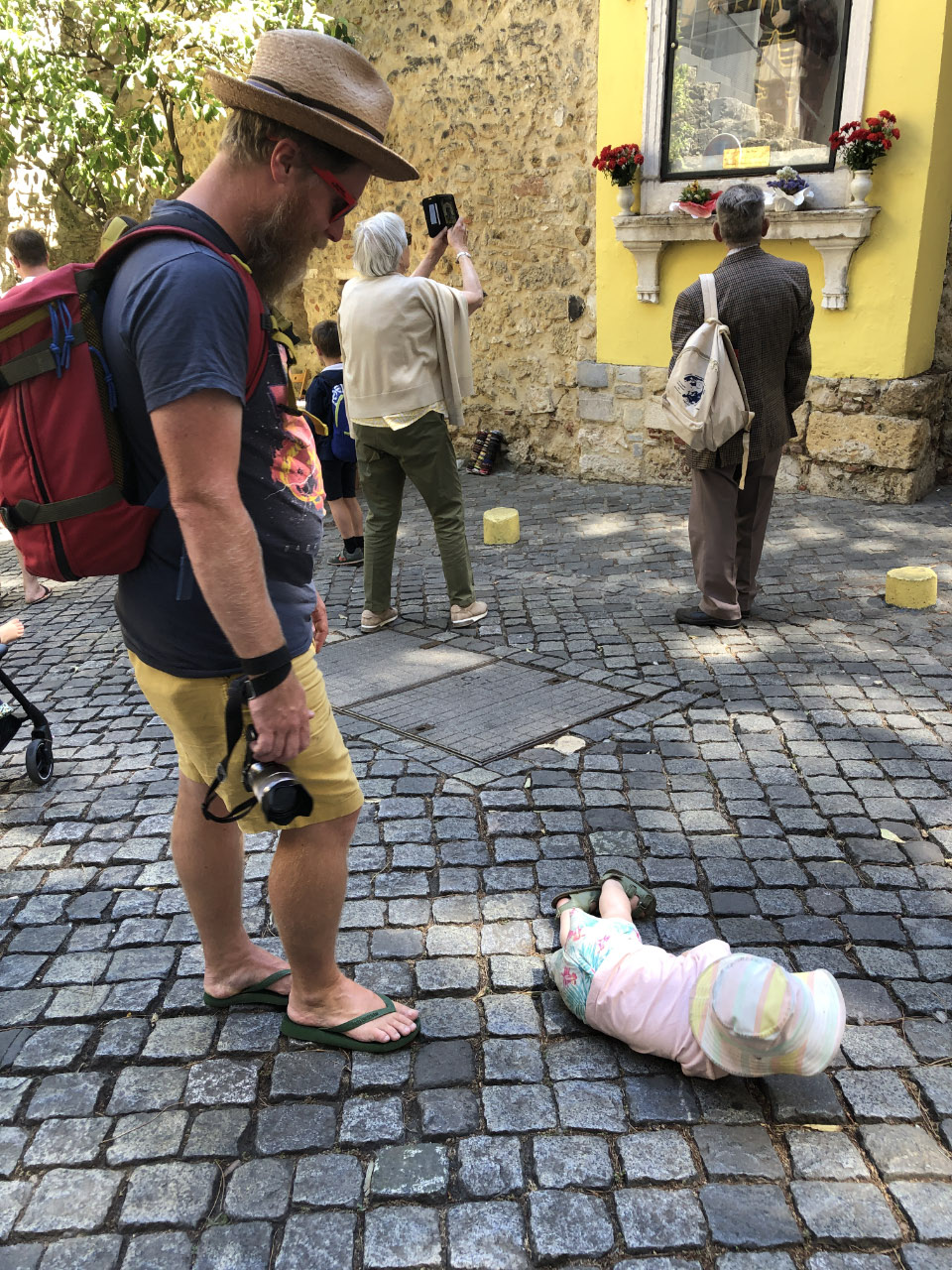
A had taken a liking to shopping bags and had managed to climb in and/or pop her toys into them. We were totally amused by her antics as we asked “What’s in the bag?”
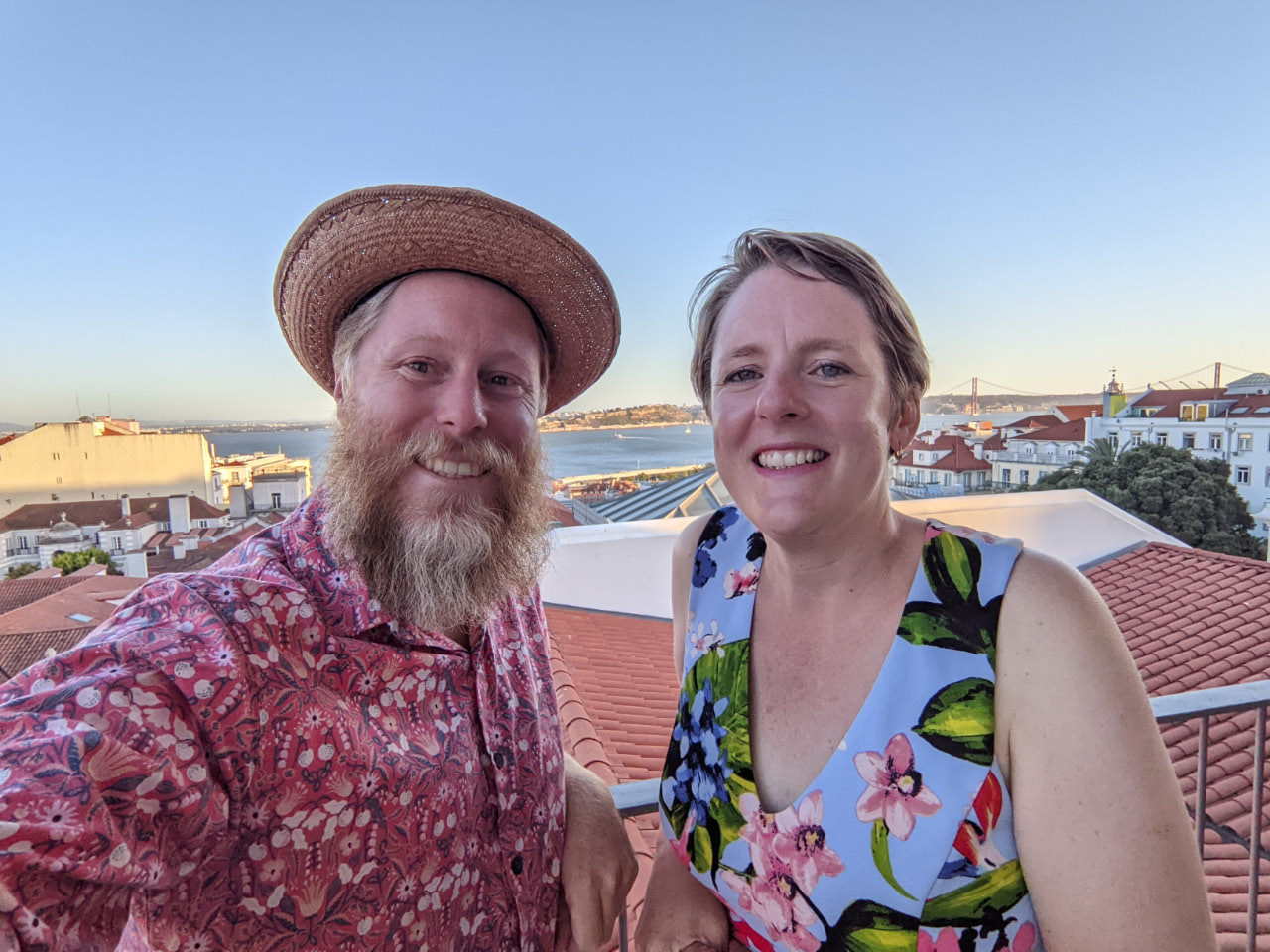
Our next day in Lisbon was sightseeing, or rather taking advantage of the many high points in the hilly, coastal city. With day tickets for public transport we set off to see the miradouros or viewpoints. Steph, as usual, was our leader, determining the best route to take as much in as possible.
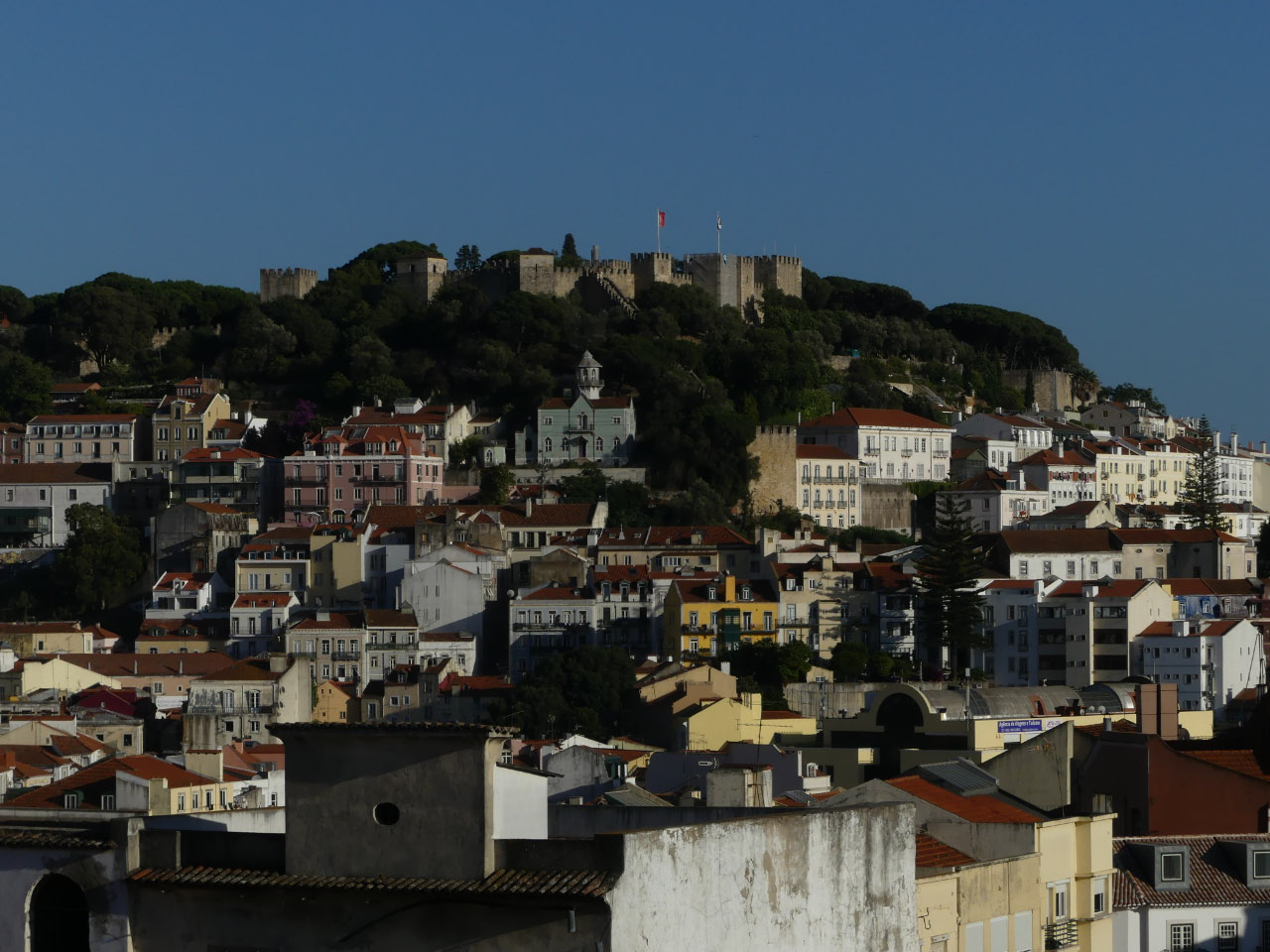
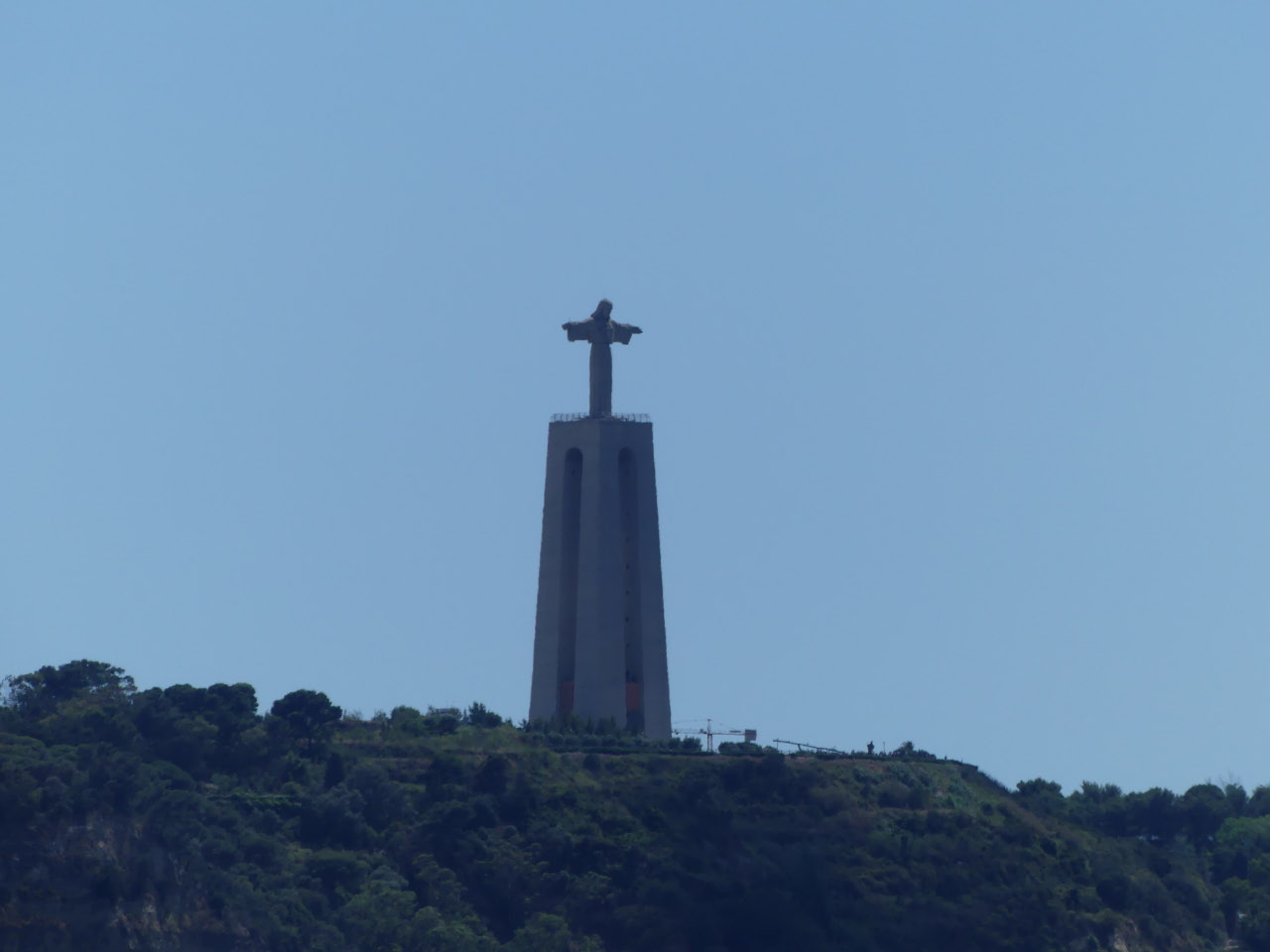
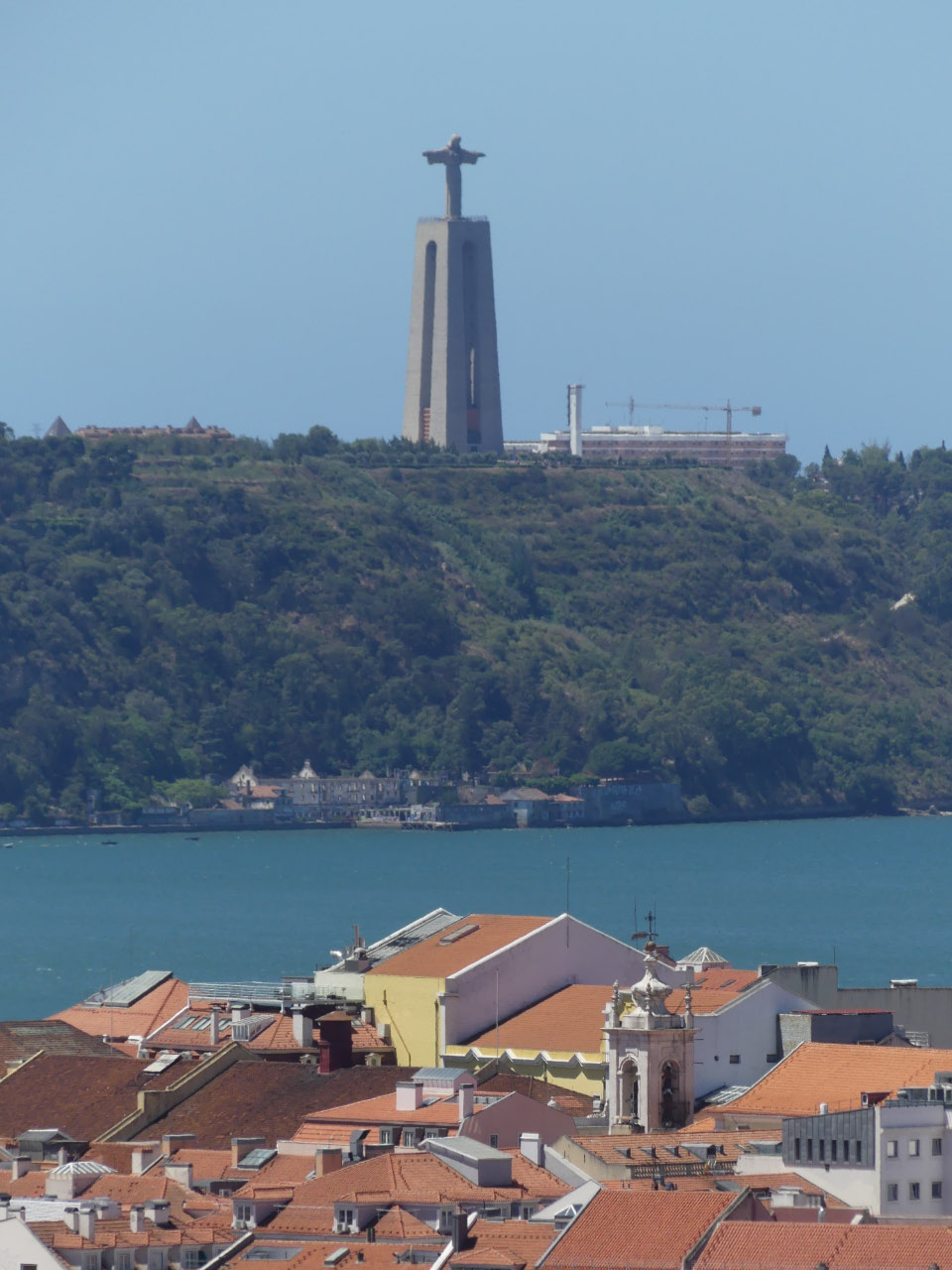
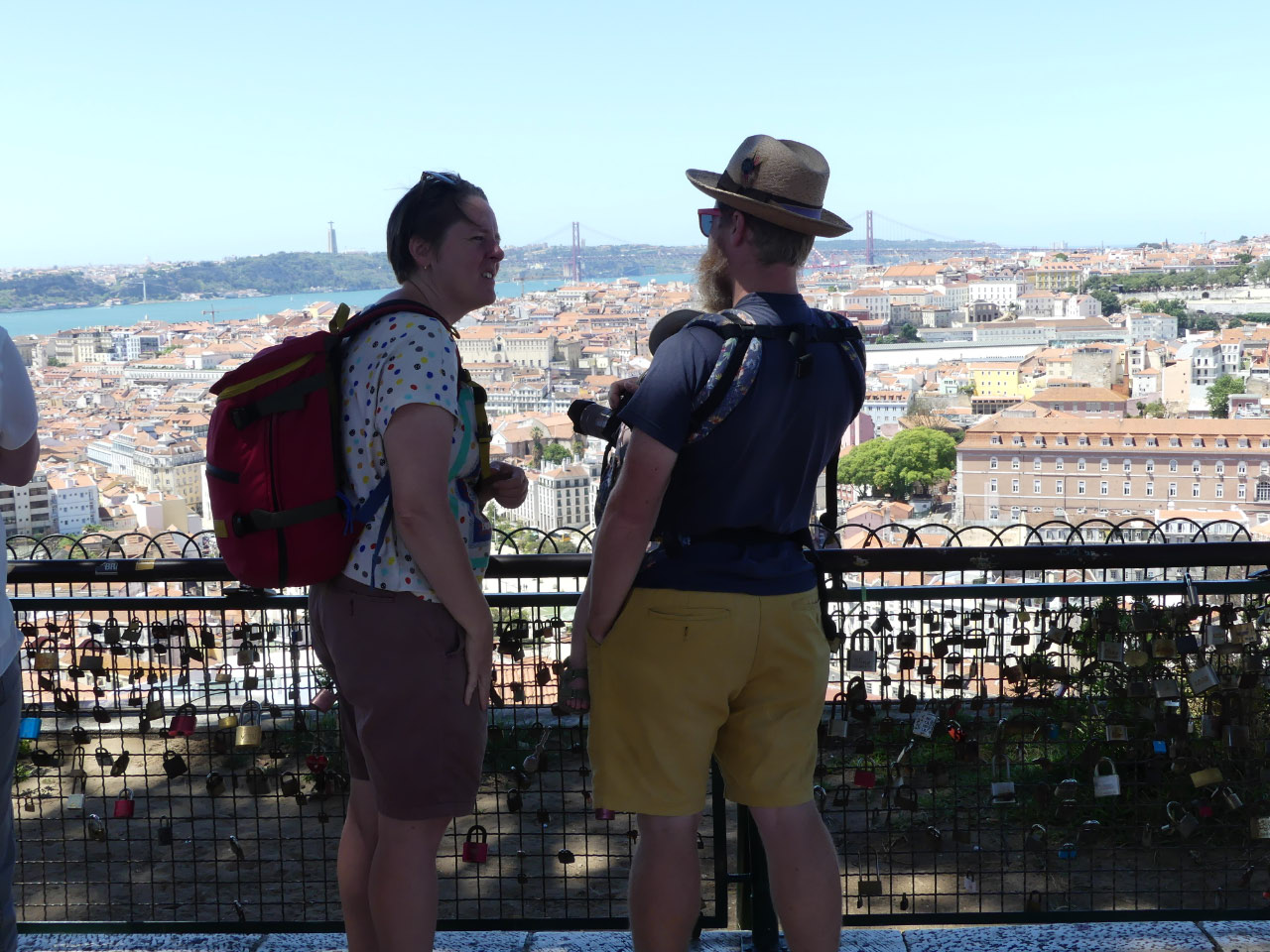
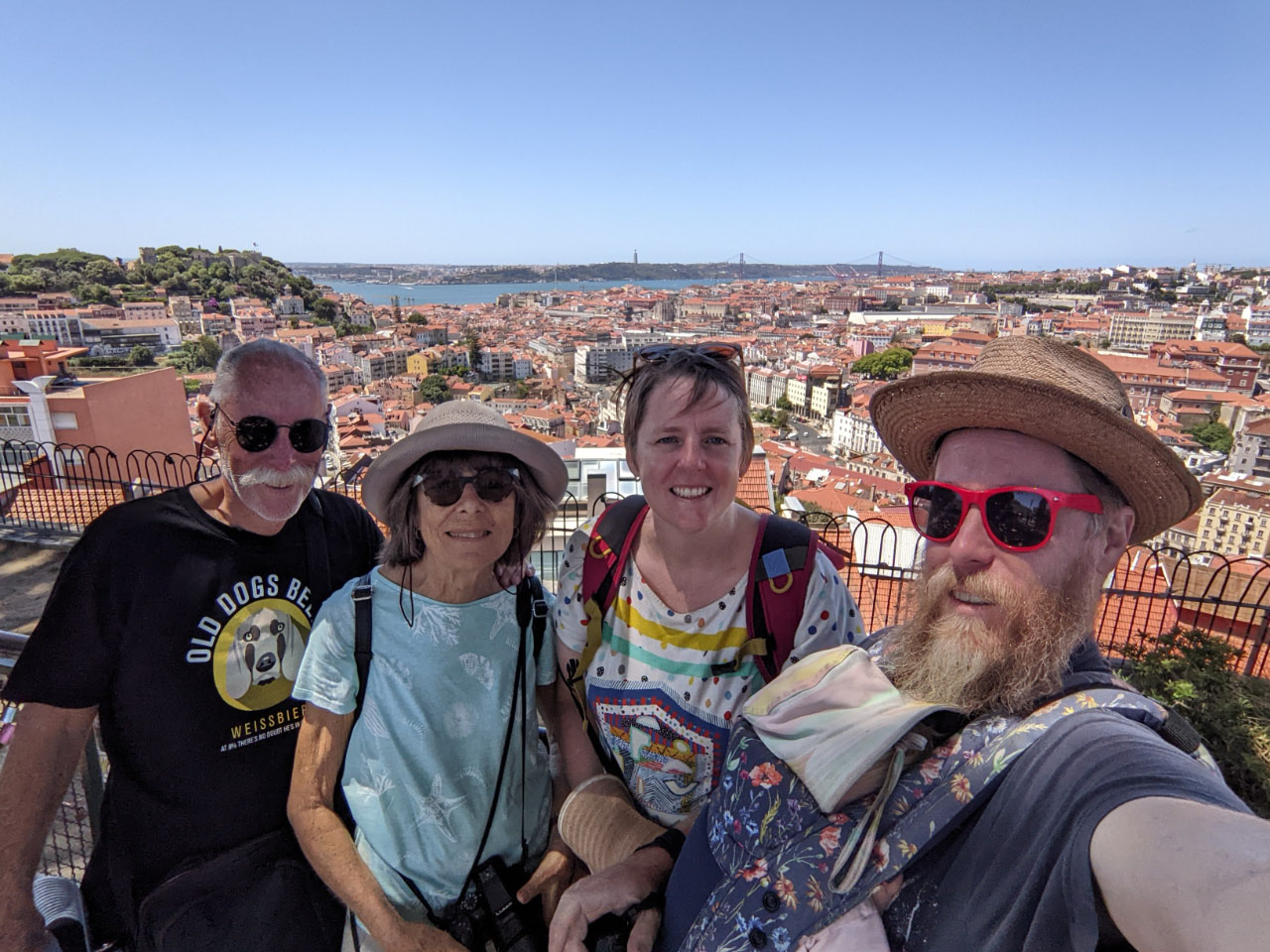
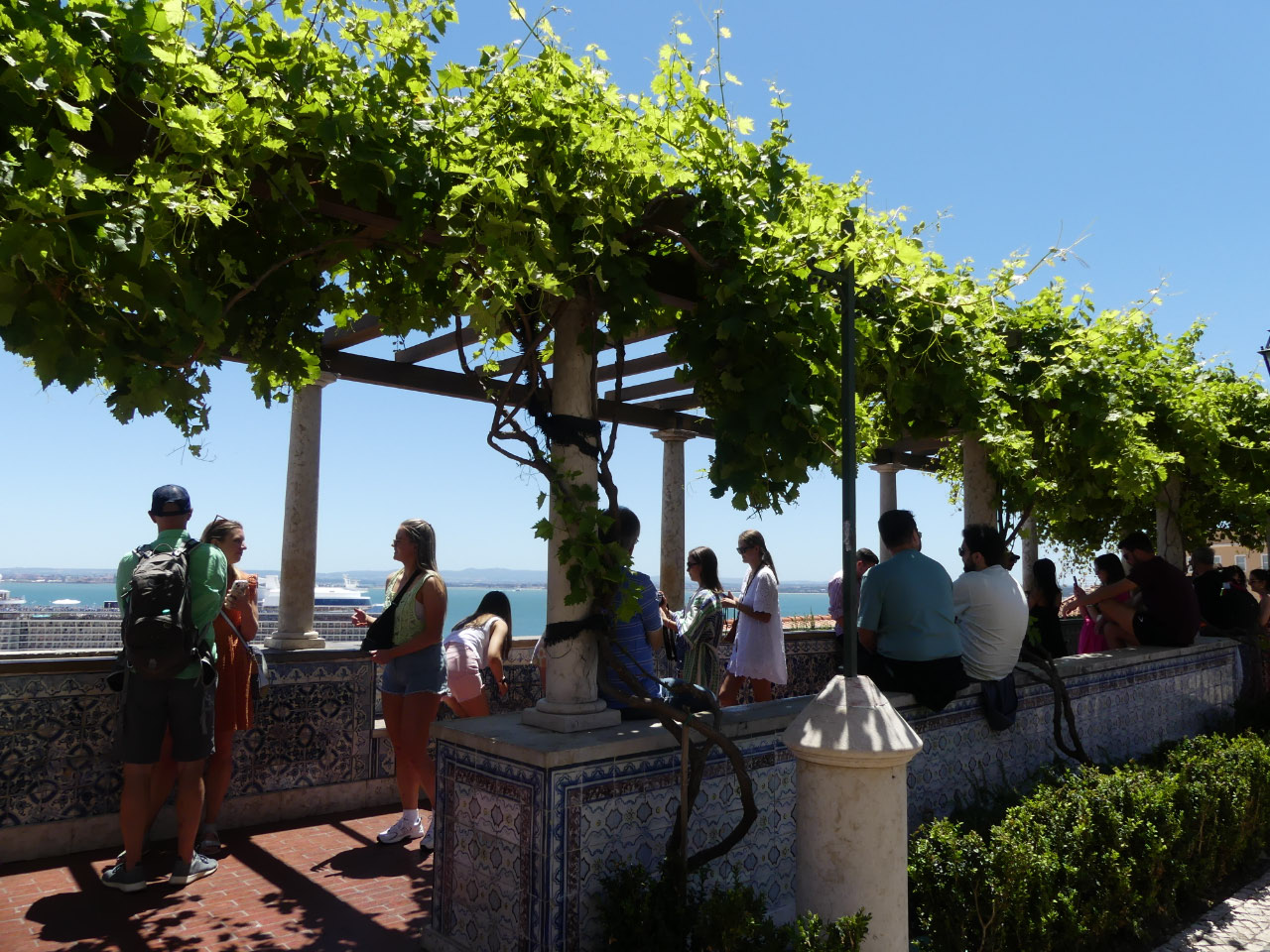
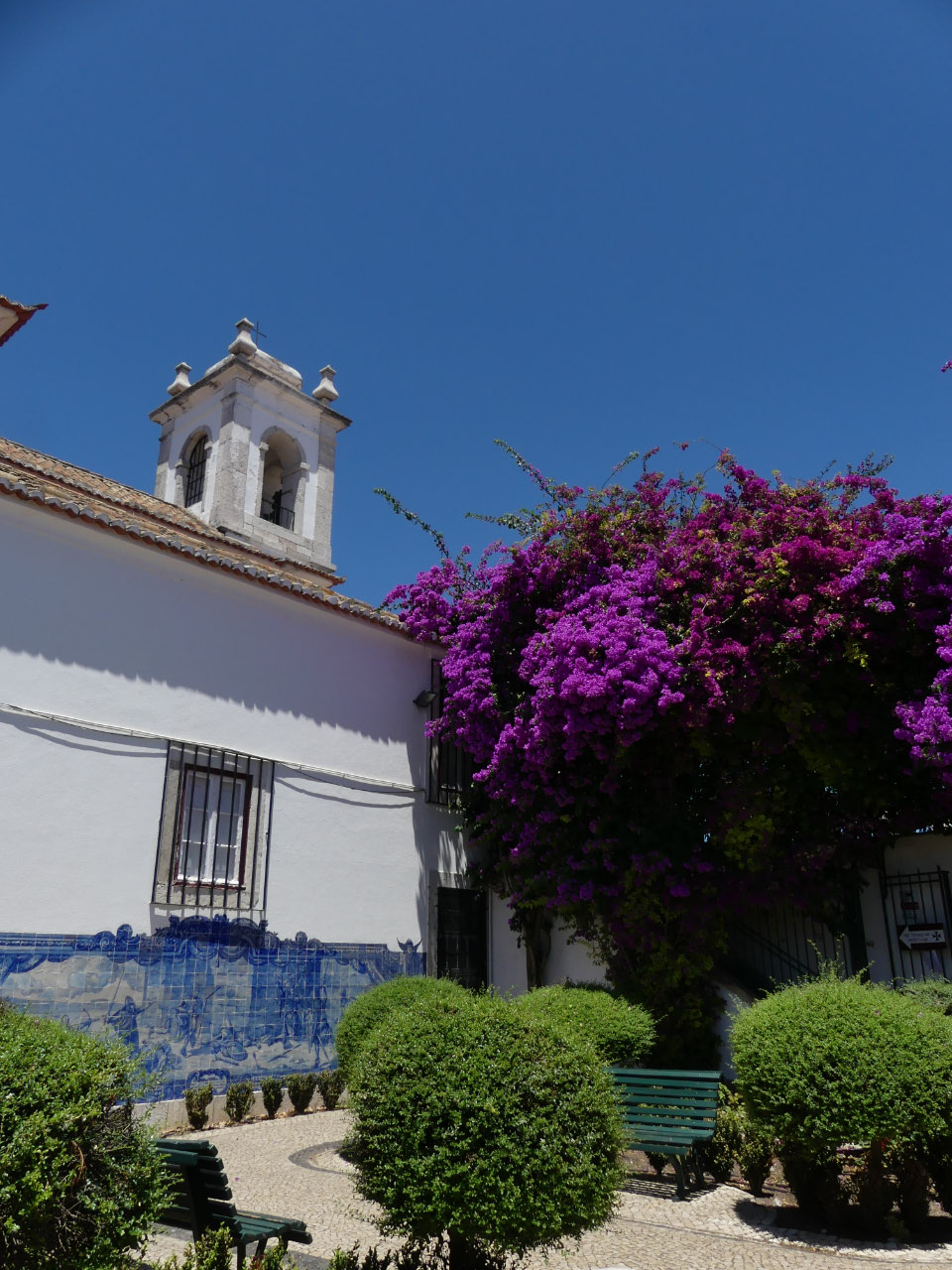
The Miradouro da Senhora Monte (Viewpoint of the Lady of the Mount) provided a wonderful view over Lisbon, taking in the Castelo de São Jorge (Castle of St. Jorge), and the Ponte Vinte e Cinco de Abril (25 April bridge) with the massive Santuário de Cristo Rei a Catholic statue dedicated to the Sacred Heart of Jesus Christ, inspired by Rio’s Christ the Redeemer.
The Miradouro da Graça (Grace Viewpoint) also afforded wonderful views over Lisbon, but didn’t seem to have the charm of the Miradouro da Senhora Monte. It had been a long morning and by 3pm, a perfect time for a late Portuguese lunch of barbequed sausage, bread and very very cold beer.
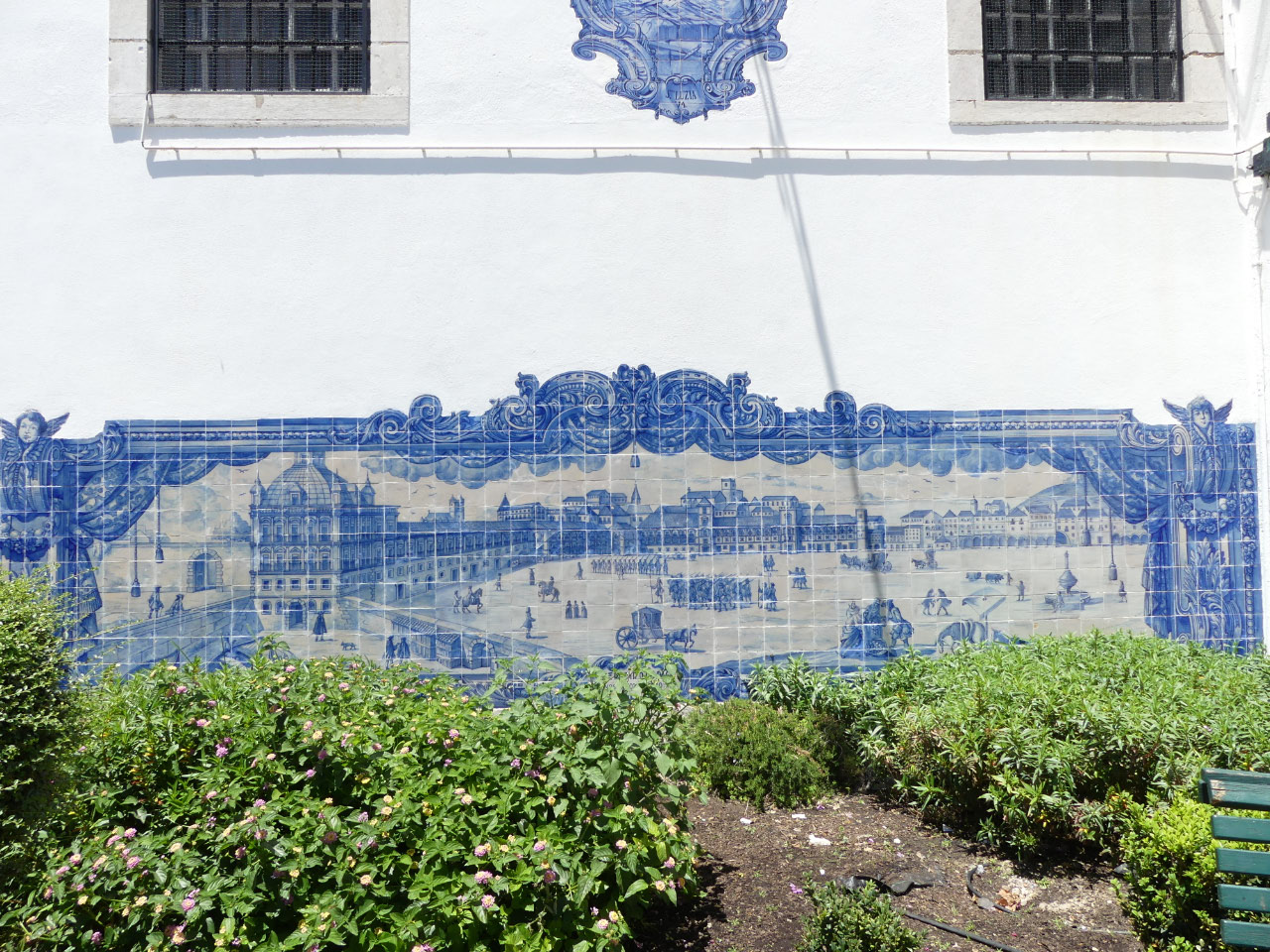
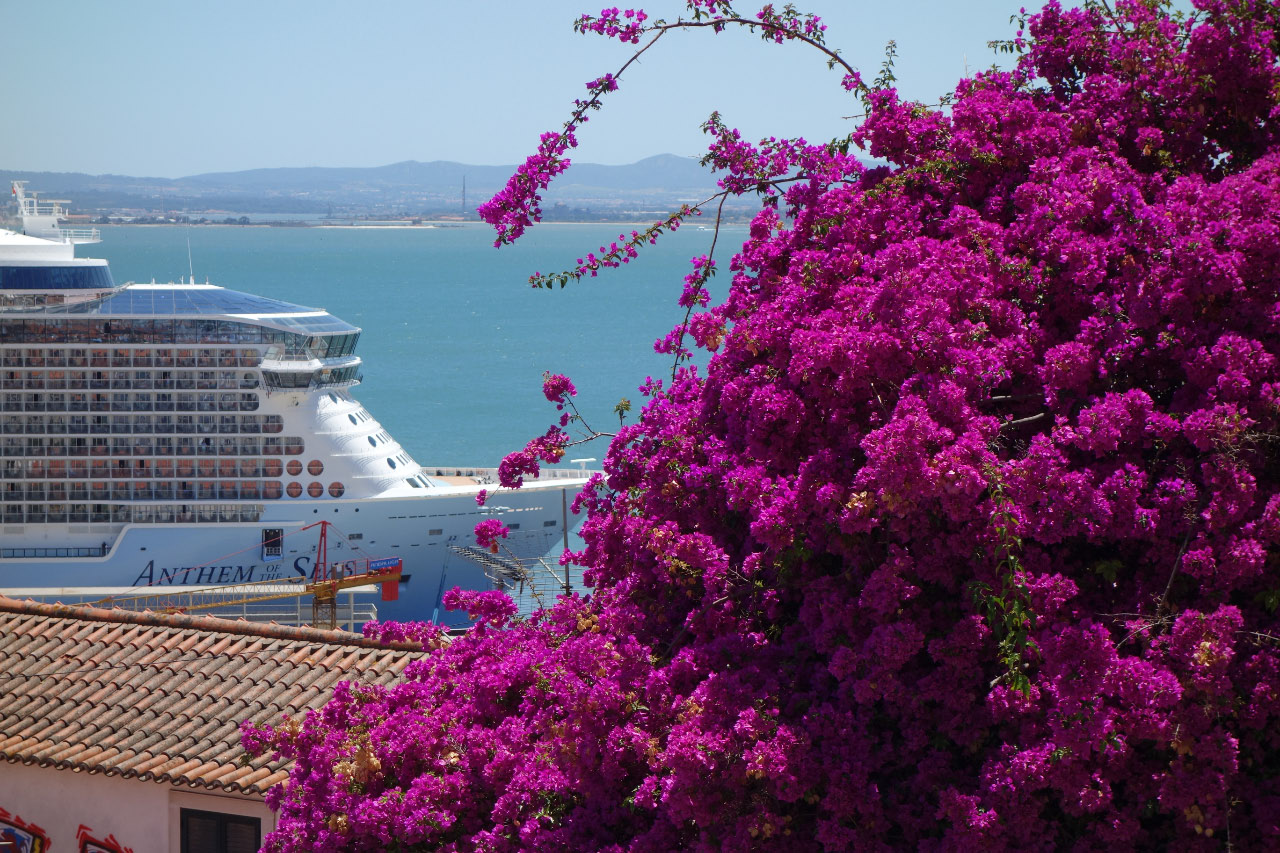
Downhill was the Miradouro de Santa Luzia with views over the Tagus river. It is in this area that the cruise ships berth, and there was no shortage of them. A cool sea breeze was also welcome.
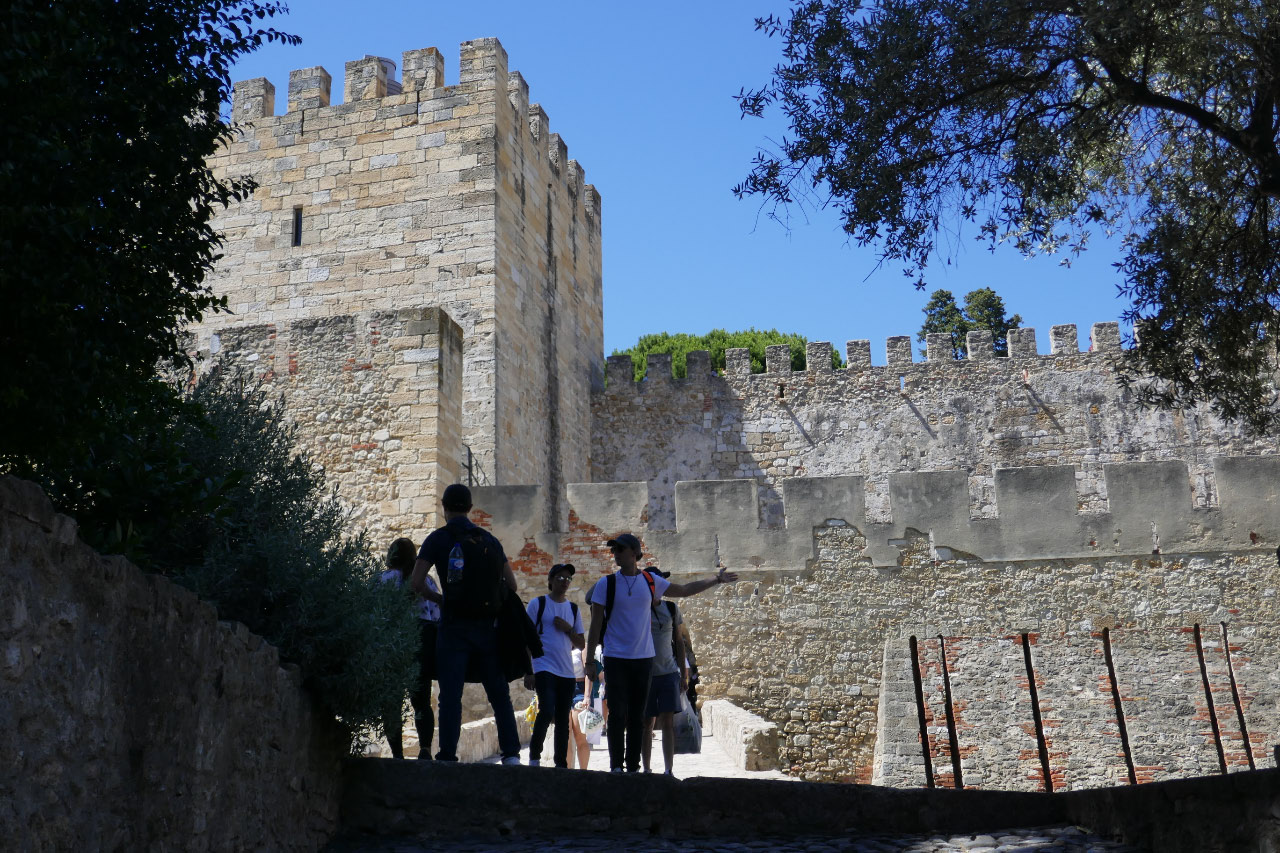
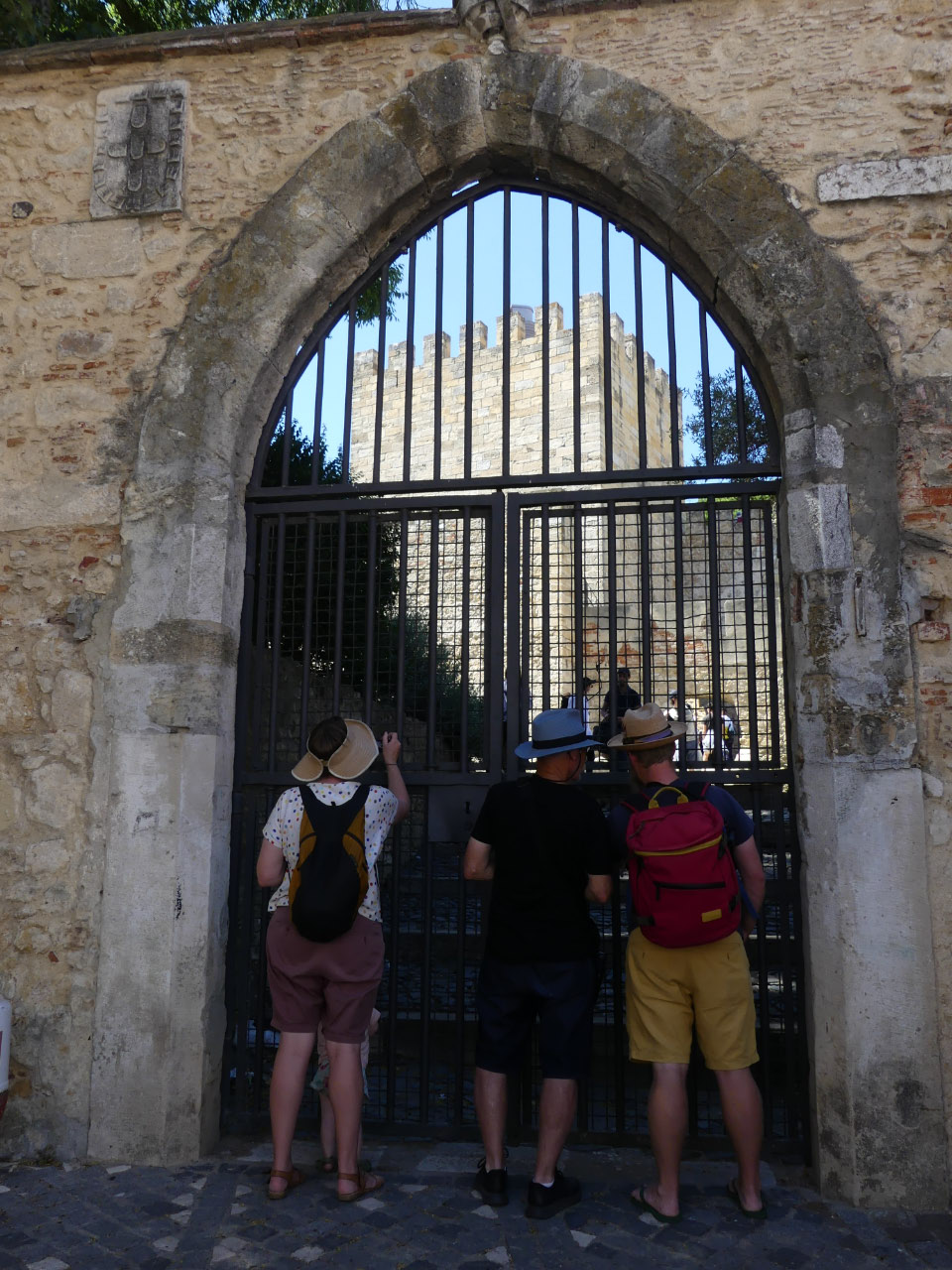
Our last port of call for the day was the Castelo de São Jorge, but the queues were long, the afternoon was hot and a certain little person was on the edge of abandoning us all. There was even a suggestion in the guide books that an expensive visit wasn’t value for money.
The Castle of St. Jorge was part of Lisbon’s defence system for many years, however the current version is attributed to the period of reconquest of Lisbon in the 13th century.
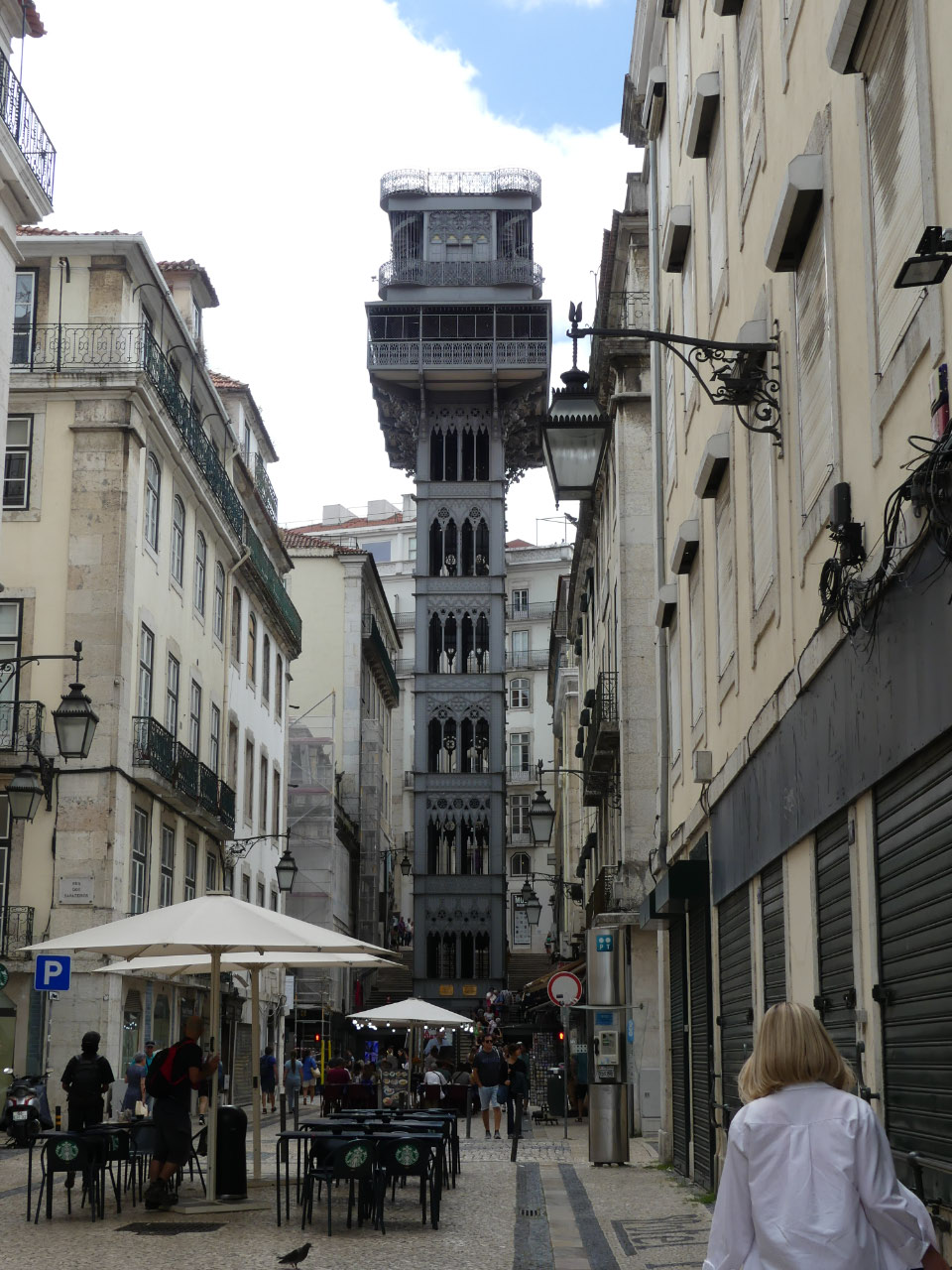
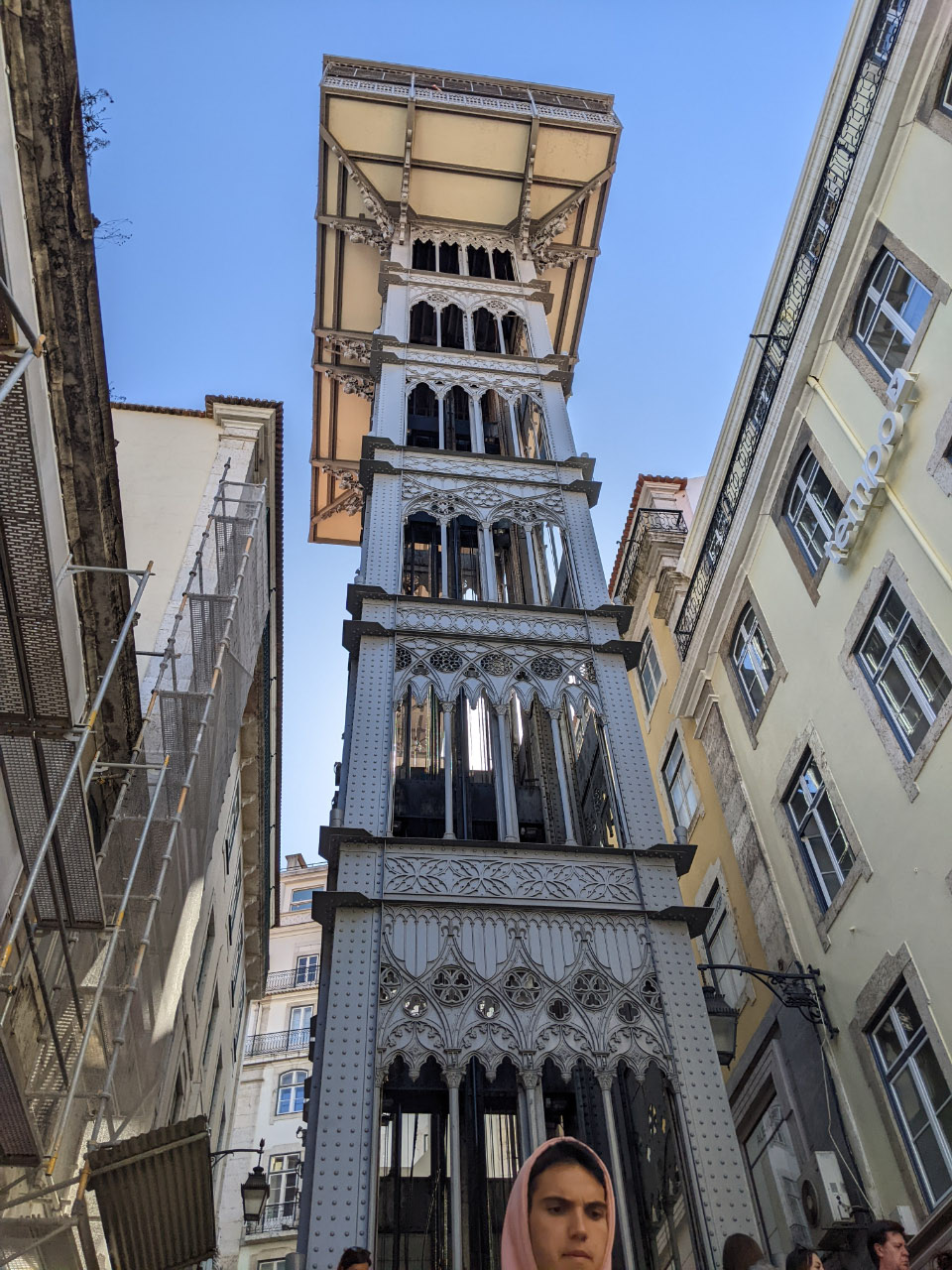
After one final attempt to ascend the 1902 Santa Justa Lift failed us because of long queues, we headed home. Bruce and I were on grandies duty, so Evan and Steph could have a romantic, childless night out to celebrate a recent anniversary.
Although a little distressed, A settled down quickly. A facebook video of the Seahorses Waltz from the Melbourne Zoo was our saving grace.
We had set aside a visit to Belem for our last day. That meant negotiating a train ride. I always feel proud when I manage to ‘tame’ the local transport system.
Organising four adults and one non-adult takes time, so it was lunch time for a little person when we arrived. Portugal runs on Mediterranean time, so the slow start to the day fitted in.
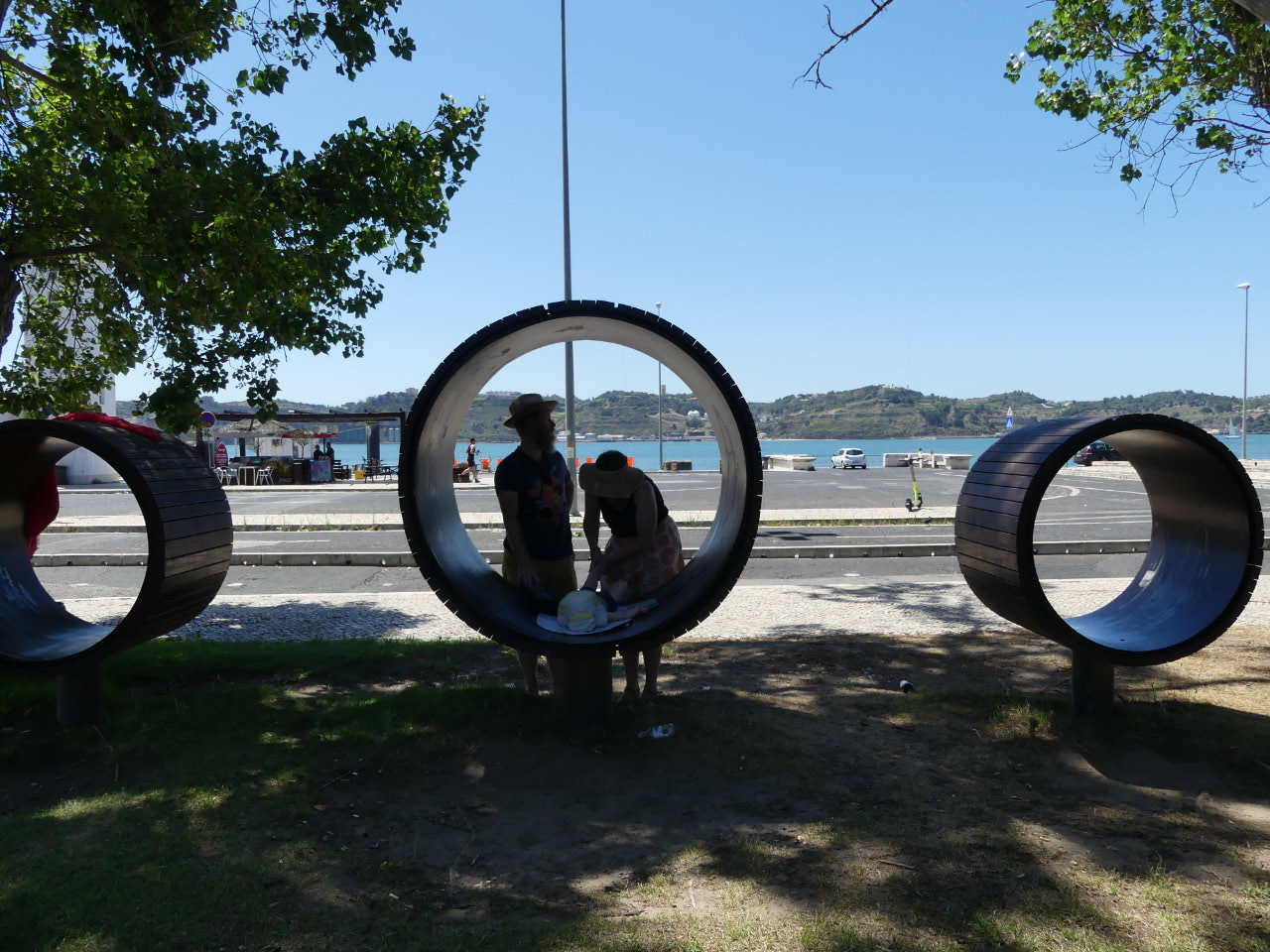
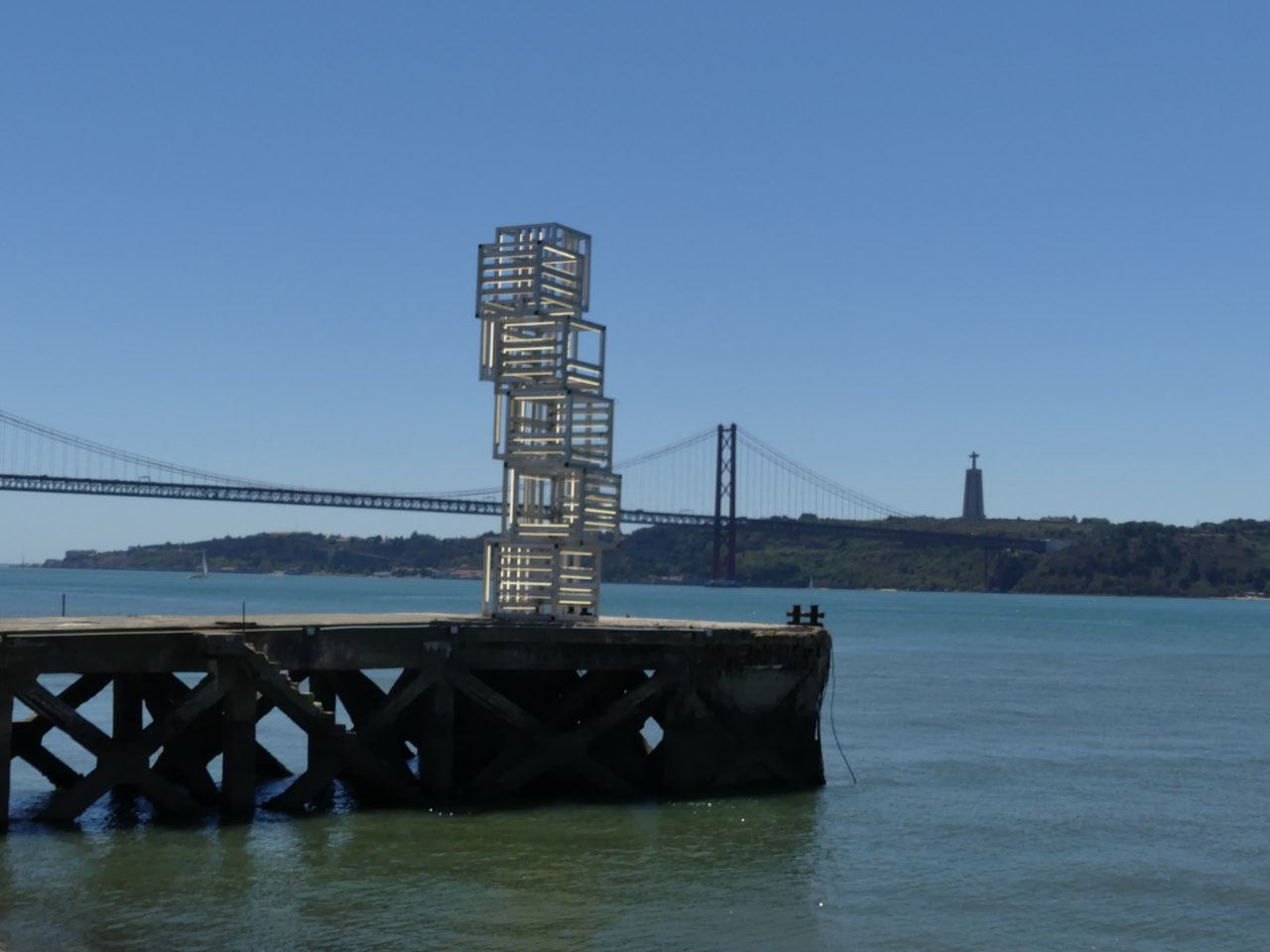
We then meandered along the waterfront, where we got spectacular views of the 25 April Bridge and some interesting installations of artwork.
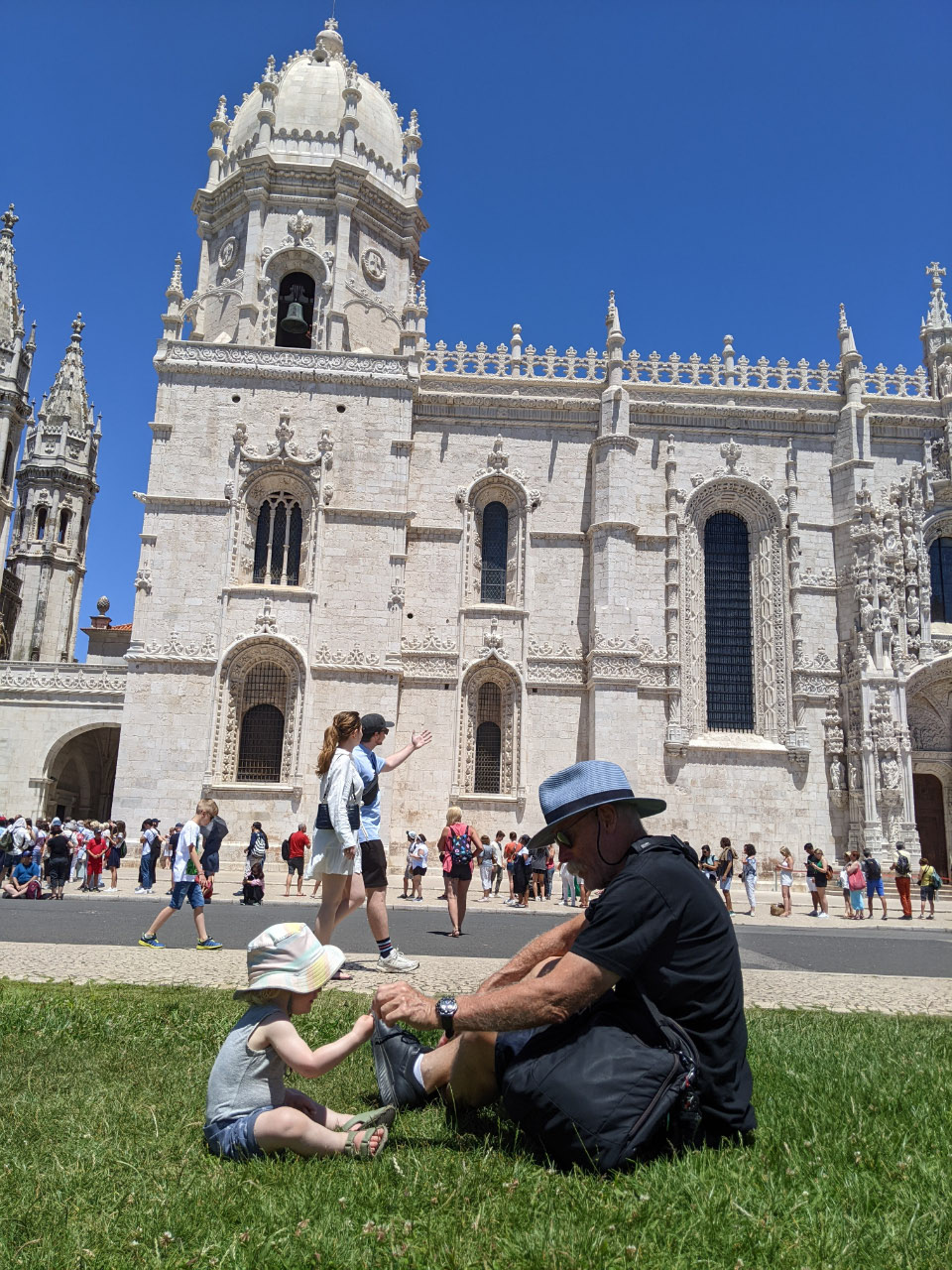
The queue, as usual, was long to the Jerónimos Monastery, but Bruce and A entertained themselves on a grassy patch while Evan, Steph and I took it in turns in the queue.
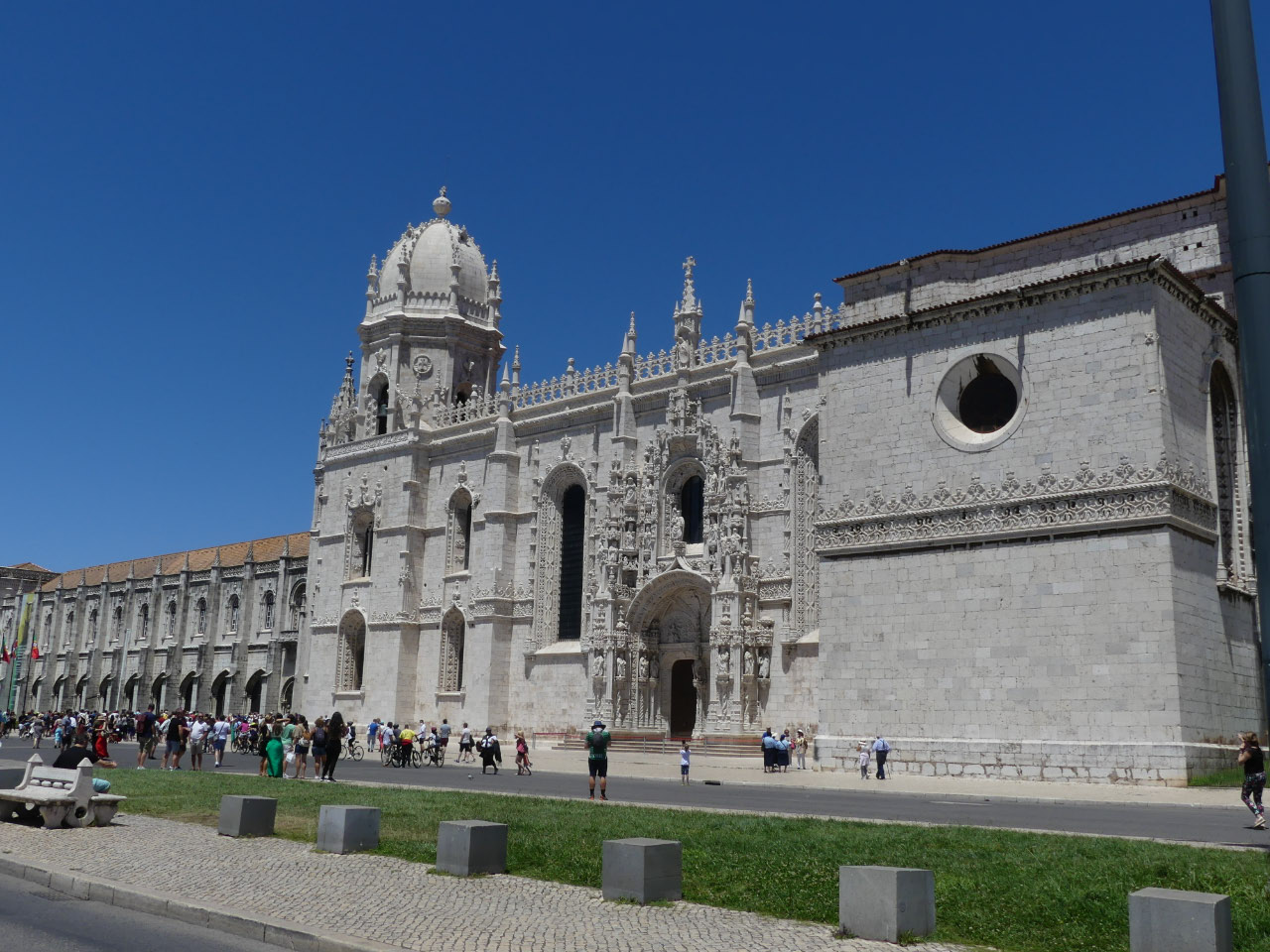
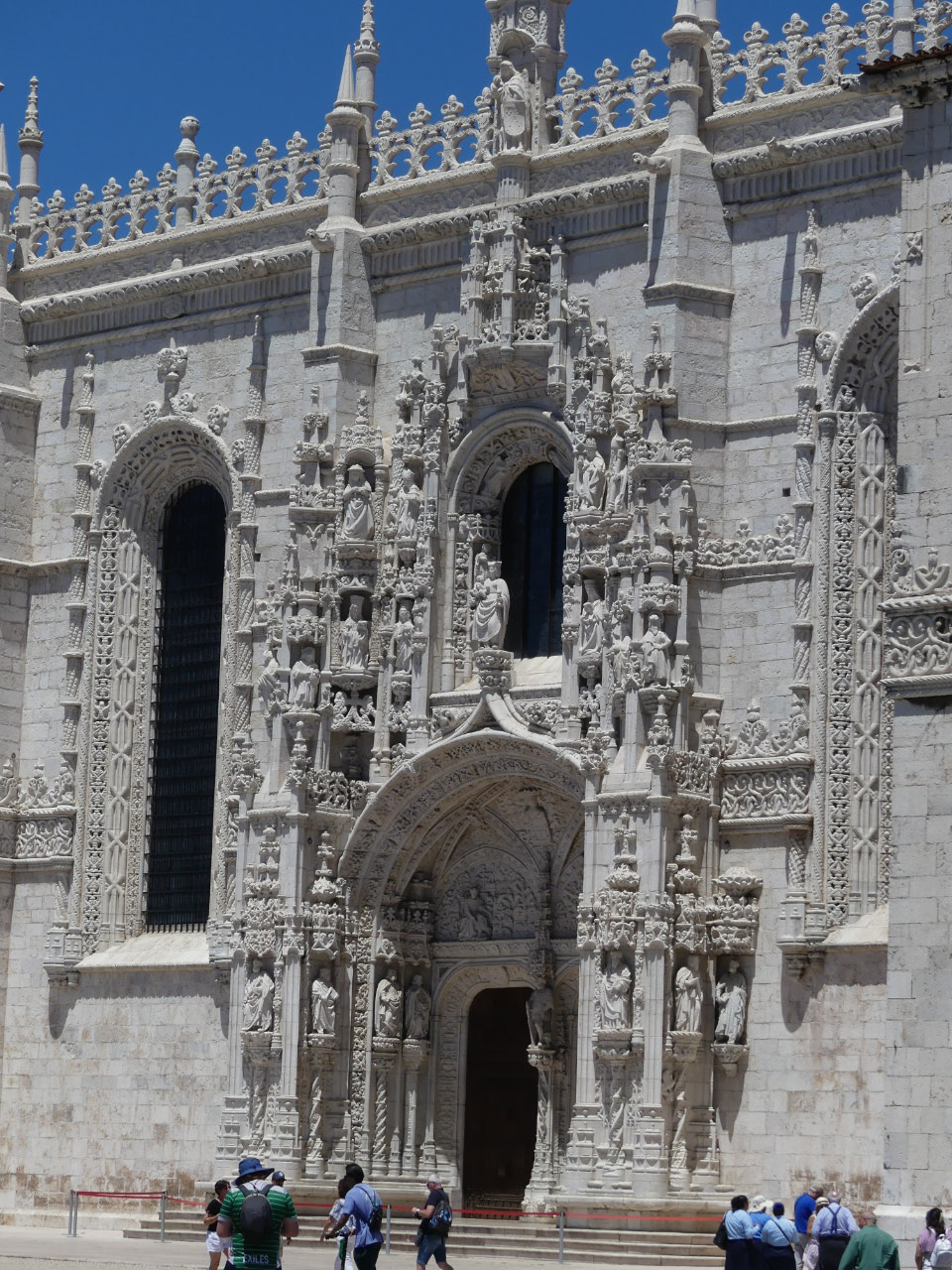
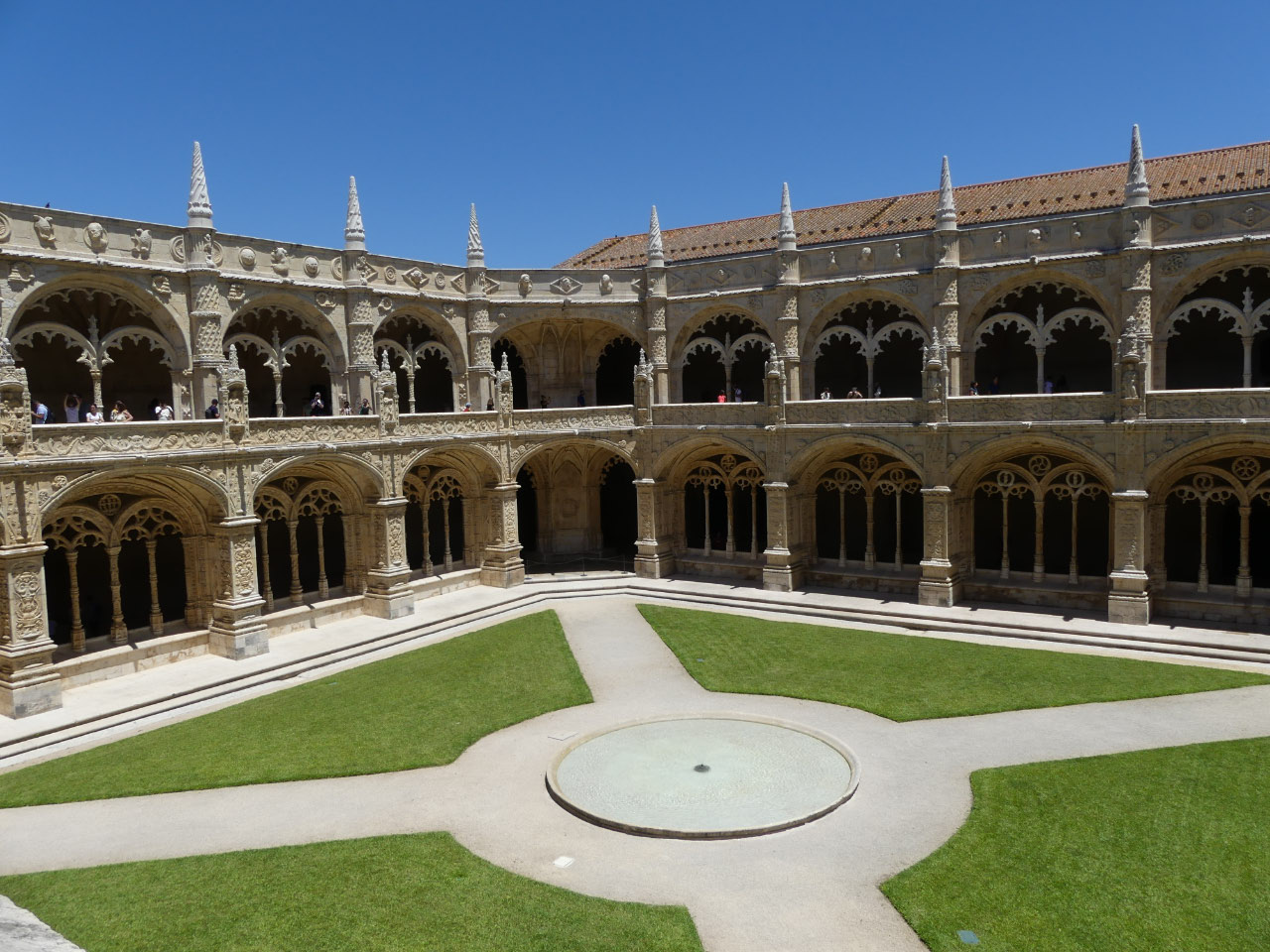
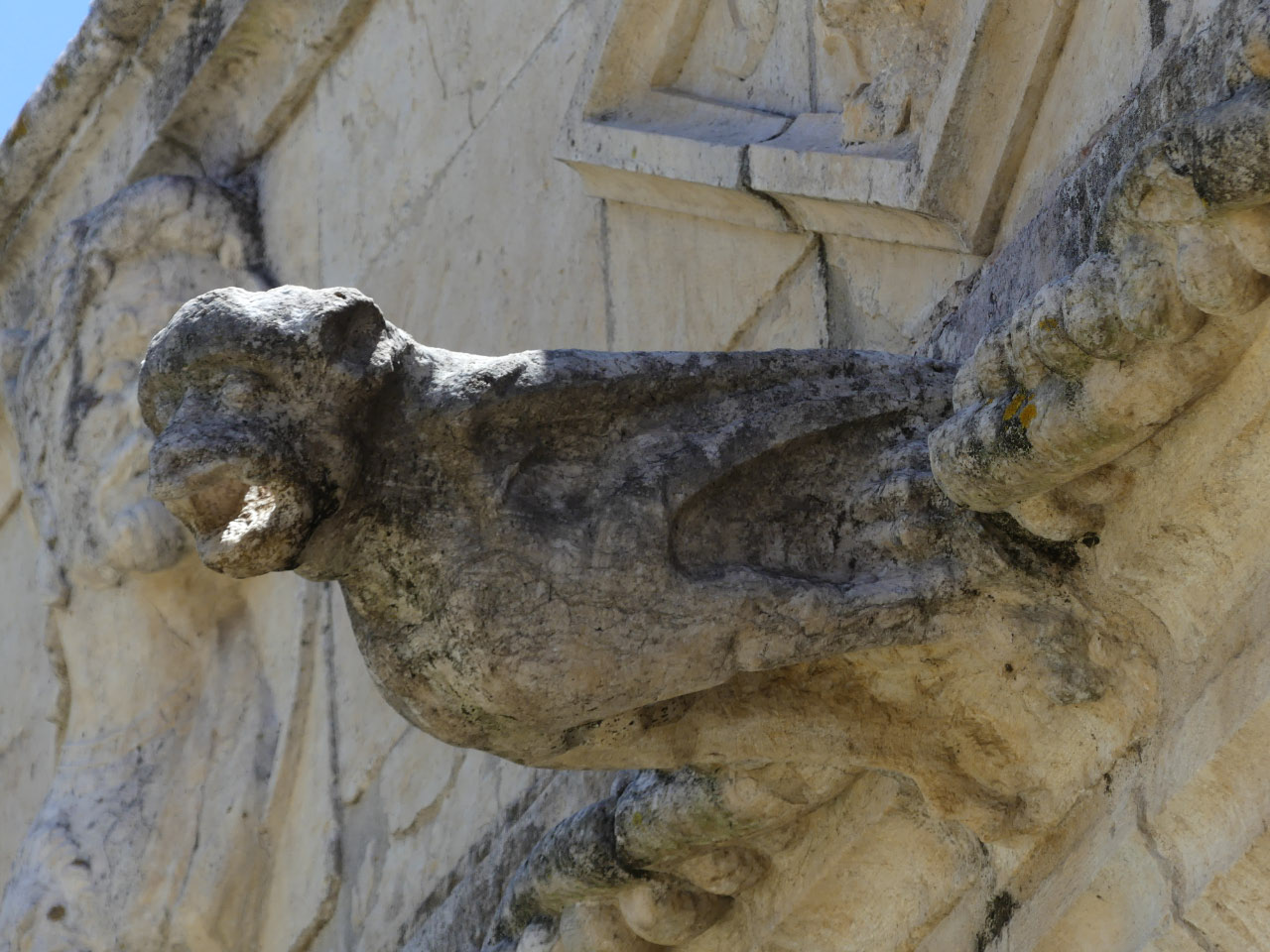
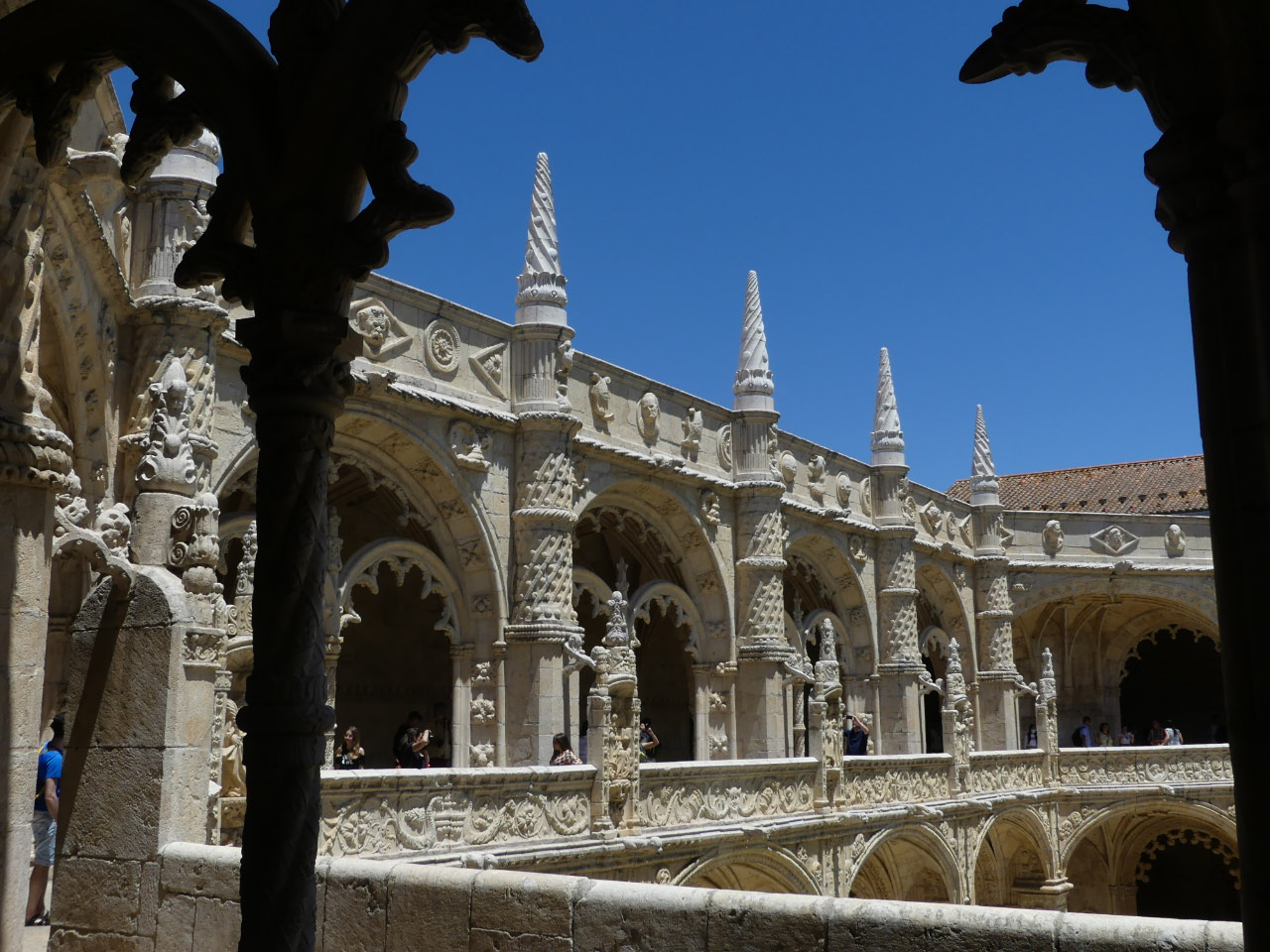
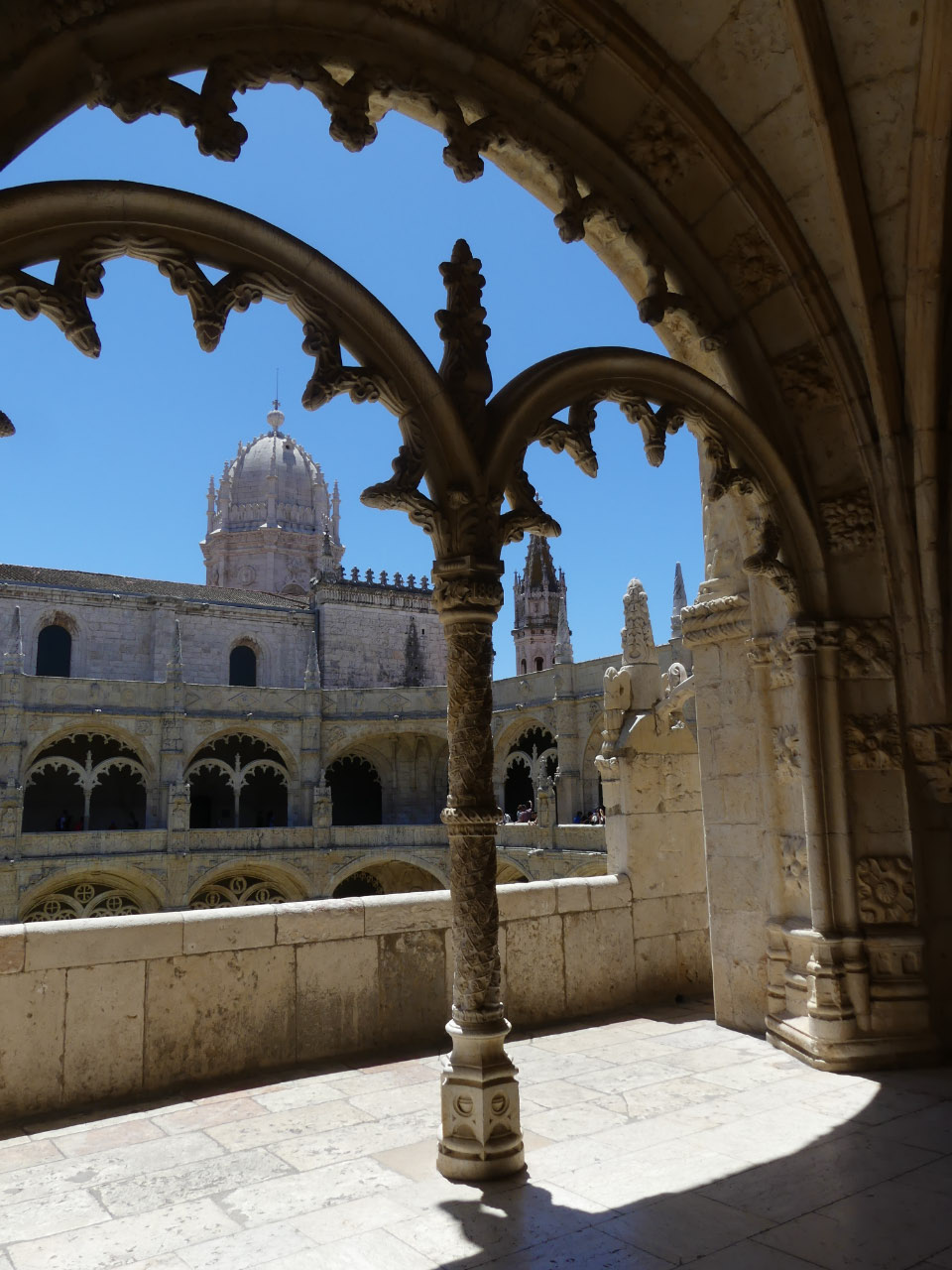
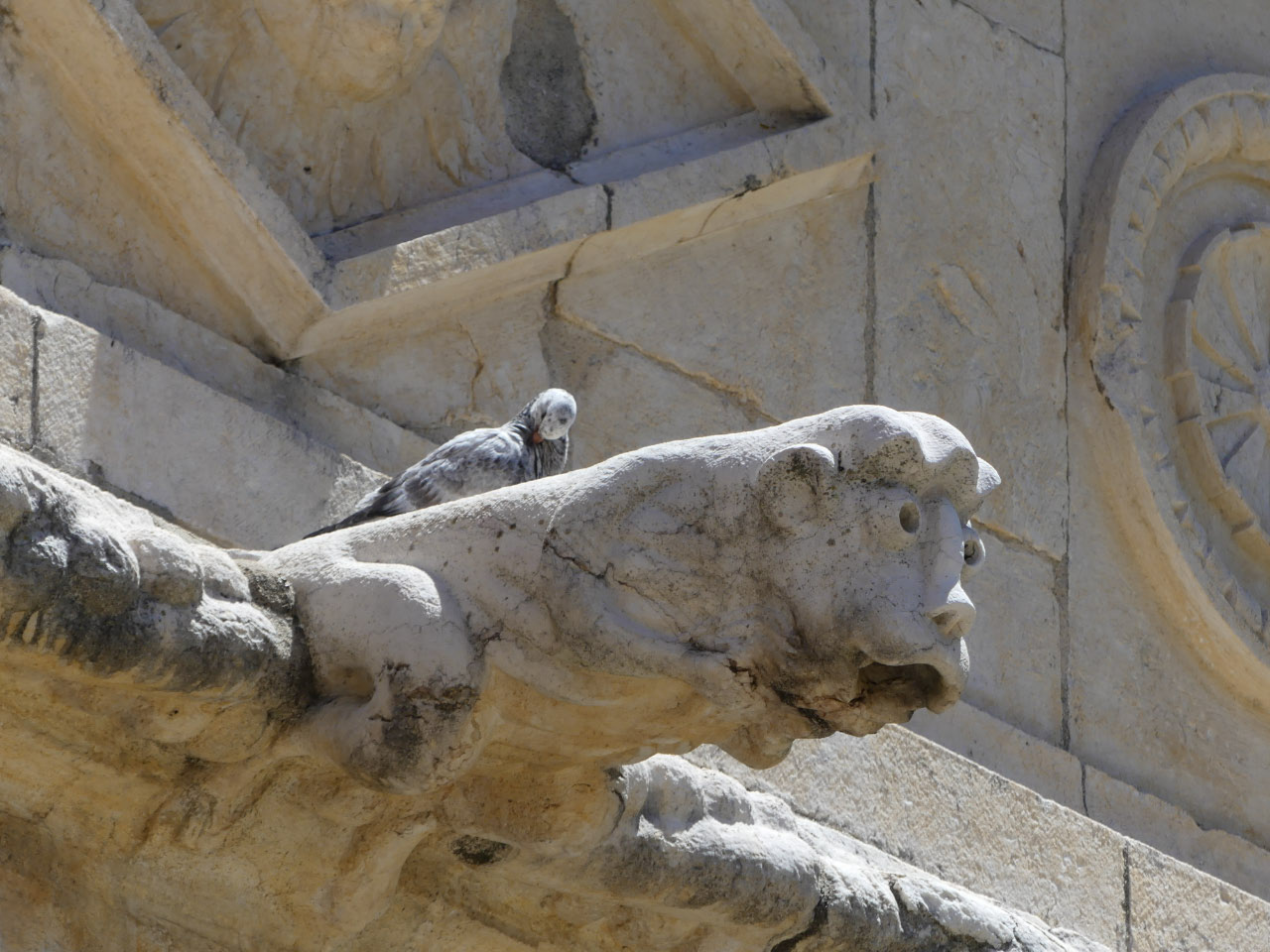
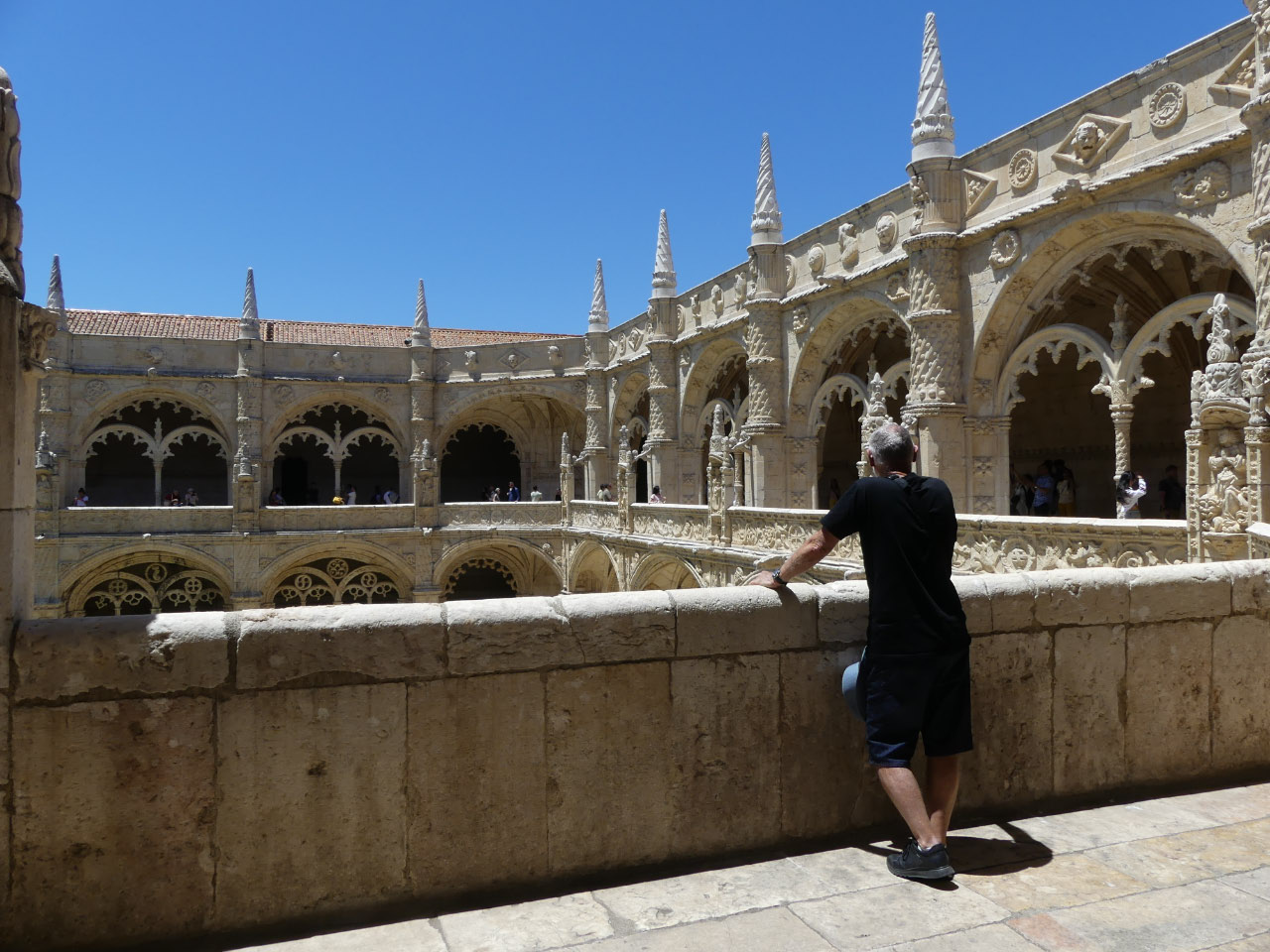
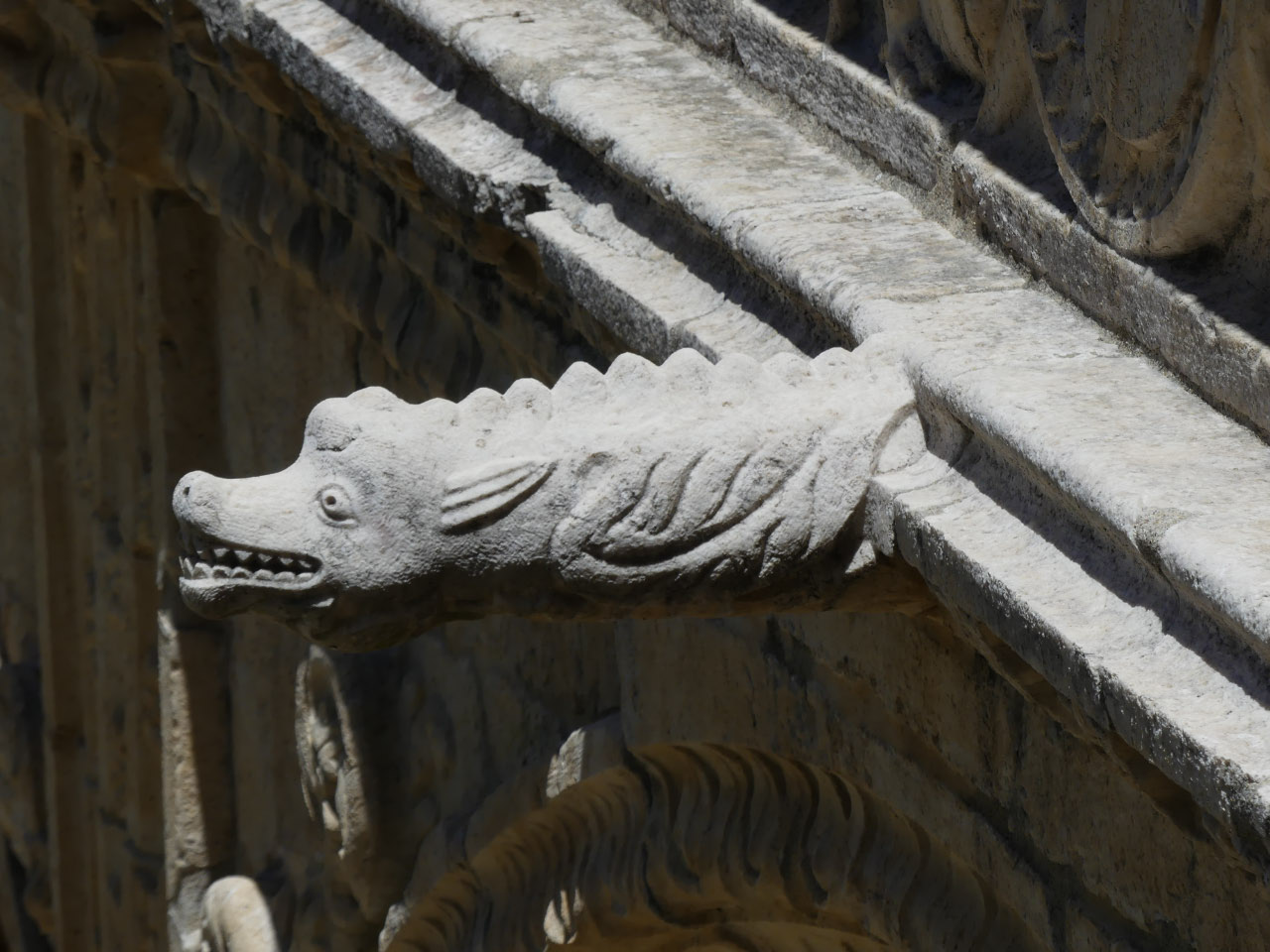
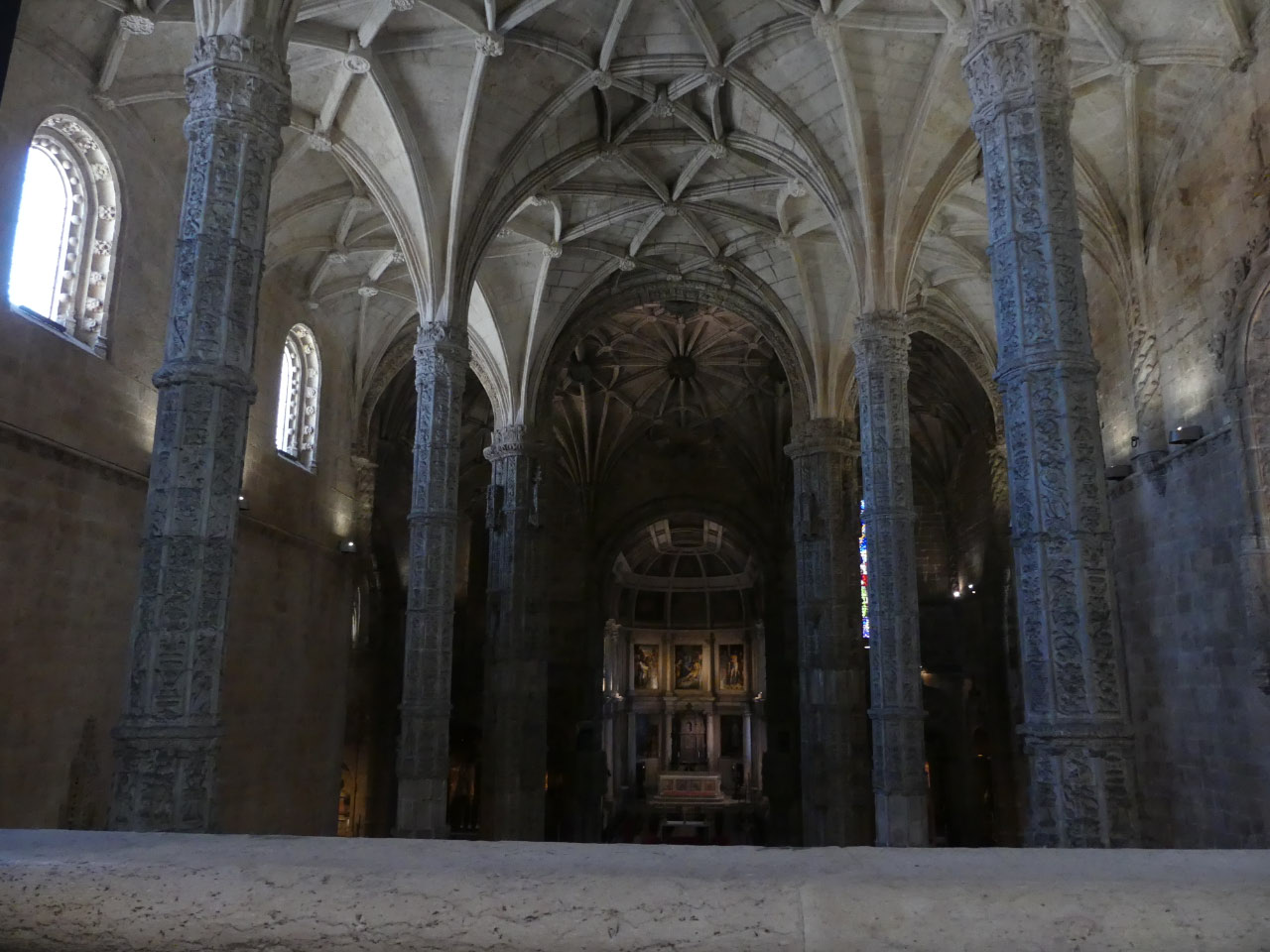
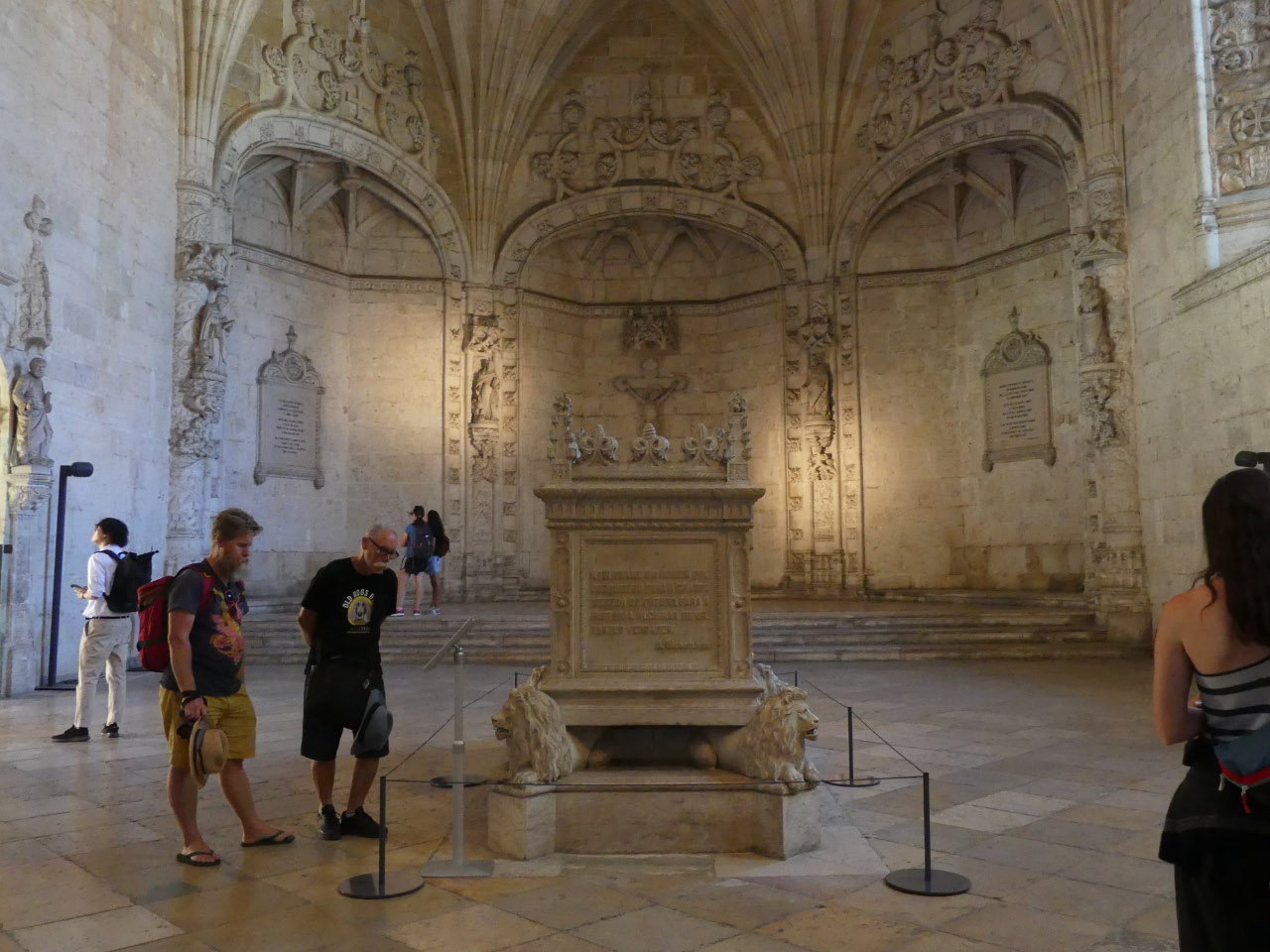
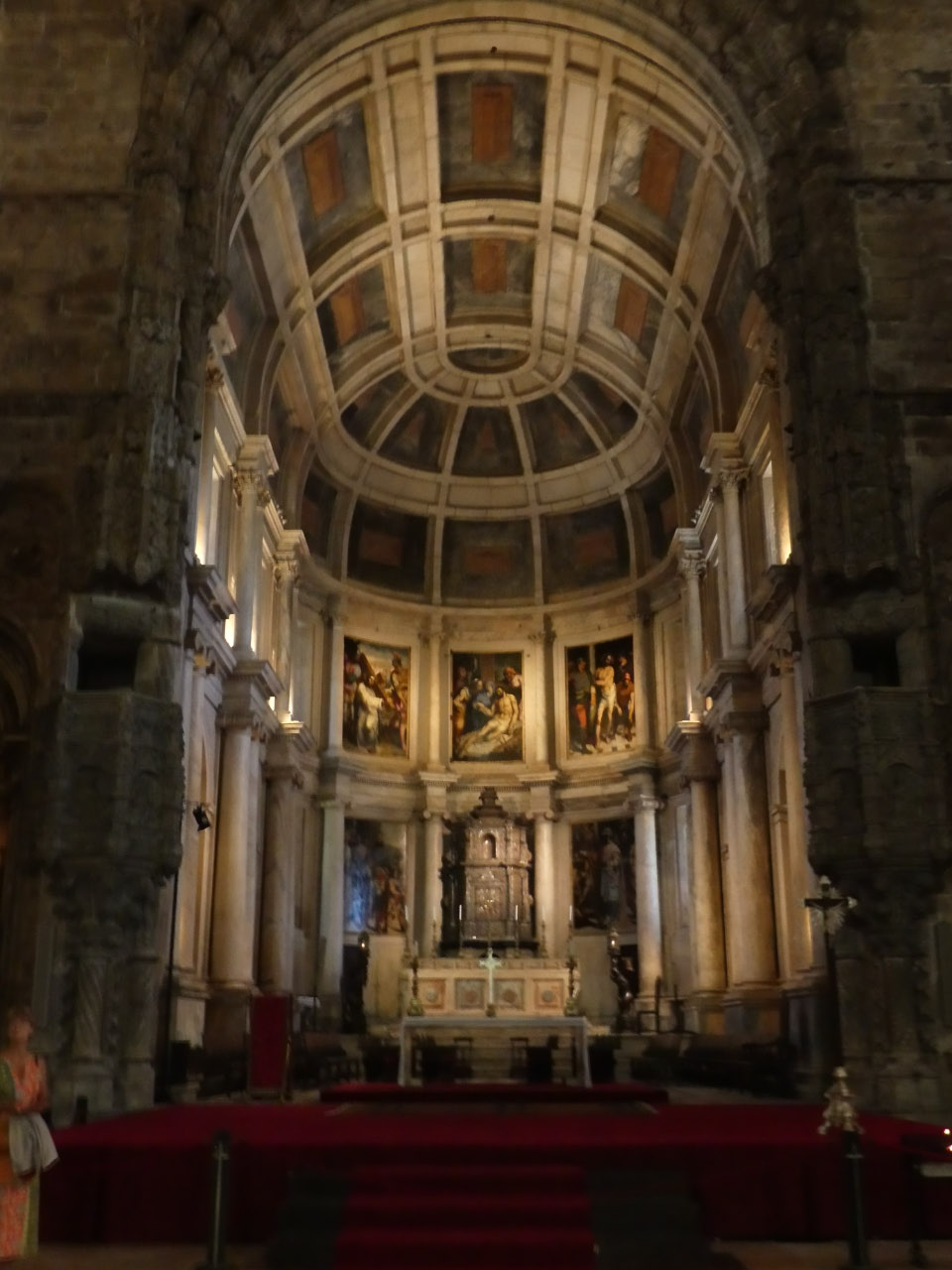
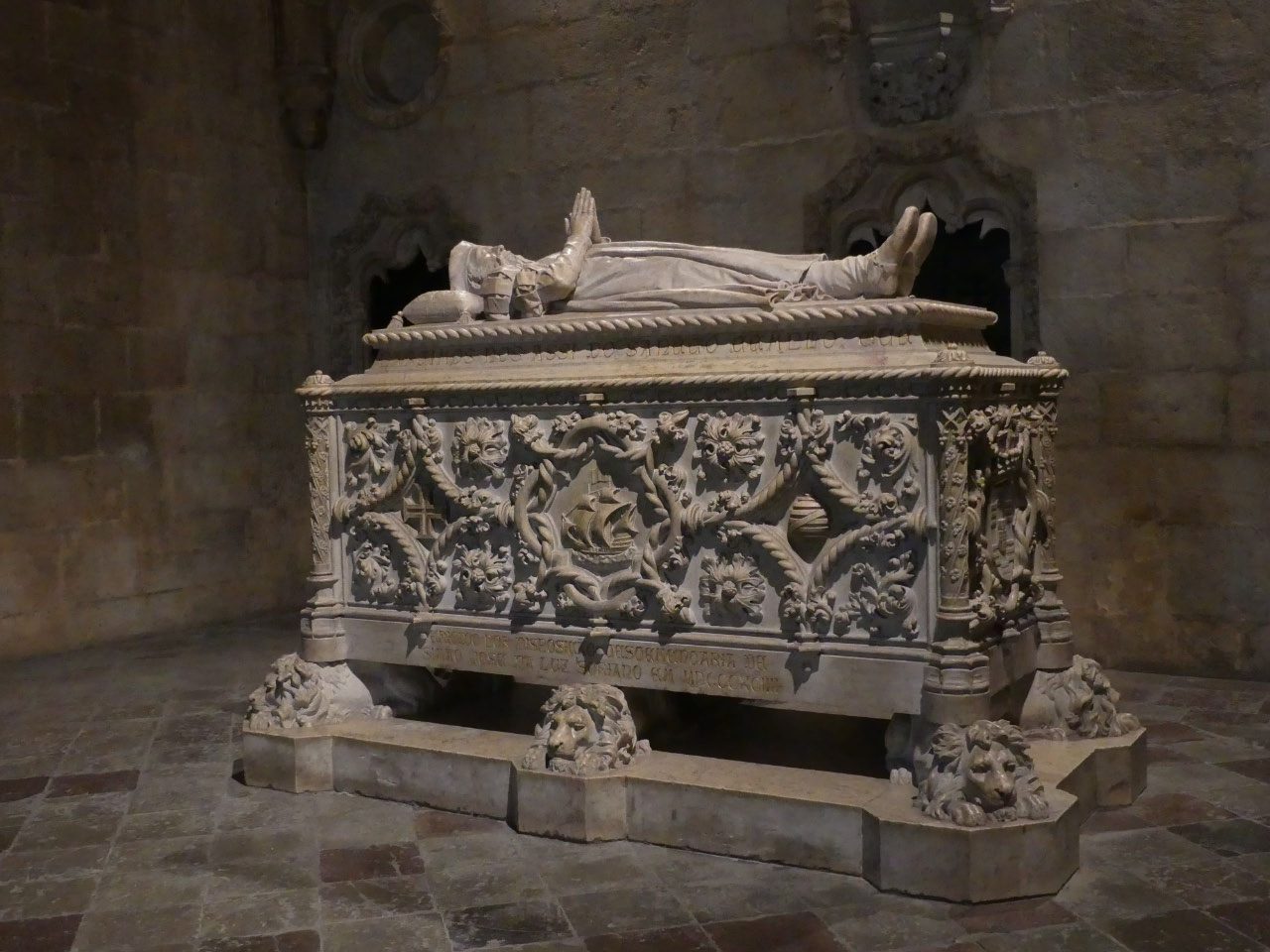
The monastery was magnificent. It is recognised as one of the most prominent examples of the late Portuguese Gothic Manueline style of architecture in Lisbon. It was erected in the early 1500s near the launch point of Vasco da Gama’s first journey.
The original church was dedicated to Santa Maria de Belém, where the monks of the military-religious Order of Christ provided assistance to seafarers in transit. The current monastery commenced construction in the early 16th century and was funded by taxes from imports from the newly discovered (invaded) Africa and the Orient.
There were periods where entry was limited and it became a burial place for Portuguese royalty. In the mid 19th century various remodelling took place, which mostly stands today.
The ornate colonnades took my eye as did the exquisite and spacious Church.
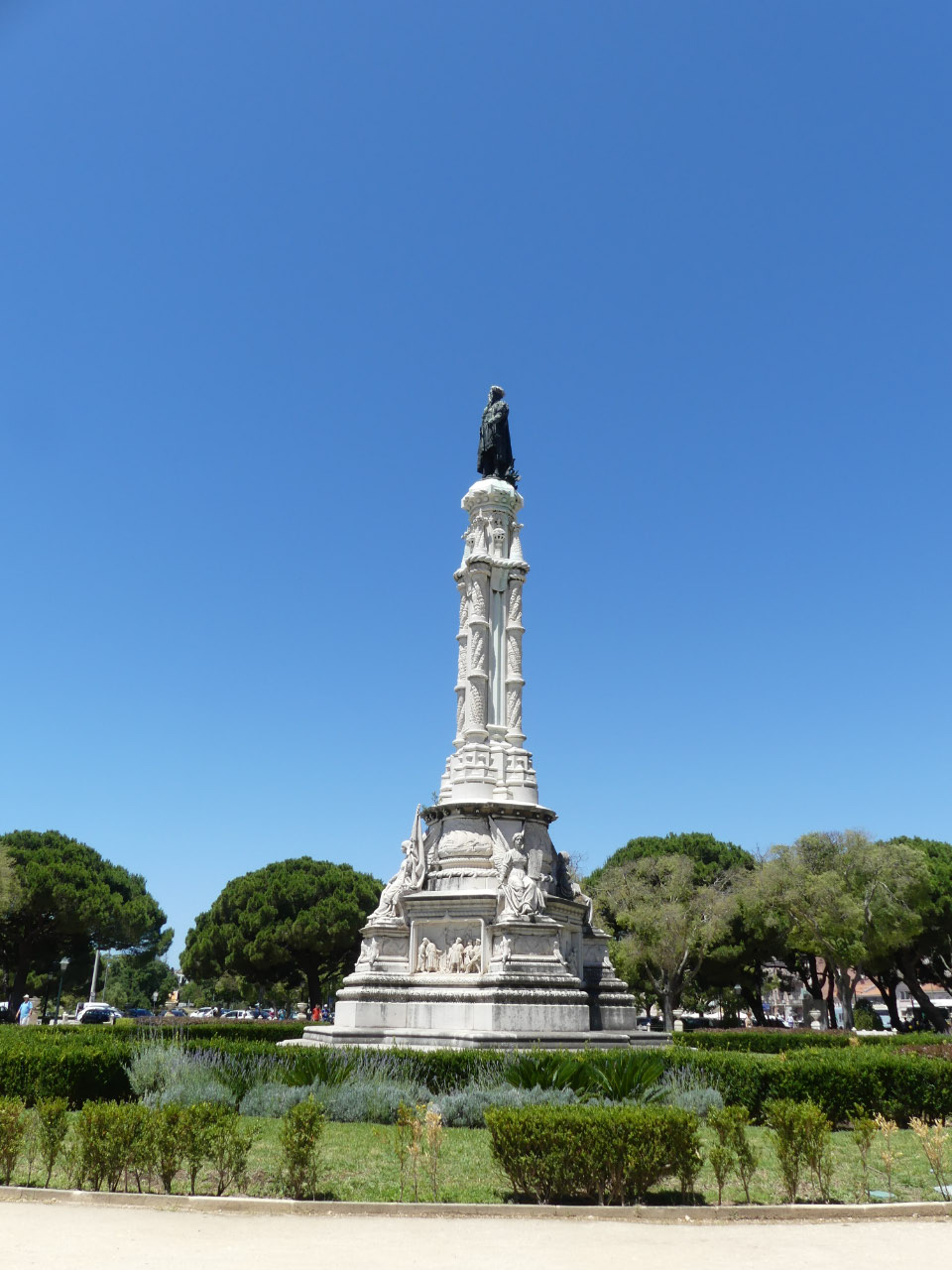
After a brief stop at the pavilion commemorating a 500 year bilateral relations with Thailand we headed to the Padrão dos Descobrimentos (Monument of Descoveries).
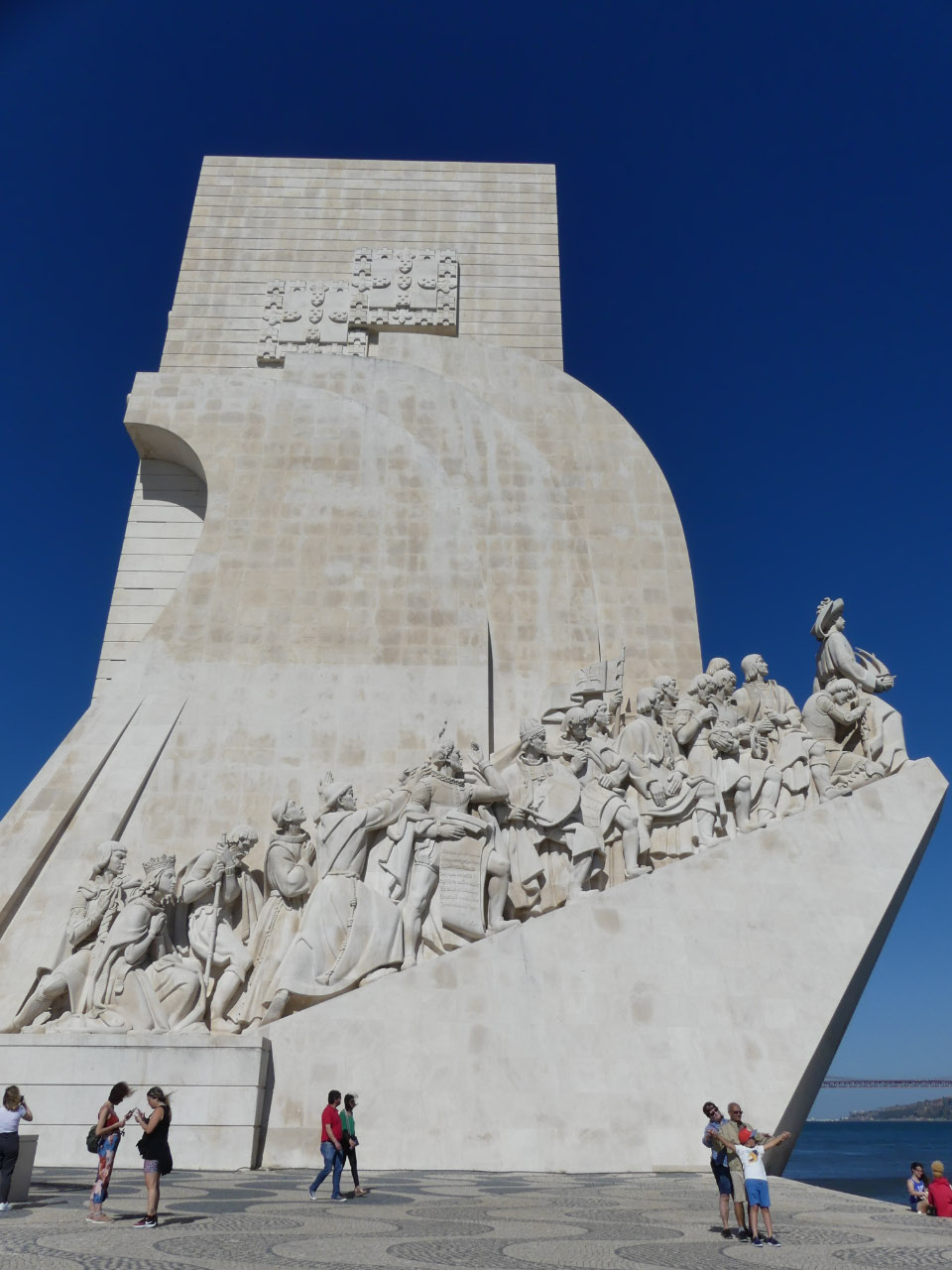
A temporary monument was conceived for the Portuguese World Exhibition opening in June 1940. Some 20 years later, in 1960, a more permanent monument was constructed to commemorate 500 years since Prince Henry the navigator commenced his exploration of the world. The monument represents many of Portuguese famous navigators, including Vasco de Gama who discovered the route to the the East Indies around the Cape of Good Hope.
We finished our 14 day tour of Portugal with a wonderful steak meal at a local restaurant Ortónimo.
Our next stop was Granada where two young cousins would meet for the very first time.